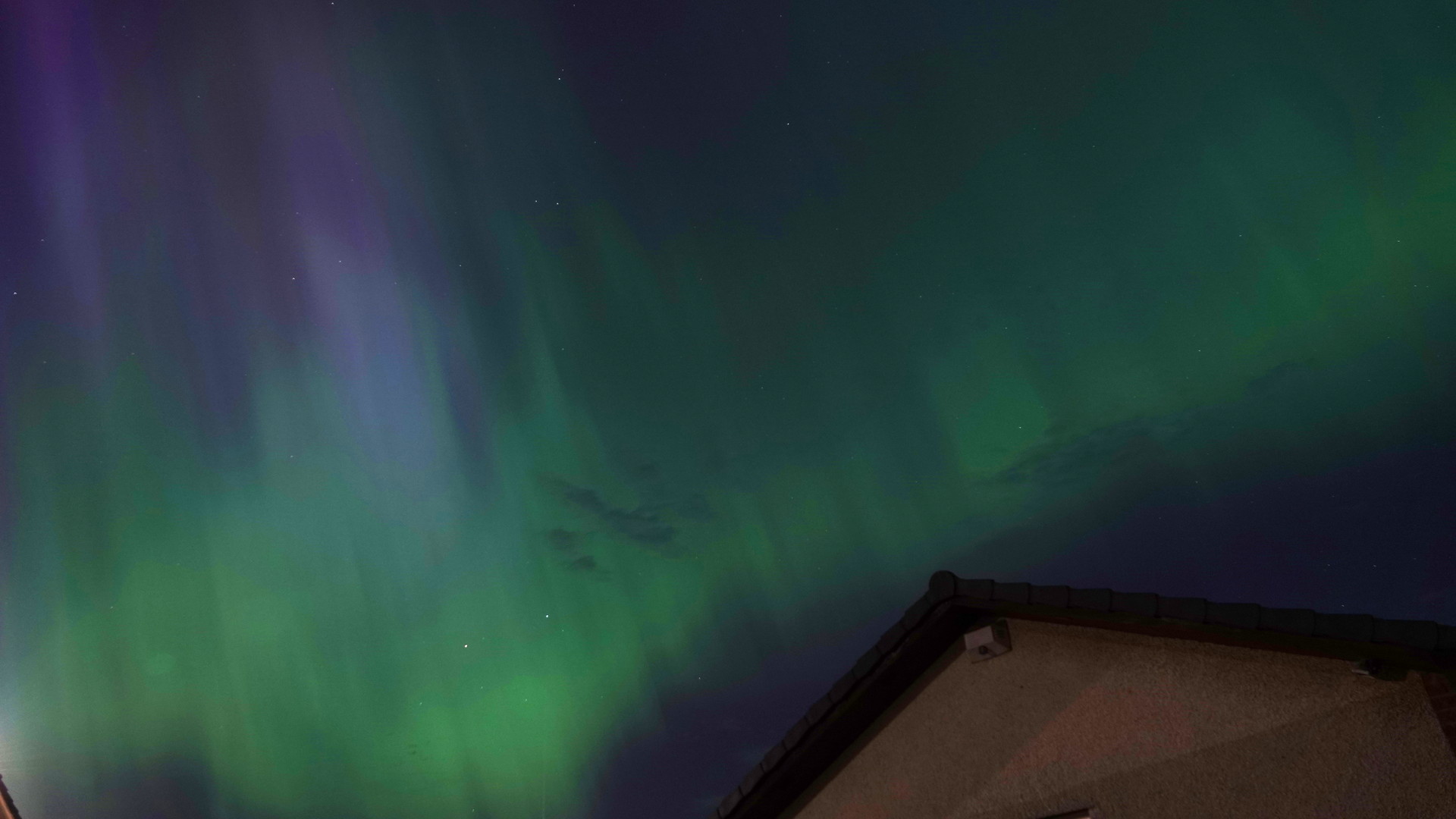
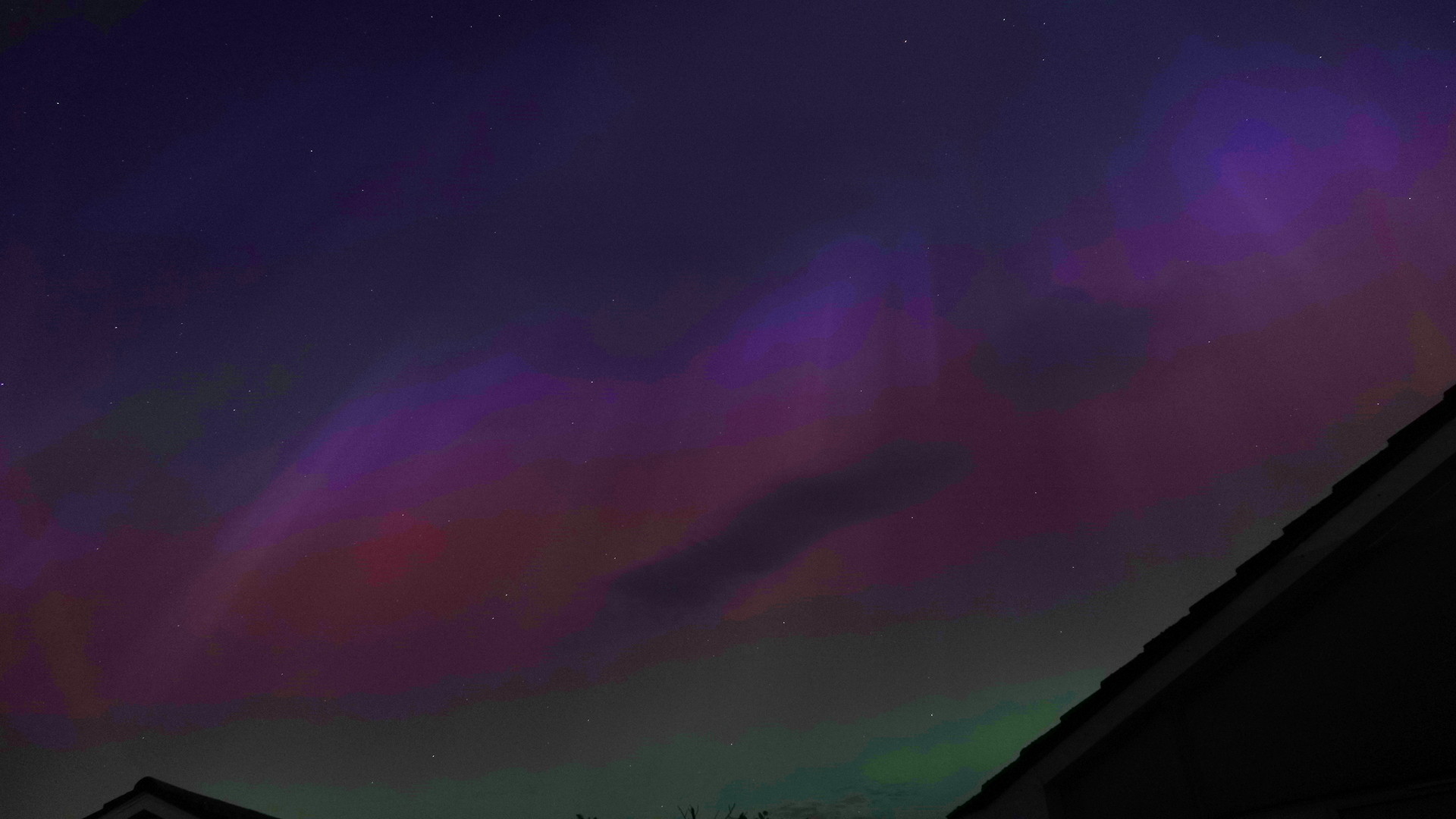
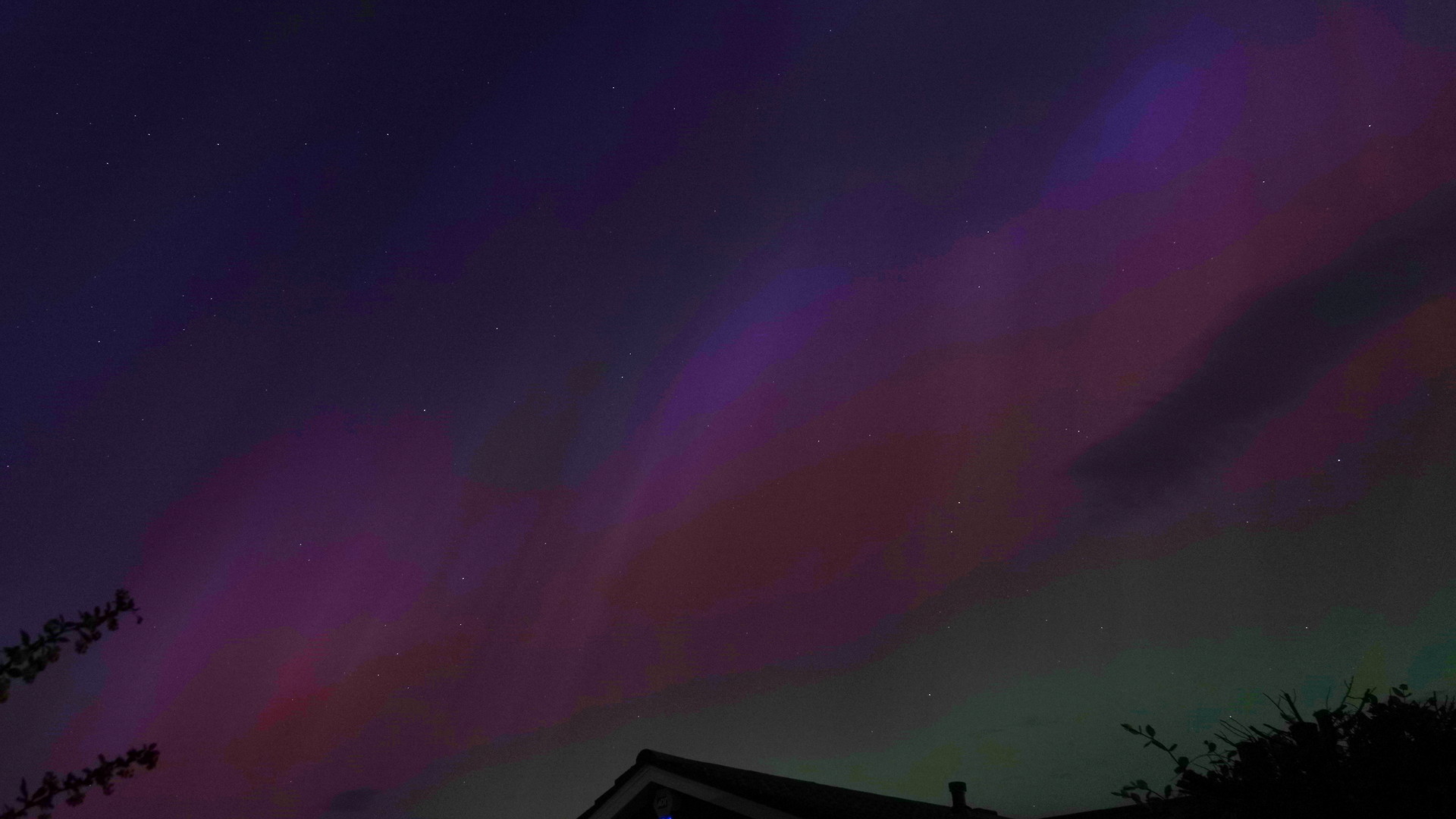
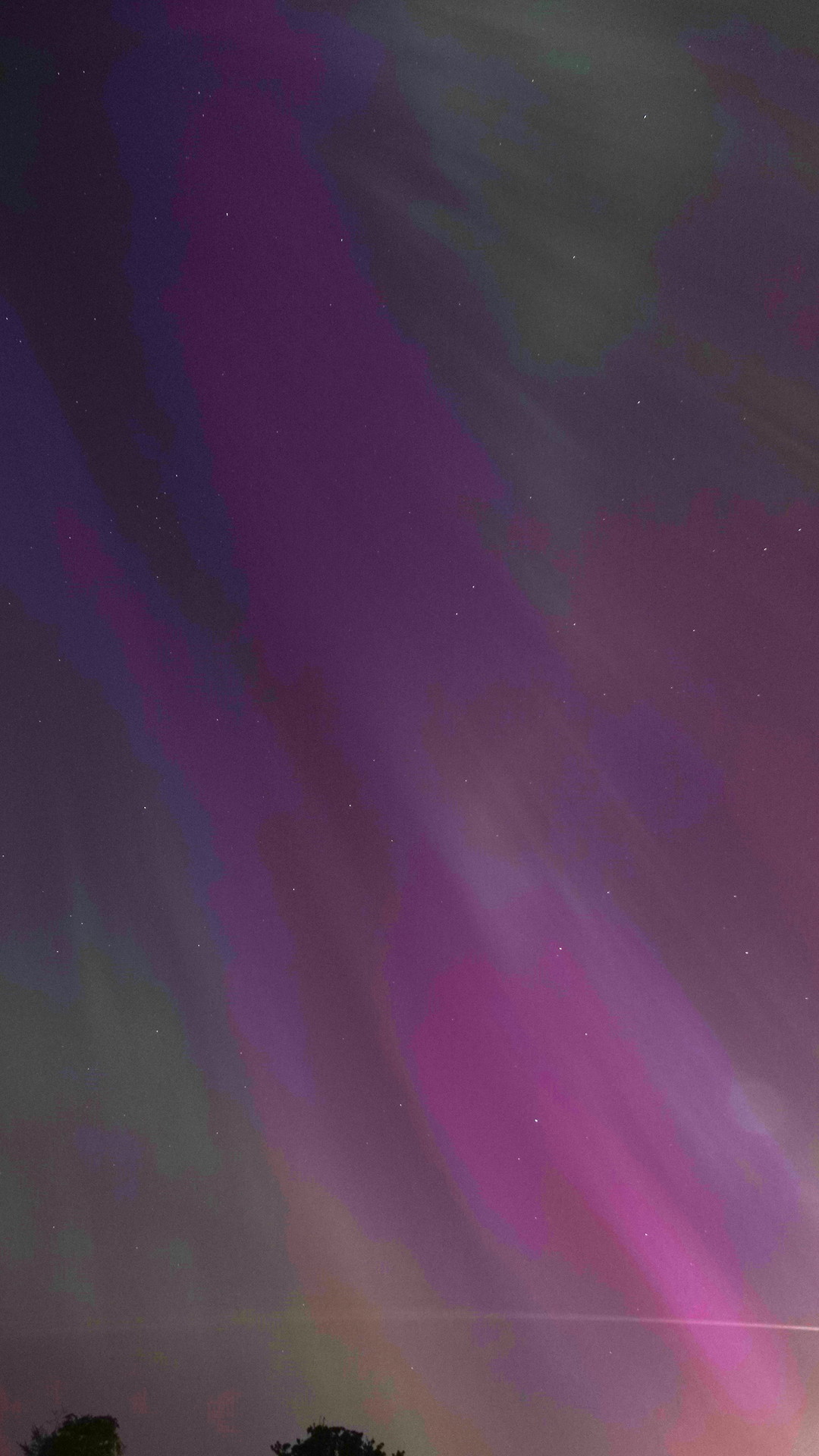
#Aurora photos from my husband a couple of hours ago, outside our home in #Dundee, #Scotland. #AuroraBorealis #NorthernLights #Tayside #Angus #Scotland #Astronomy #Space
Edited 2y ago
#Aurora photos from my husband a couple of hours ago, outside our home in #Dundee, #Scotland. #AuroraBorealis #NorthernLights #Tayside #Angus #Scotland #Astronomy #Space
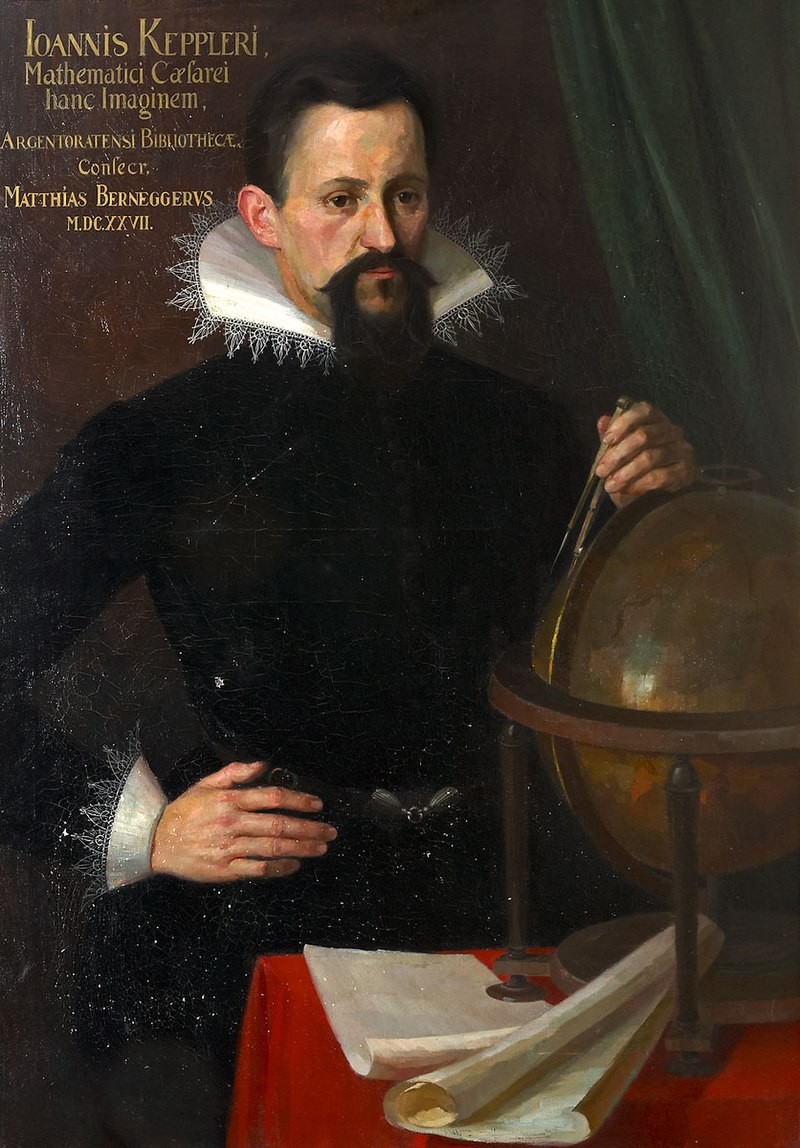
#OTD in 1618.
Johannes Kepler confirms his previously rejected discovery of the third law of planetary motion (he first discovered it on March 8 but soon rejected the idea after some initial calculations were made).
The elliptical orbits of planets were indicated by calculations of the orbit of Mars. The third law expresses that the farther a planet is from the Sun, the slower its orbital speed, and vice versa.
https://en.wikipedia.org/wiki/Kepler%27s_laws_of_planetary_motion
#OTD in 1902.
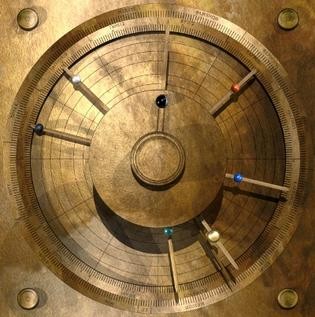
Greek archaeologist Valerios Stais discovers the Antikythera mechanism, an ancient mechanical analog computer.
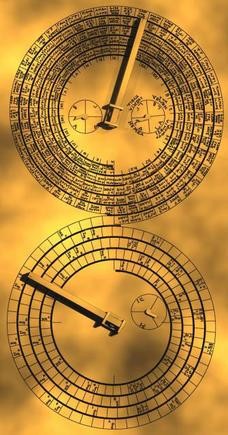
The mechanism is composed of at least 30 bronze gears housed in a wooden frame. It features dials, pointers, and inscriptions that correspond to various astronomical cycles. The front dial is believed to show the zodiac and the solar and lunar calendars, while the back dials include the Metonic, Saros & Callippic cycles.
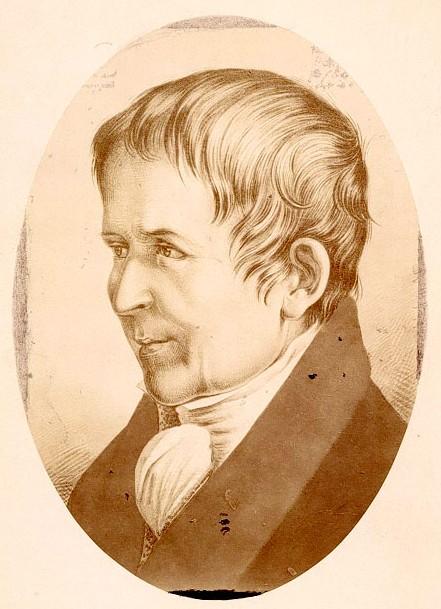
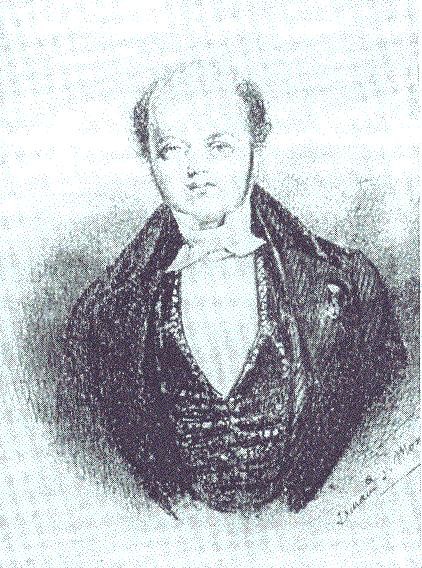
French astronomer Benjamin Valz was born #OTD in 1787.
He had a particular interest in comets, his observations including that of Biela’s Comet made in 1846 in which he noted that the comet had split into two parts. He is also remembered for his suggestion that observed irregularities in the orbit of Halley’s Comet may have been due to the gravitational effects of an as-yet unknown planet orbiting the Sun beyond Uranus which was at a time prior to the discovery of Neptune.
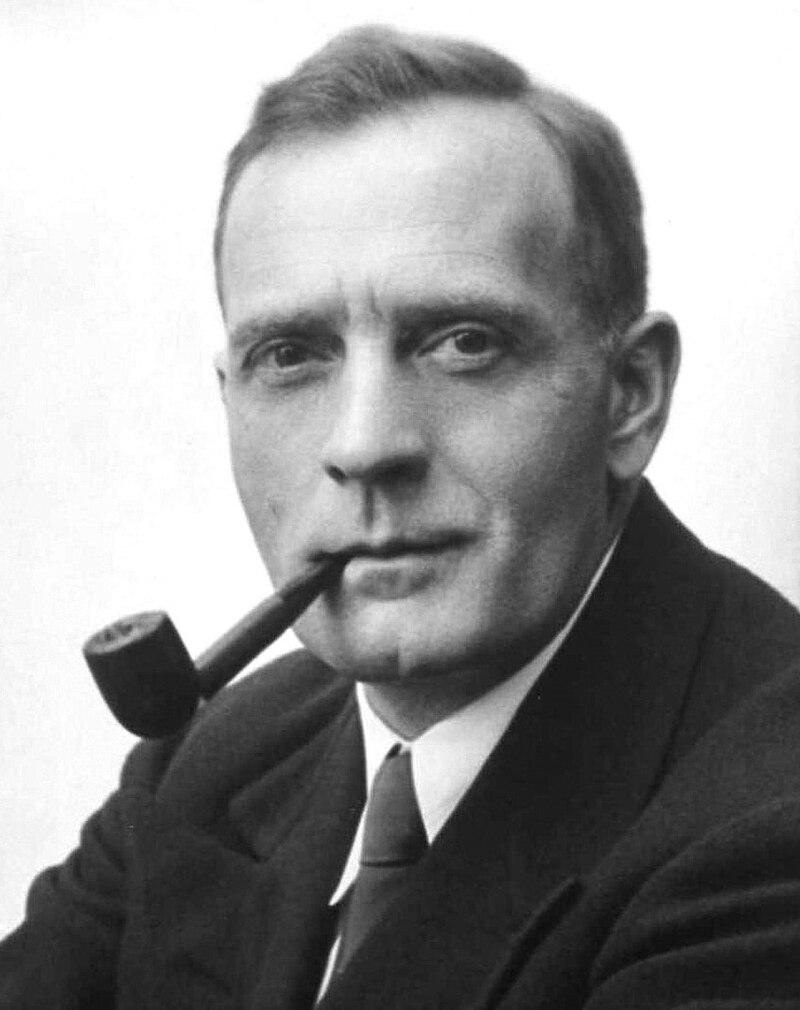
Who Is the Man Who Discovered the Universe?
A century ago, Edwin Hubble began the race to the edge of the cosmos
by Damond Benningfield
Edwin Hubble at PG:
https://www.gutenberg.org/ebooks/author/54776
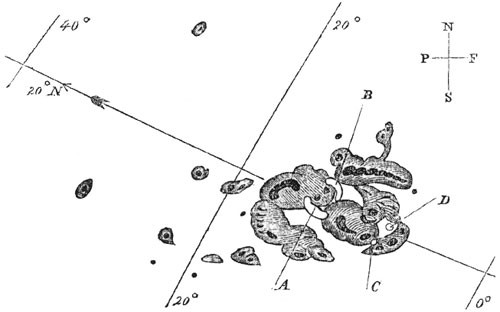
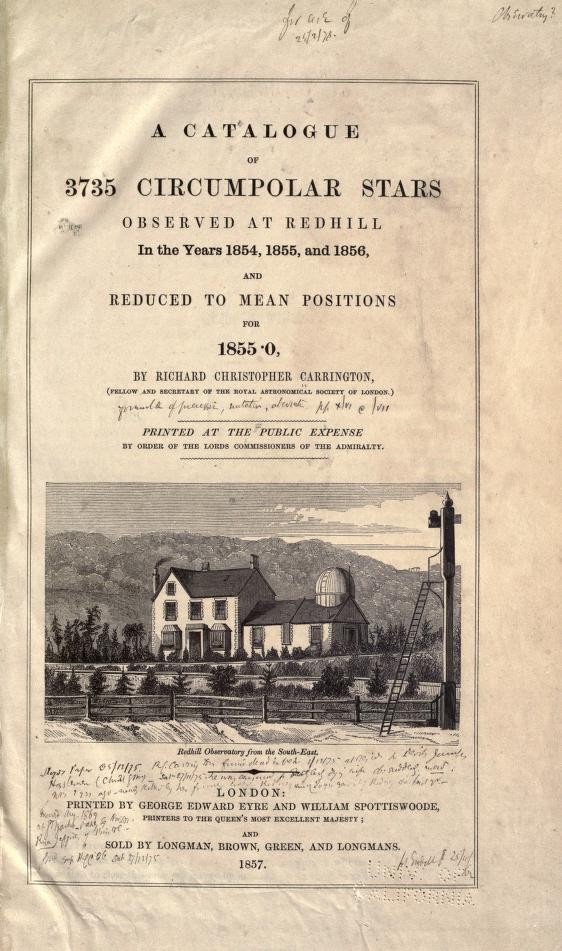
English amateur astronomer Richard Christopher Carrington was born #OTD in 1826.
In 1859 his astronomical observations demonstrated the existence of solar flares as well as suggesting their electrical influence upon the Earth & its aurorae; and whose 1863 records of sunspot observations revealed the differential rotation of the Sun. His publications include Results of Astronomical Observations Made at the Observatory of the University, Durham; & Observations of the Spots on the Sun.
#OTD in 1919.
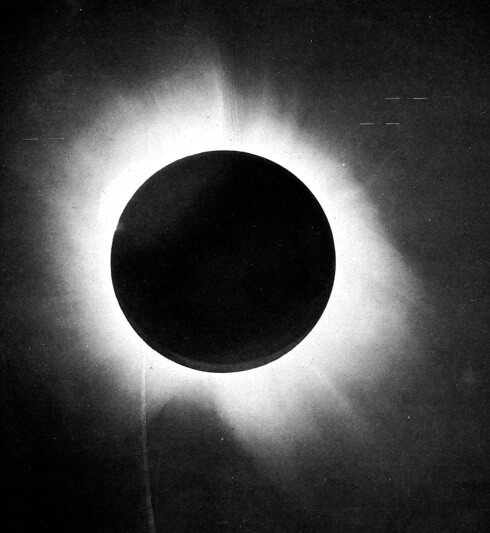
Albert Einstein's theory of general relativity is tested by Arthur Eddington and Andrew Claude de la Cherois Crommelin.
The Eddington experiment was organised by the astronomers Frank Watson Dyson & Arthur Stanley Eddington in 1919. The observations were of the total solar eclipse of 29 May 1919 and were carried out by two expeditions which aim was to measure the gravitational deflection of starlight passing near the Sun.
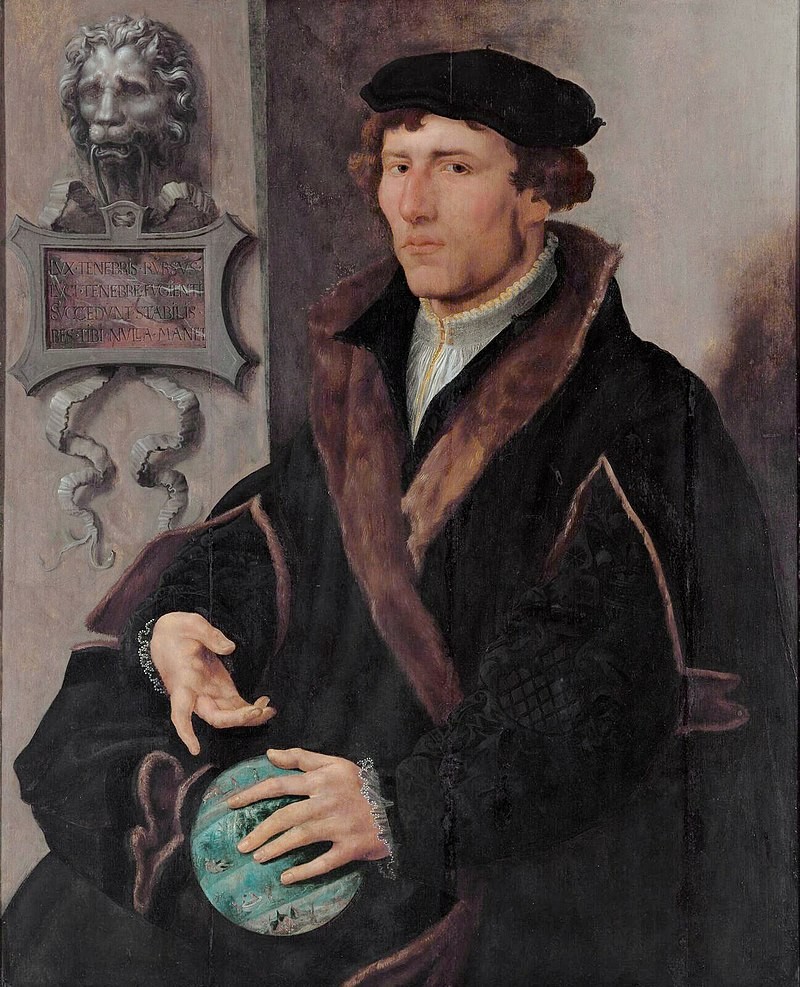
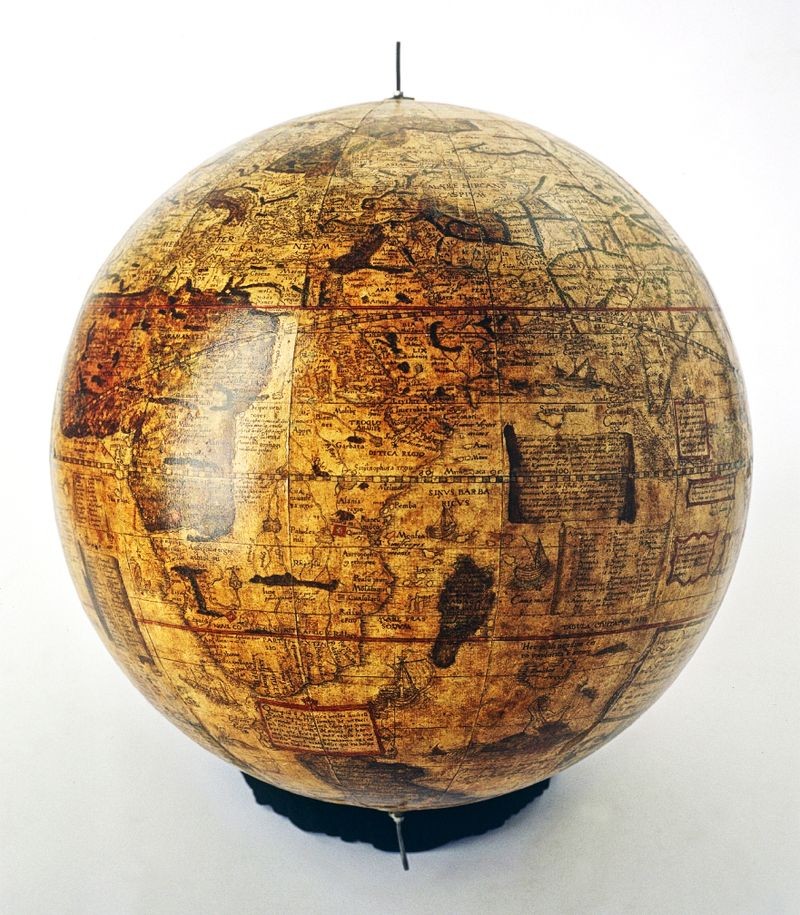
Dutch physician, mathematician, cartographer Gemma Frisius was born #OTD in 1555.
He created important globes, improved the mathematical instruments of his day and applied mathematics in new ways to surveying and navigation. Gemma's rings, an astronomical instrument, are named after him. He observed the total lunar eclipse of 3 Mar 1569 and he also discovered the 1572 supernova in Cassiopeia on 9 Nov, which he observed two days before Tycho Brahe.
My name is Vitalia Ann Conners, and my pronouns are she/her.
I am graduating from Rochester Institute of Technology with a BS in #Physics. I have conducted #research in #PulsarTiming for detection of #GravitationalWaves, and I am currently completing my capstone project in #curriculum and interest analysis for introductory-level #astronomy courses. I have successfully completed courses in Extragalactic Astrophysics & Cosmology, General Relativity, and Observational Astronomy.
French science writer Amédée Guillemin was born #OTD in 1826.
Guillemin presently started writing books of physics and astronomy which became very popular. He wrote "The Sky" and "The Physical World" (5 vols.). He also wrote a series of booklets about astronomy and physics under the title "Small popular encyclopaedia", a scientifically sound but accessible collection about sciences and their applications.
Books by Amédée Guillemin at PG:
https://www.gutenberg.org/ebooks/author/9614
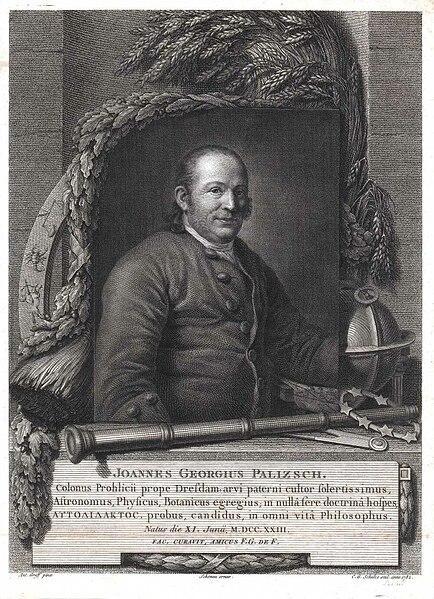
German astronomer Johann Georg Palitzsch was born #OTD in 1723.
On December 25, 1758, Palitzsch became the first person to observe the return of Halley's Comet, confirming Halley's prediction, which was based on his calculations of the comet's orbit and its previous appearances. This was a significant milestone in the field of astronomy, providing strong evidence for the accuracy of Newtonian mechanics and the predictability of cometary orbits.
Earth has a new friend, it turns out. Astronomers have discovered a peculiar “moon” shadowing our planet as it moves through space. Read more from @sciencefocus:
Italian mathematician, astronomer and engineer Giovanni Domenico Cassini was born #OTD in 1625.
His observations & calculations helped to confirm & refine Kepler’s laws of planetary motion. He formulated Cassini’s Law, describing the rotational behavior of the Moon, which was crucial for understanding the Moon's synchronous rotation with the Earth. He was involved in measuring the meridian arc of Paris, contributing to the accurate determination of the shape of the Earth.
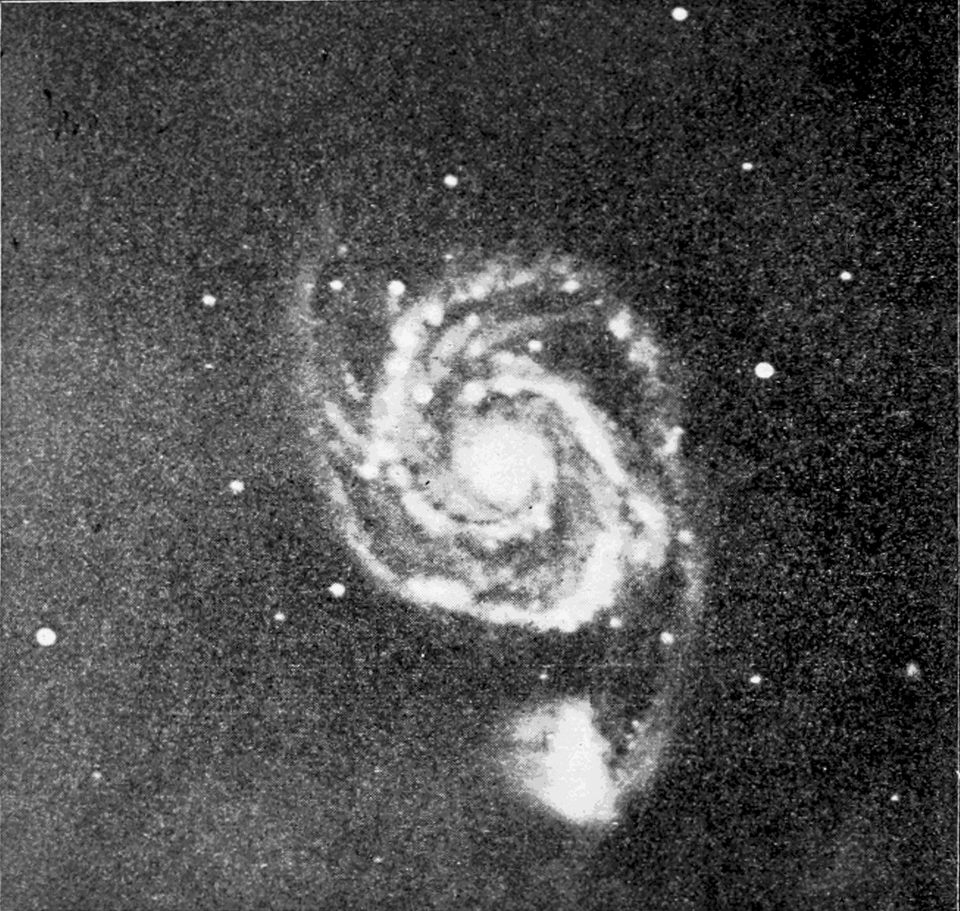
The Hidden Aesthetics of Early Astrophotography
Behind the transformative star photographs of the 1880s lay a complex collaboration between astronomers and engravers.
By: Danny Robb
https://daily.jstor.org/the-hidden-aesthetics-of-early-astrophotography/
Astronomy at PG:
https://www.gutenberg.org/ebooks/bookshelf/101
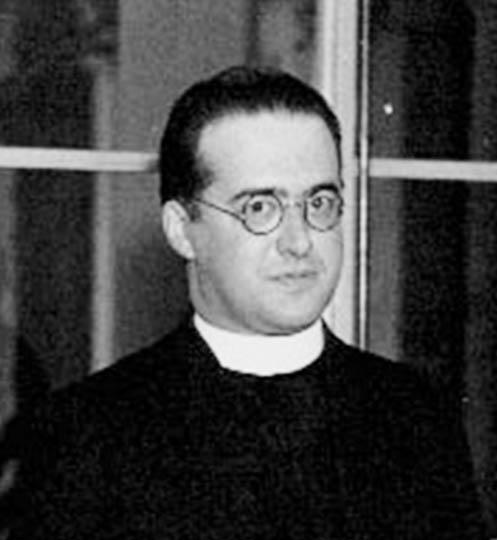
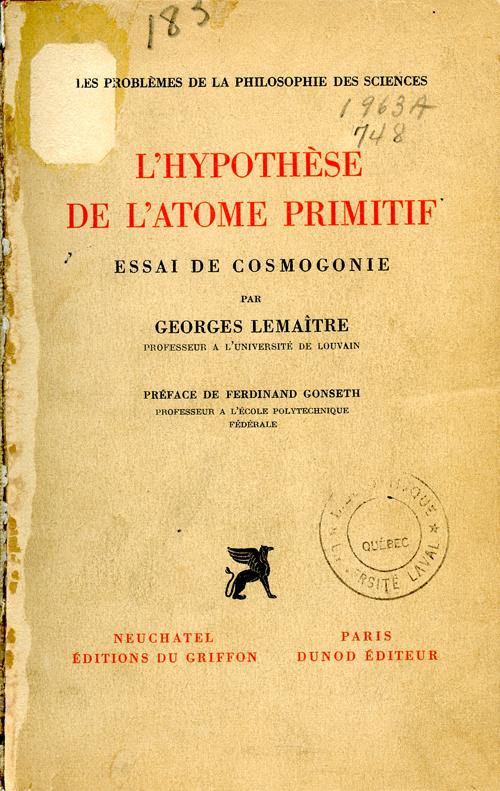
Belgian physicist, mathematician, astronomer Georges Lemaître died #OTD in 1966.
He was the 1st to theorize that the recession of nearby galaxies can be explained by an expanding universe, which was observationally confirmed soon afterwards by Hubble. He 1st derived the Hubble–Lemaître law. He also proposed the "Big Bang theory" of the origin of the universe, calling it the "hypothesis of the primeval atom", and later calling it "the beginning of the world".
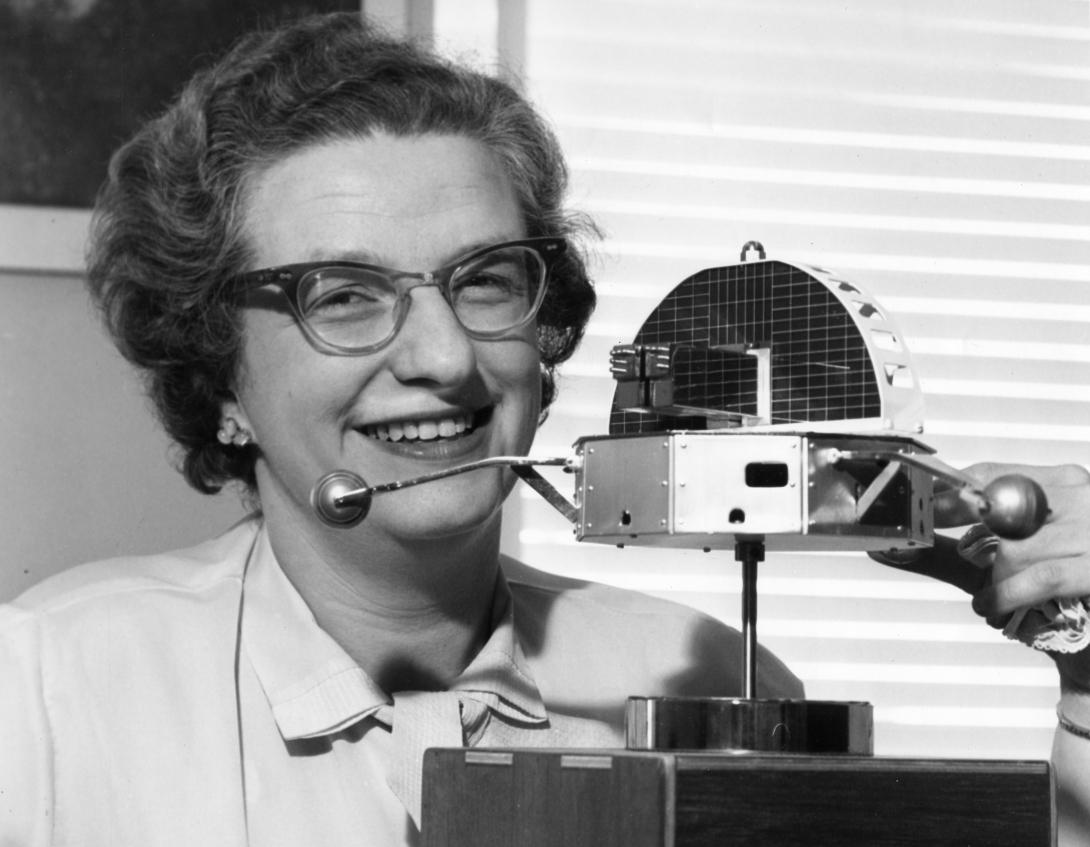
Nancy Grace Roman and Early Space Telescopes.
In this blog post we give you a sneak-peak at a selection of archival materials related to early space telescopes and women in science from the Nancy Grace Roman Papers held at NBLA.
By Karina Cooper, Librarian via @AIP_HQ
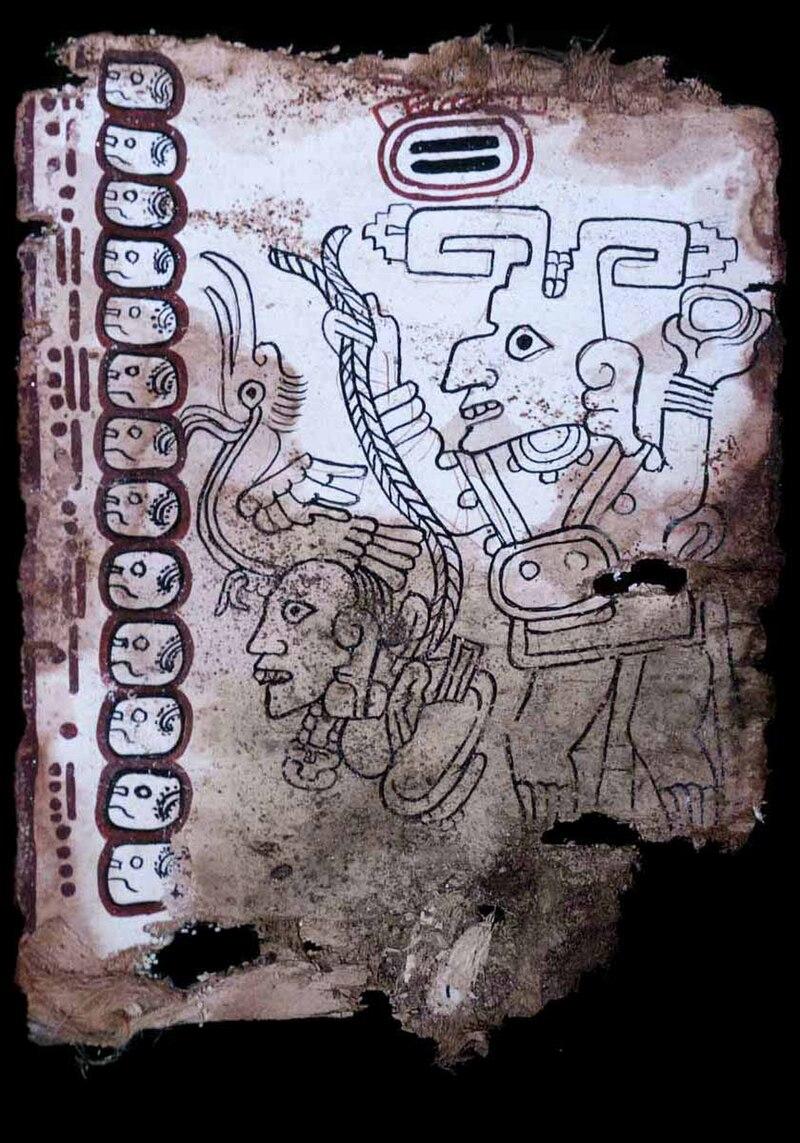
The Americas’ oldest book is an intricate work of Maya astronomy
Created in the 11th or 12th century, the Códice Maya de México (the Maya Codex of Mexico) is the oldest of these works and the only one to predate the arrival of the conquistadors in the 16th century.
https://aeon.co/videos/the-americas-oldest-book-is-an-intricate-work-of-maya-astronomy
#OTD in 1054.
Chinese astronomers recorded the sudden appearance of a "guest star", later identified as the supernova that created the Crab Nebula (SN 1054).
Modern understanding that the Crab Nebula was created by a supernova traces back to 1921, when Carl Otto Lampland announced he had seen changes in the nebula's structure.
https://en.wikipedia.org/wiki/SN_1054
https://en.wikipedia.org/wiki/Crab_Nebula
Crab Nebula images by the Hubble Space Telescope:
https://esahubble.org/images/?search=crab+nebula
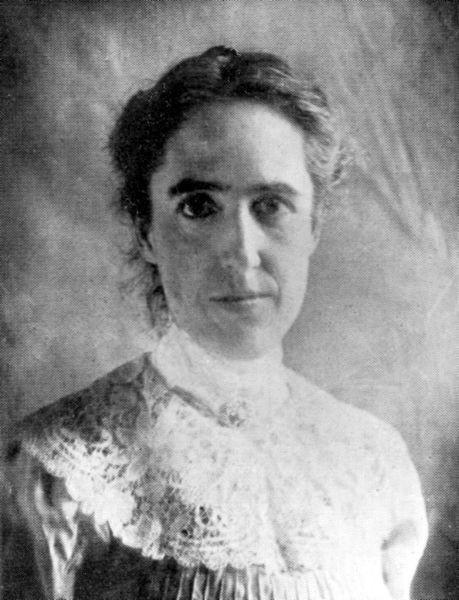
Happy birthday to the American astronomer Henrietta Swan Leavitt who was born #OTD in 1868.
She became a member of the ‘Harvard Computers’, a group of women hired by Harvard Observatory director Edward C. Pickering to process astronomical data. Leavitt is best known for her discovery of the relationship between period and luminosity in Cepheid variables, pulsating stars that vary regularly in brightness in periods ranging from a few days to several months. via soc.hist.astron.
There are far too many speculations and wild guesses news about 3I/ATLAS, it is not easy to find one that is reliable.Except thiswww.livescience.com/space/comets...#Astronomy
Astronomer reveals first look ...
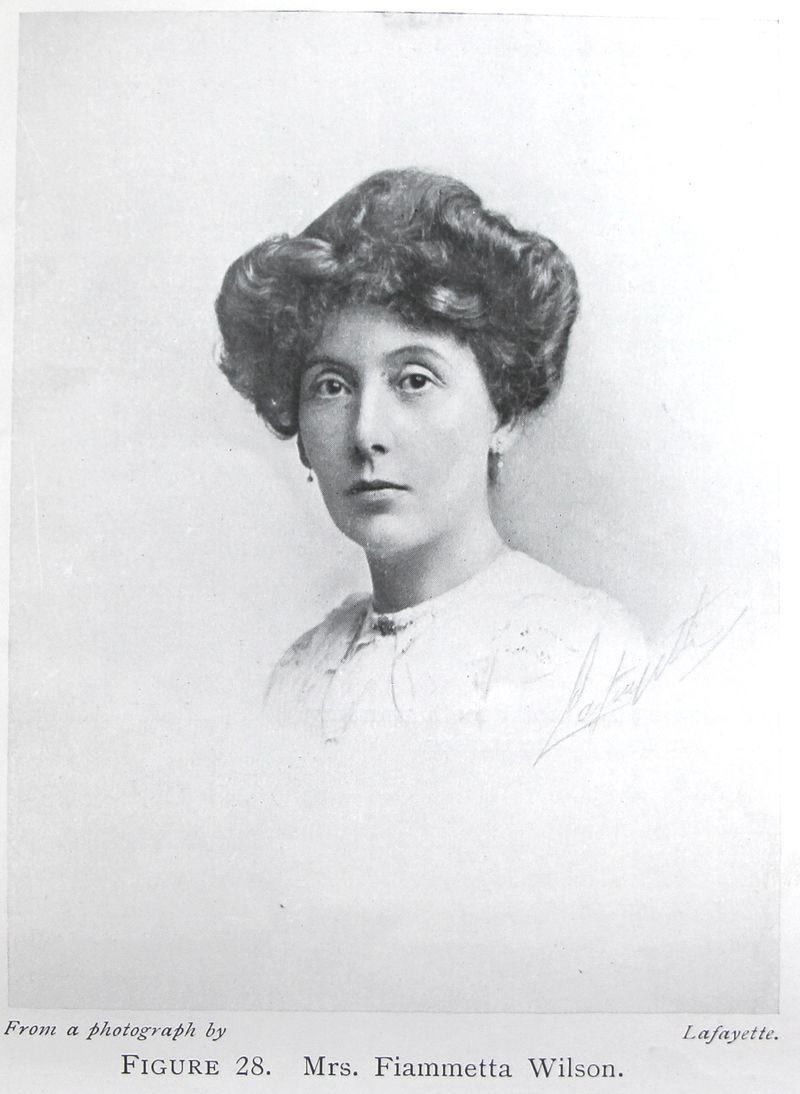
Bristish astronomer Fiammetta Wilson was born #OTD in 1864.
Wilson is best known for her work as an amateur astronomer focusing on meteor observation. She meticulously recorded and analyzed meteor showers, contributing valuable data to the field. She became one of the first women to be elected as a Fellow of the Royal Astronomical Society in 1916. Between the years 1910-20, she observed about 10,000 meteors and accurately calculated the paths of 650 of them.
#OTD in 1801.
French astronomer Jean-Louis Pons makes his first comet discovery, jointly attributed to Charles Messier. In the next 27 years he discovers another 36 comets, more than any other person in history.
He appears to have used telescopes and lenses of his own design; his "Grand Chercheur" ("Great Seeker") seems to have been an instrument with large aperture and short focal length, similar to a "comet seeker".
#OTD in 1995.
Hale–Bopp, one of the most widely observed comets of the 20th century, was independently discovered by astronomers Alan Hale and Thomas Bopp, before it became visible to the naked eye.
It was visible to the naked eye for a record 18 months, due to its massive nucleus size. This is twice as long as the Great Comet of 1811, the previous record holder. Accordingly, Hale–Bopp was dubbed the great comet of 1997.
Happy Birthday, Maria Mitchell!
Total eclipse of the sun, partial eclipse of inequality.
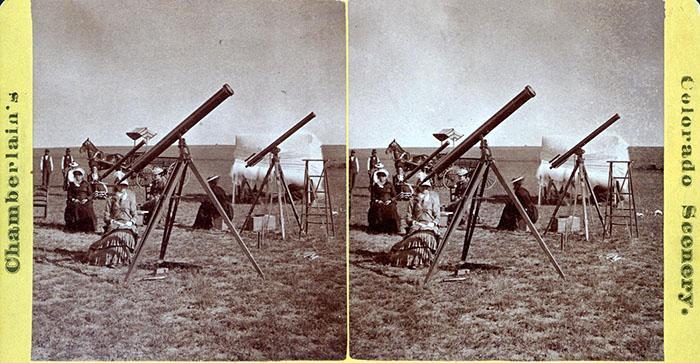
"It was now quick work," Maria Mitchell noted. "As the last rays of sunlight disappeared, the corona burst out all around the sun, so intensely bright near the sun that the eye could scarcely bear it." Maria Mitchell brought a team of Vassar graduates—"Vassar girls" as the press called them—2,000 miles to study the July 1878 total eclipse of the sun.
https://americanhistory.si.edu/explore/stories/total-eclipse-sun-partial-eclipse-inequality
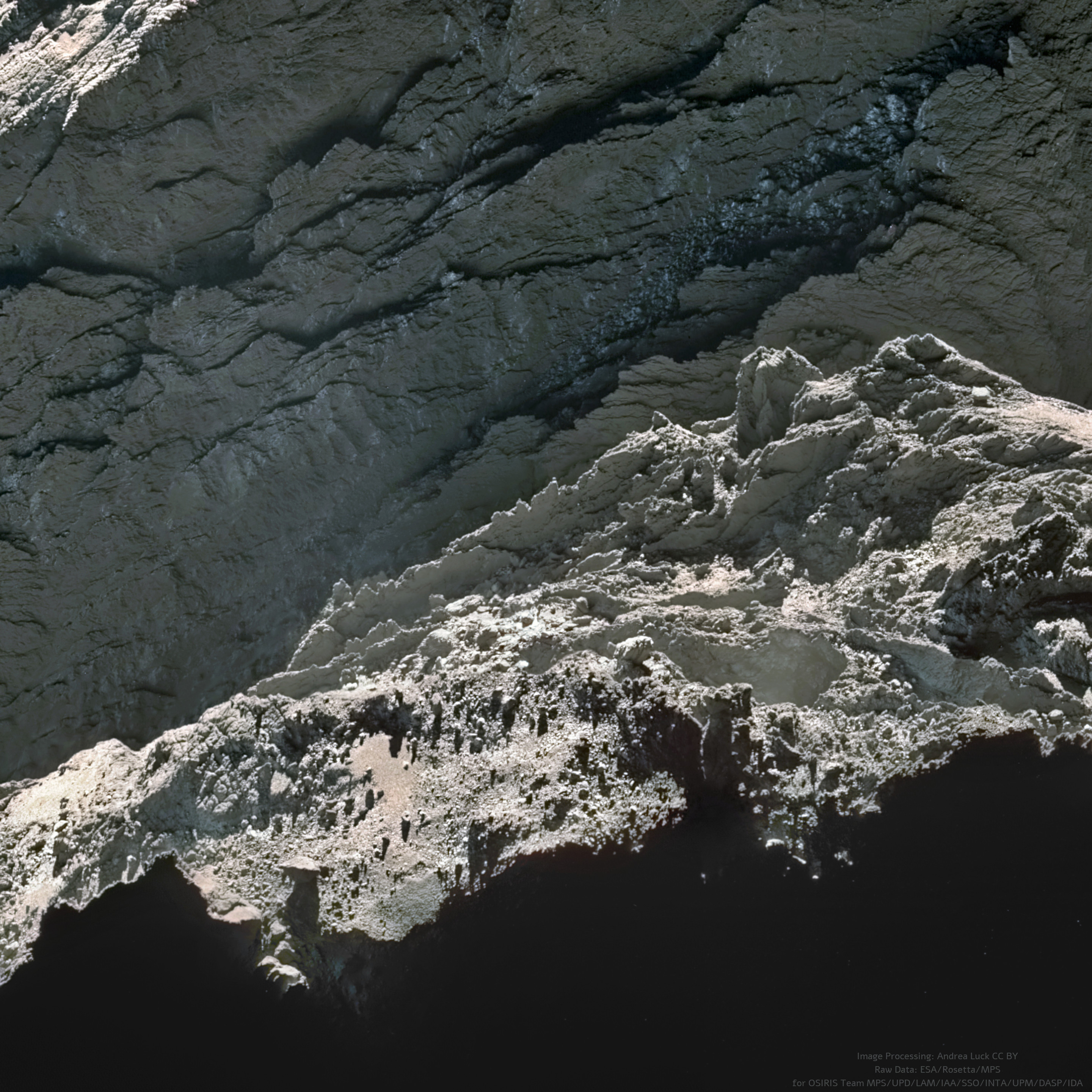
Close up image and animation of Comet67P
Full size image 3000x3000: https://flic.kr/p/2q5WmRH
Video: https://flic.kr/p/2q648Ym
ESA Rosetta Orbiter
Instrument: OSIRIS Narrow Angle Camera
Target: 67P/CHURYUMOV-GERASIMENKO
Altitude: 28 km
Time: 2016-04-23
Filters Near IR + Orange + Blue
Product IDs & more info on Flickr.
Raw image 1/3: https://rosetta-osiris.eu/image/NAC_2016-04-23T06.06.10.011
Credit:
Processing: Andrea Luck CC BY
Raw data: ESA/Rosetta/MPS/OSIRIS/IAA/INTA


![The guest star reported by Chinese astronomers in 1054 is identified as SN 1054. The highlighted passages refer to the supernova.
A 'guest star' identified as the supernova of 1054 in the pages of the Lidai mingchen zouyi (歷代名臣奏議), which dates to 1414. The highlighted passages refer to the supernova. Transcription: 宋仁宗至和二年。侍御史趙抃上言曰。臣伏見自去年五月巳来。妖星遂見。僅及周稔。至今光耀未退。此谷永所謂馳騁驟歩。芒炎長短。所厯奸犯。其為謫變。甚可畏也。⋯⋯ 不然。何以妖星謫變也。 Translation: 2nd year of the Zhihe reign period of Emperor Renzong of Song [1055]; Attendant Censor Zhao Bian submitted a letter saying: "Your servant considers that, since the 5th month of last year [when] the baleful star appeared, a full year has passed and until now its brilliance has not faded [lit. 'retreated']. This is what Gu Yong meant by 'its rapid movement, the variations in the length of its flaming rays, and the [asterisms] on which it has trespassed successively,' as a censorious anomaly it is greatly to be feared." — in: Pankenier 2006, "Notes on translations of the East Asian records relating to the supernova of AD 1054."](/proxy/post_attachment/288404/6901f0f6af.jpg "The guest star reported by Chinese astronomers in 1054 is identified as SN 1054. The highlighted passages refer to the supernova.
A 'guest star' identified as the supernova of 1054 in the pages of the Lidai mingchen zouyi (歷代名臣奏議), which dates to 1414. The highlighted passages refer to the supernova. Transcription: 宋仁宗至和二年。侍御史趙抃上言曰。臣伏見自去年五月巳来。妖星遂見。僅及周稔。至今光耀未退。此谷永所謂馳騁驟歩。芒炎長短。所厯奸犯。其為謫變。甚可畏也。⋯⋯ 不然。何以妖星謫變也。 Translation: 2nd year of the Zhihe reign period of Emperor Renzong of Song [1055]; Attendant Censor Zhao Bian submitted a letter saying: \"Your servant considers that, since the 5th month of last year [when] the baleful star appeared, a full year has passed and until now its brilliance has not faded [lit. 'retreated']. This is what Gu Yong meant by 'its rapid movement, the variations in the length of its flaming rays, and the [asterisms] on which it has trespassed successively,' as a censorious anomaly it is greatly to be feared.\" — in: Pankenier 2006, \"Notes on translations of the East Asian records relating to the supernova of AD 1054.\"")