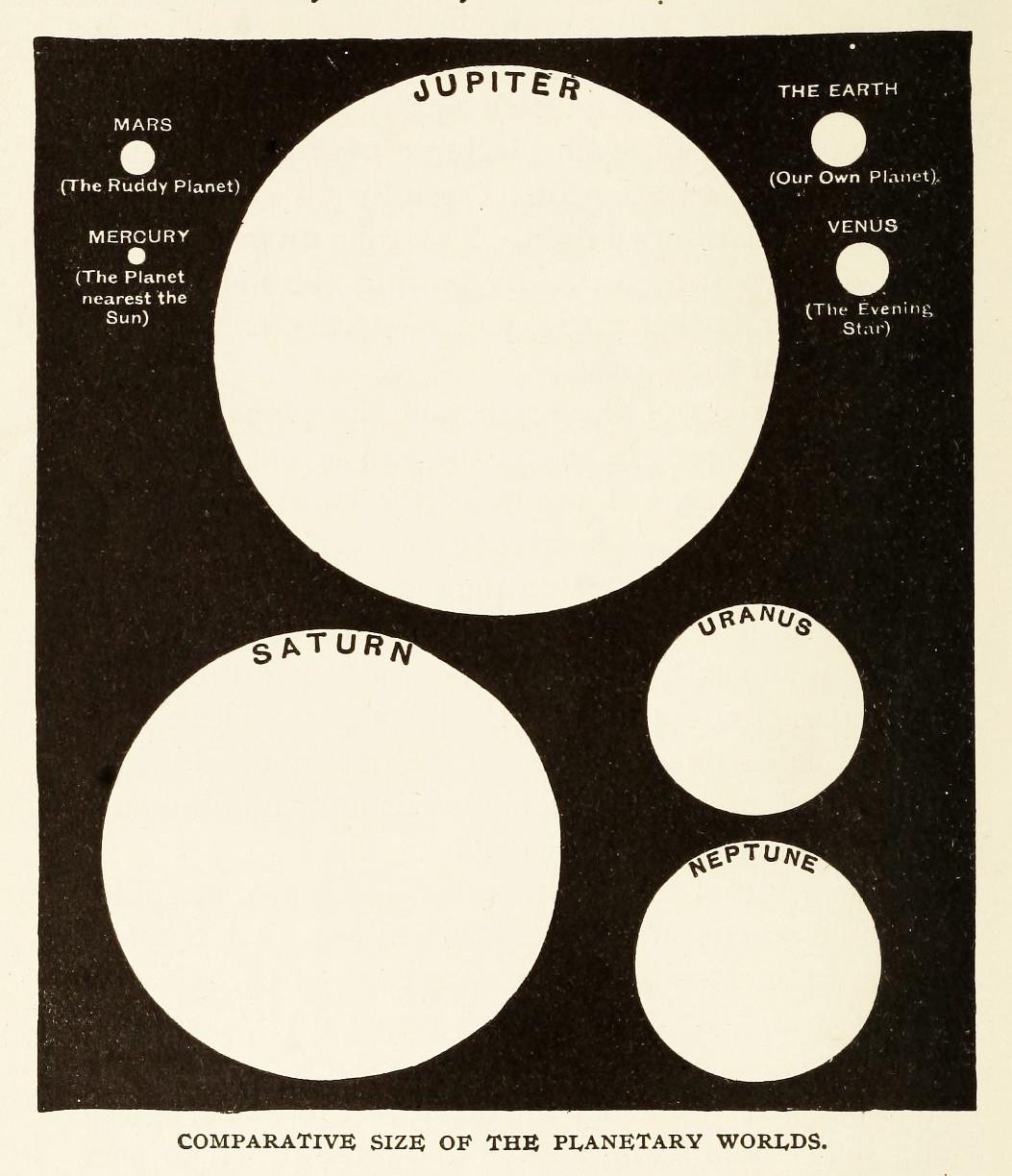
The Six Most Amazing Discoveries We’ve Made About Neptune
By Shi En Kim
The Six Most Amazing Discoveries We’ve Made About Neptune
By Shi En Kim
Epic Dust Storm on Mars!
Full size video (1920x1080): https://flic.kr/p/2qqz3ZU
Full res image (9770x5500): https://flic.kr/p/2qpZ51C
Credits:
Processing: AndreaLuck CC BY
Raw Data: ESA/DLR/FUBerlin
ESA Mars Express HRSC
Vastitas Borealis
Orbit 21940
Frames
1 HL940_0000_S14.IMG Time: 2021-05-12T12:42
2 HL940_0000_ND4.IMG Time: 2021-05-12T12:44
3 HL940_0000_S24.IMG Time: 2021-05-12T12:46
Colours
HL940_0000_RE4.IMG HL940_0000_GR4.IMG
HL940_0000_BL4.IMG
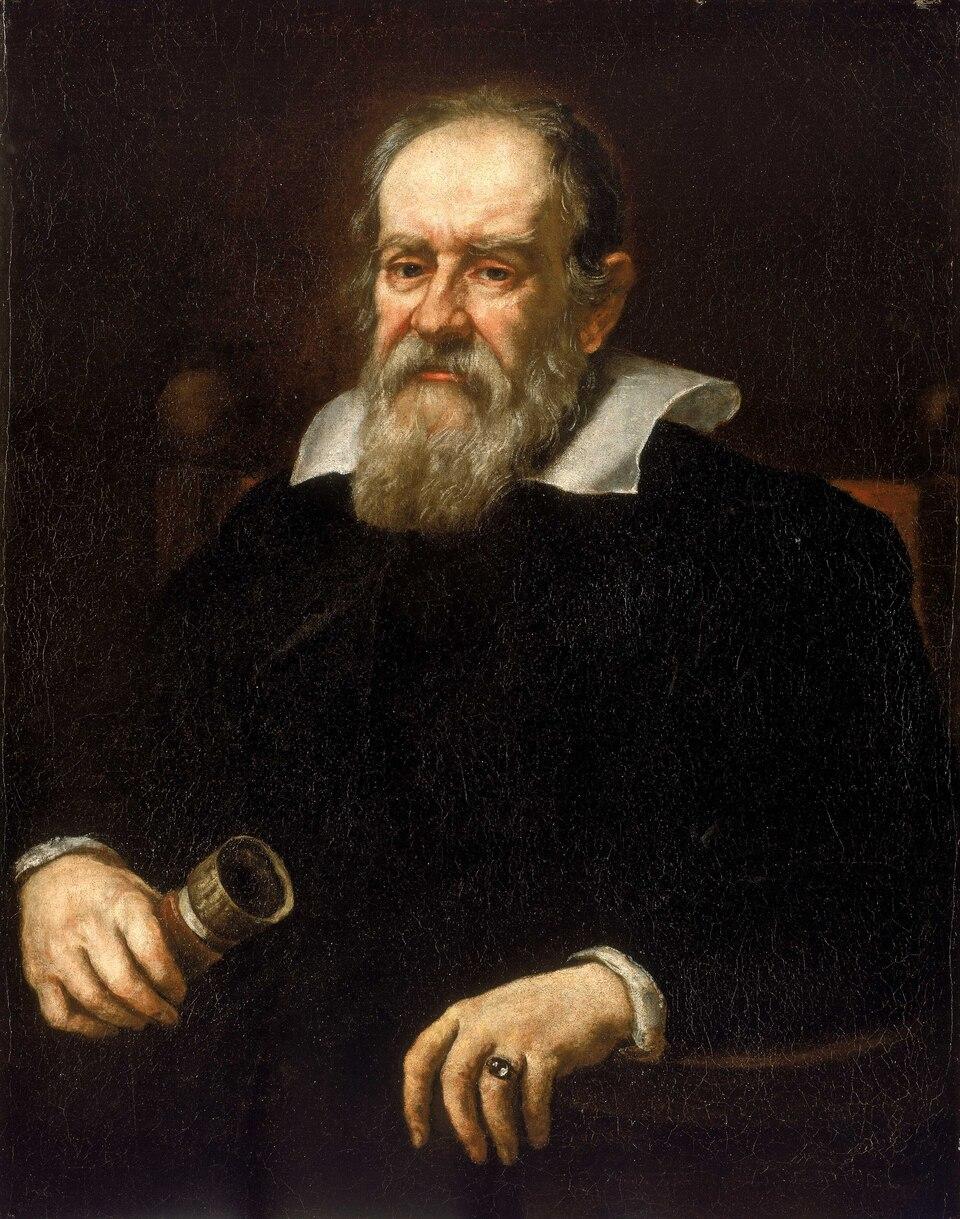
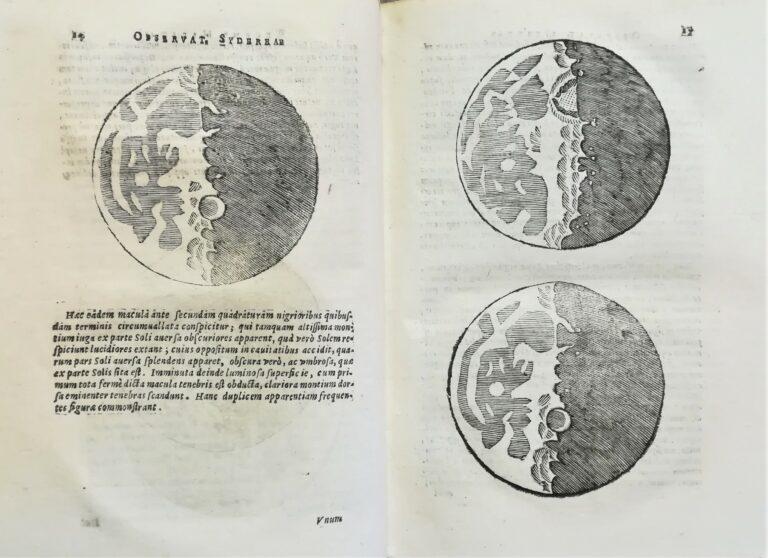
#OTD in 1612 (and 27 January 1613). Galileo Galilei became the first person to observe the planet Neptune, although he mistakenly catalogued it as a fixed star.
Because Neptune was only beginning its yearly retrograde cycle in Dec. 1612, the motion of the planet was far too slight to be detected with Galileo's small telescope.
https://en.wikipedia.org/wiki/Neptune
Neptune at PG:
https://www.gutenberg.org/ebooks/subject/34991
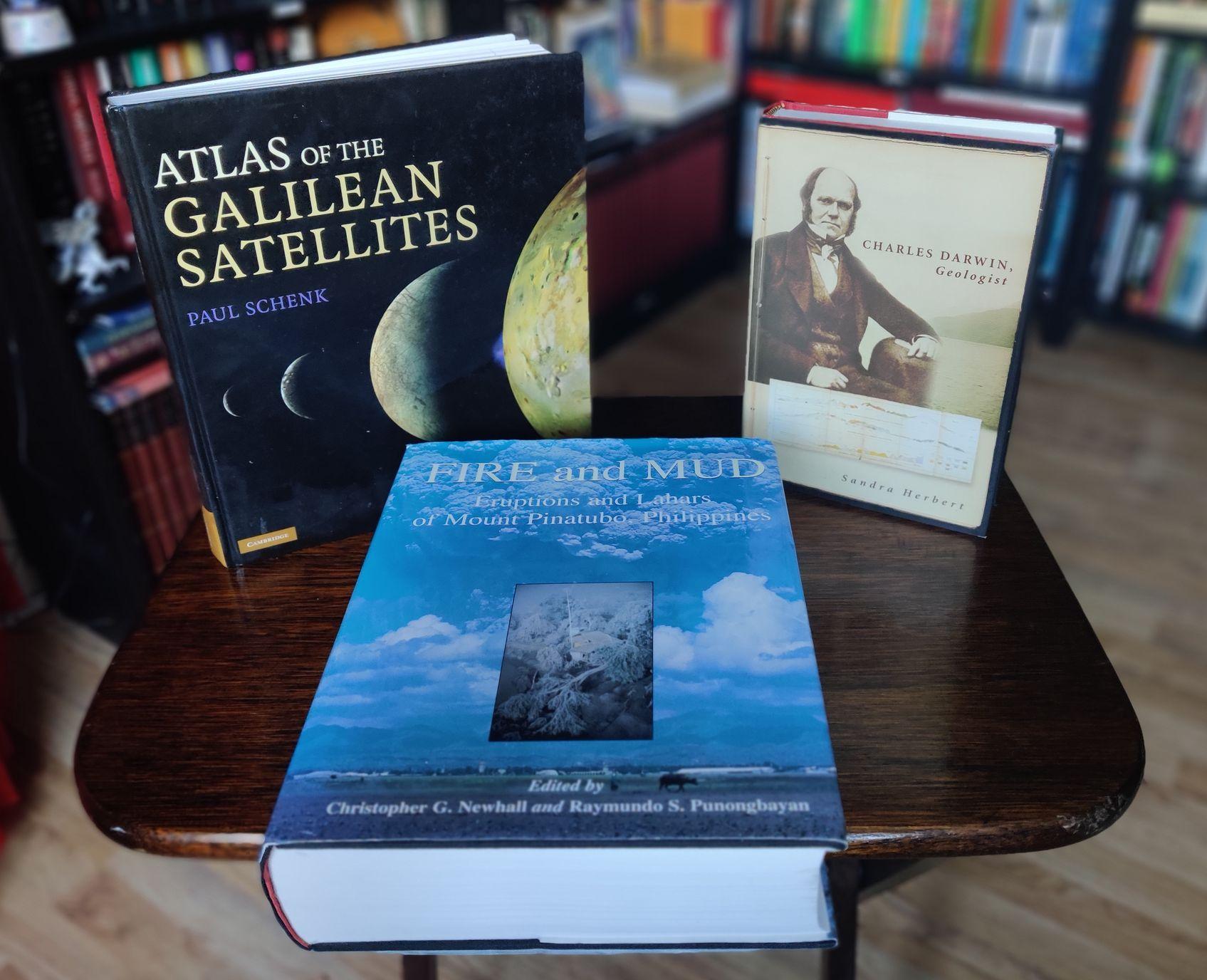
This week's #NewBooks at the library (the last one for 2025!): Three second-hand copies of Atlas of the Galilean Satellites from Cambridge University Press; the absolutely massive Fire and Mud: Eruptions and Lahars of Mount Pinatubo, Philippines from the University of Washington Press; and #CharlesDarwin, Geologist from Cornell University Press which I might well review sometime soon in the new year in light of an upcoming Darwin biography...
#Books #Scicomm #Bookstodon #Astronomy #Cosmology #Volcanoes #Volcanology #Geology #EarthSciences #HistoryOfScience #ScienceHistory #HistSci @bookstodon
The Seven Most Amazing Discoveries We’ve Made About Pluto
Though technically not a planet, it has as rich geology as any of its planetary siblings in the solar system
Are the colours in astronomical images real? What do these colours mean? And what about images that aren't taken in visible light?
We get these questions all the time, so in the latest episode of Chasing Starlight we show you how these colourful images are made:
#OTD in 1924.
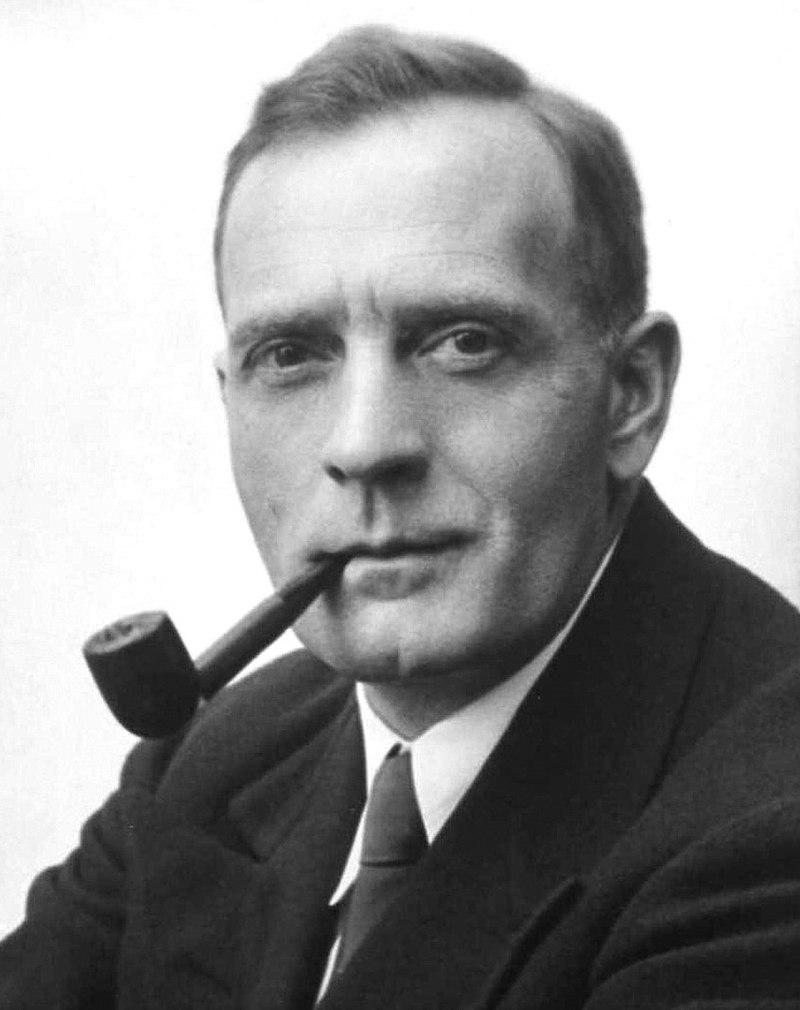
The New York Times published evidence from Edwin Hubble stating that the Andromeda Nebula, previously believed to be part of the Milky Way, is in fact another galaxy.
https://en.wikipedia.org/wiki/Edwin_Hubble
Going to the Moon: Early Cartography of the Lunar Surface
The lunar maps shown in this post were created long before satellite images became available. The topography is highly detailed and the historical backgrounds of the astronomers who created them are compelling.
by: Cynthia Smith (from the archives)
https://blogs.loc.gov/maps/2020/03/going-to-the-moon-early-cartography-of-the-lunar-surface/
Galileo at PG:
https://www.gutenberg.org/ebooks/author/39014
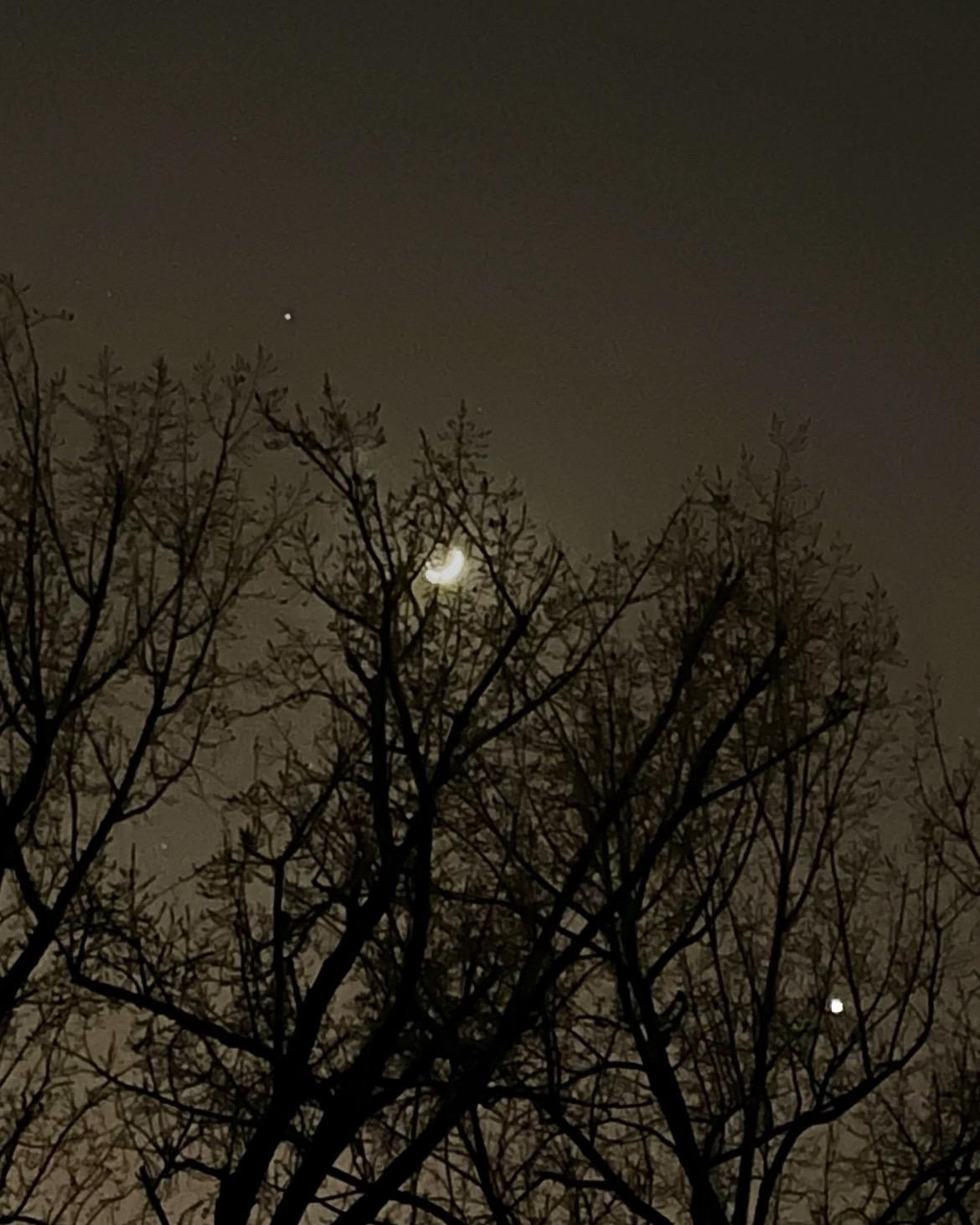
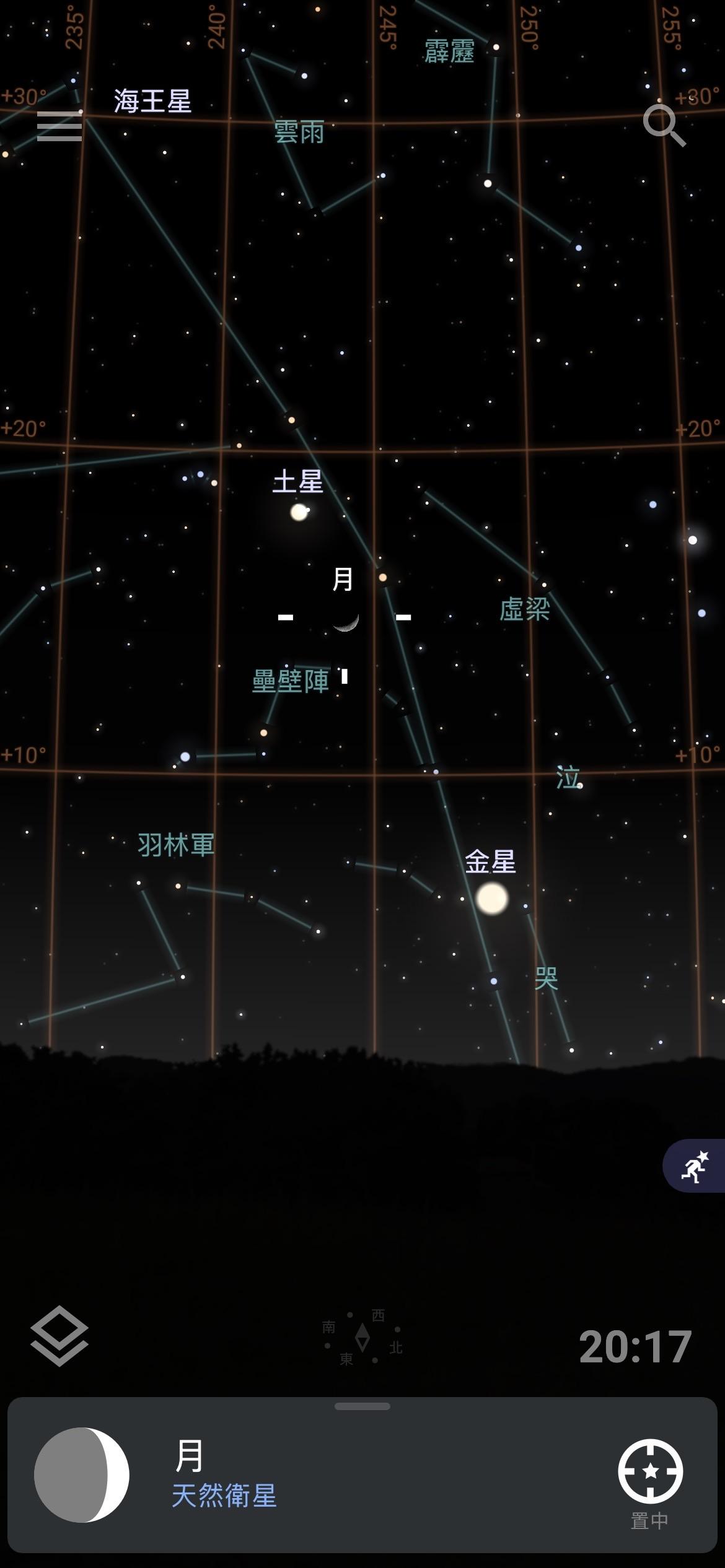
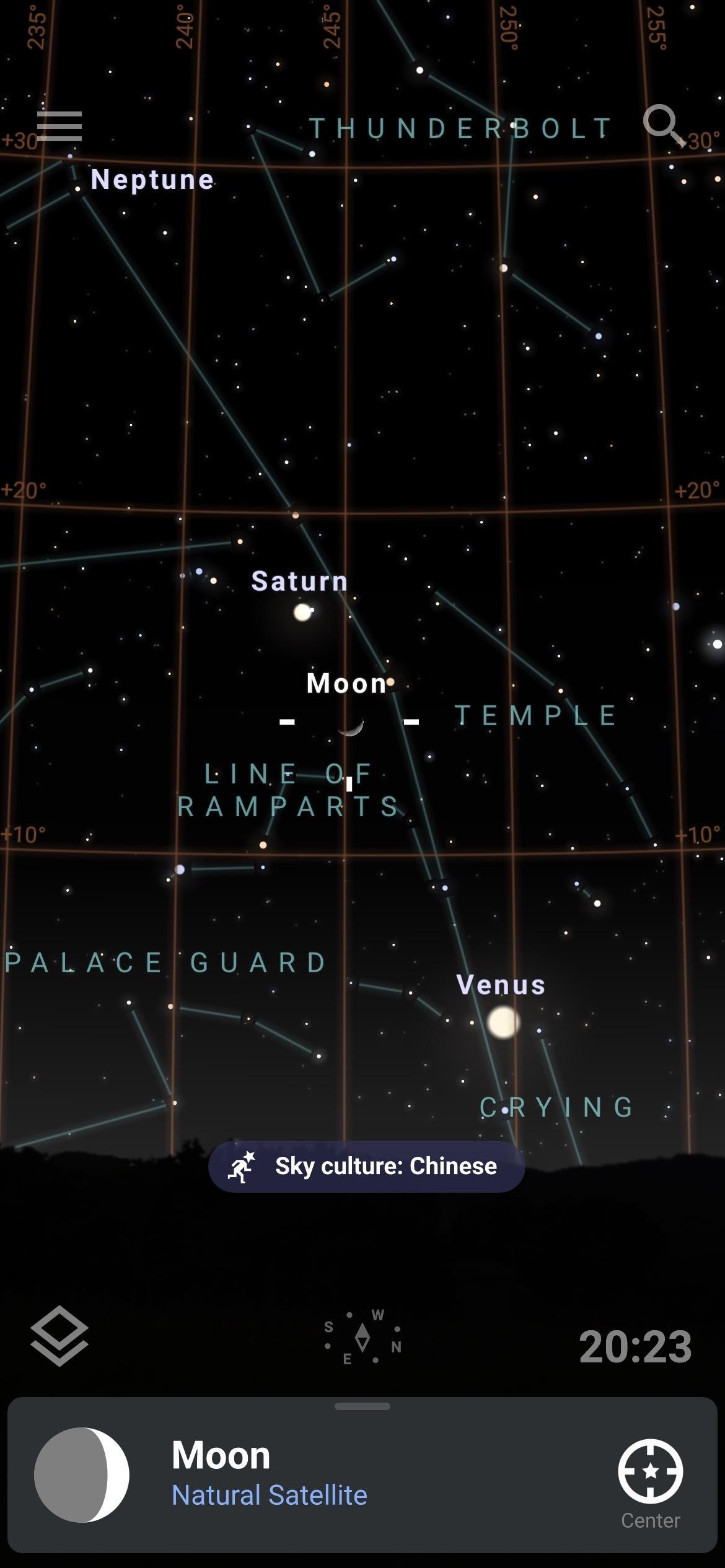
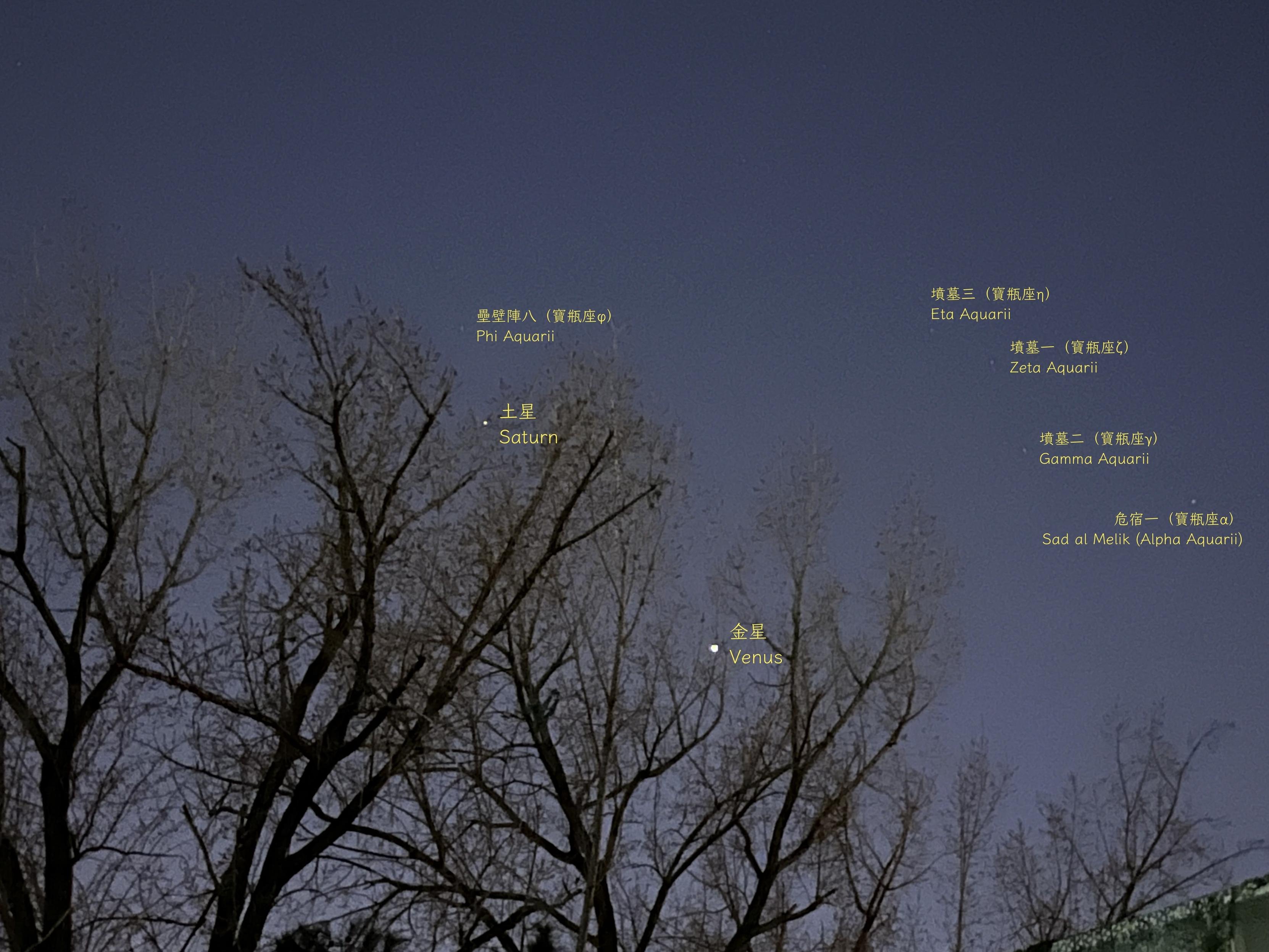
Venus and Saturn accompanying the Moon
月に伴う金星と土星
金星、土星伴月
(Picture 2 & 3 are captured from Stellarium)
#pictureoftheday #pictures #photooftheday #photographie #photography #Scenes #star #stellarium #stellar #moon #moonlight #venus #saturn #sky #night #nightphotography #nightsky #🌙 #🪐 #🌌 #🌃 #🌒 #夜 #攝影 #撮影 #摄影 #月 #金星 #土星 #星空 #天文 #宇宙_天文 #風景 #風景写真 #夜空 #天 #天空 #天空の #照片 #月光 #astronomy #astrophotography
#OTD in 1787.
William Herschel discovers Titania and Oberon, two moons of Uranus.
Orbiting at a much greater distance from Uranus are the ten known irregular moons. The planet's magnetosphere is highly asymmetric and has many charged particles, which may be the cause of the darkening of its rings and moons.
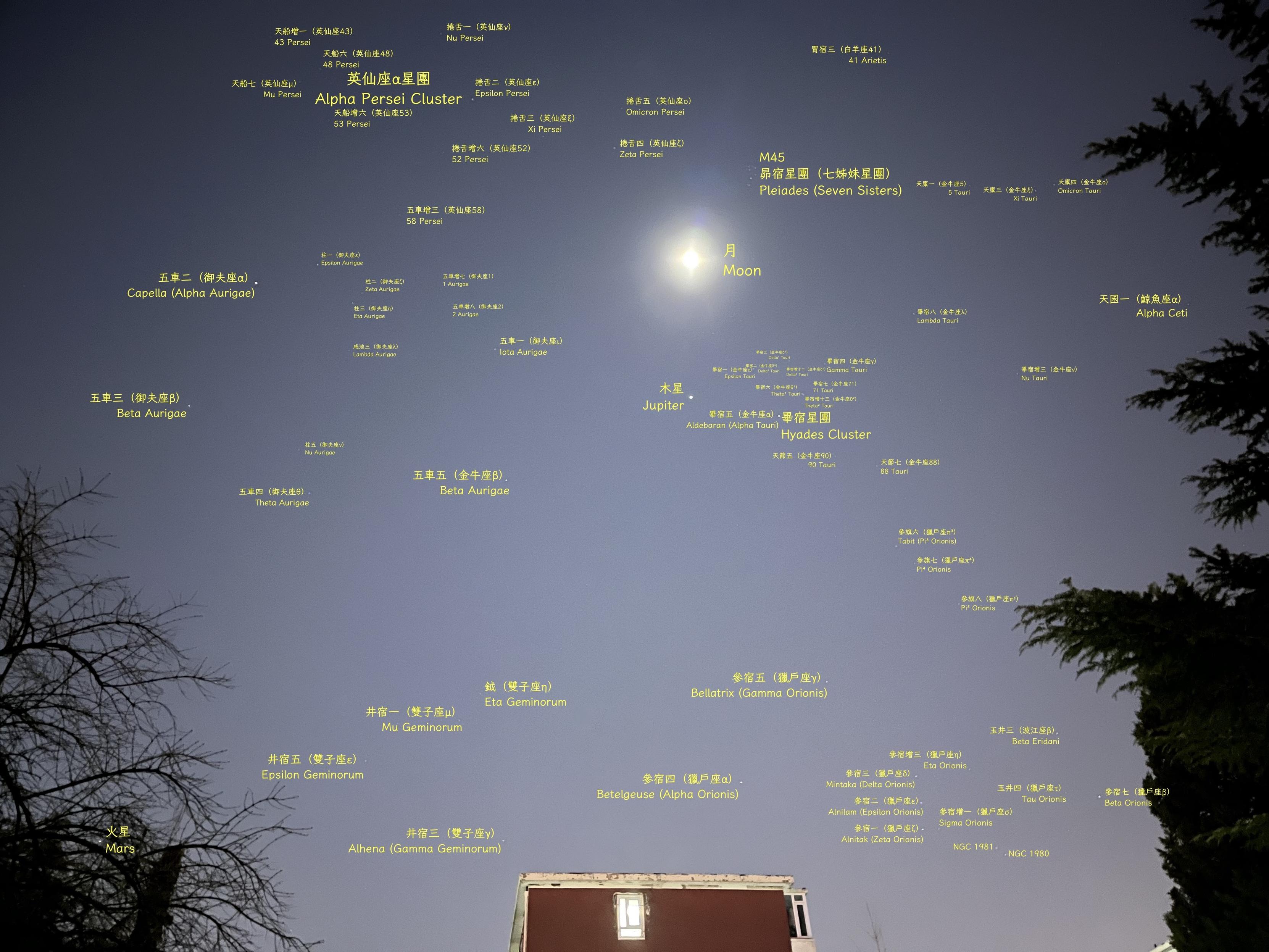
Looked up at the vast sky
Took in Beijing (39°56'51"N, 116°18'5"E)
18:17 and 18:34, Jan. 10, 2025 (UTC+8:00)
仰觀宇宙之大
攝於北京(39°56'51"N,116°18'5"E)
2025年1月10日18:17和18:34(UTC+8:00)
#picture #photo #fotografia #foto #Photos #風景写真 #照片 #撮影 #攝影 #写真 #photography #摄影 #天空の #fotografie #фотография #photographie #astrophotography #astronomy #月光 #天 #夜 #夜空 #宇宙_天文 #天文 #月 #night #nightphotography #sky #nightsky #星空 #moonlight #moon #scenery #Scenes #photographyisart #photooftheday #pictures #pictureoftheday #saturn #venus #土星 #金星 #木星 #木星合月 #火星 #星座 #星宿 #starrysky #starry_night #starrynight #starry_sky #Stellar #starsigns #mars #jupiter #jupiter_star #stars #Star #space #universe #universeodon #photodon
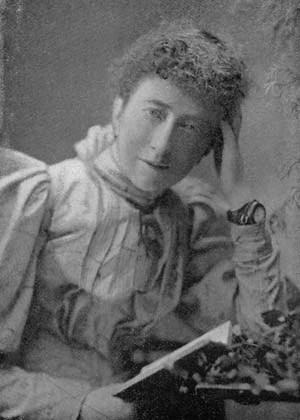
Irish astronomer Agnes Mary Clerke died #OTD in 1907.
During her career she wrote reviews of many books, including some written in French, German, Greek, or Italian. In 1885, she published her best known work, A Popular History of Astronomy during the Nineteenth Century. This book became commonly used for its discussion of the spectroscope.
https://en.wikipedia.org/wiki/Agnes_Mary_Clerke
Books about or by Agnes Mary Clerke at PG:
https://www.gutenberg.org/ebooks/search/?query=Agnes+Mary+Clerke&submit_search=Search
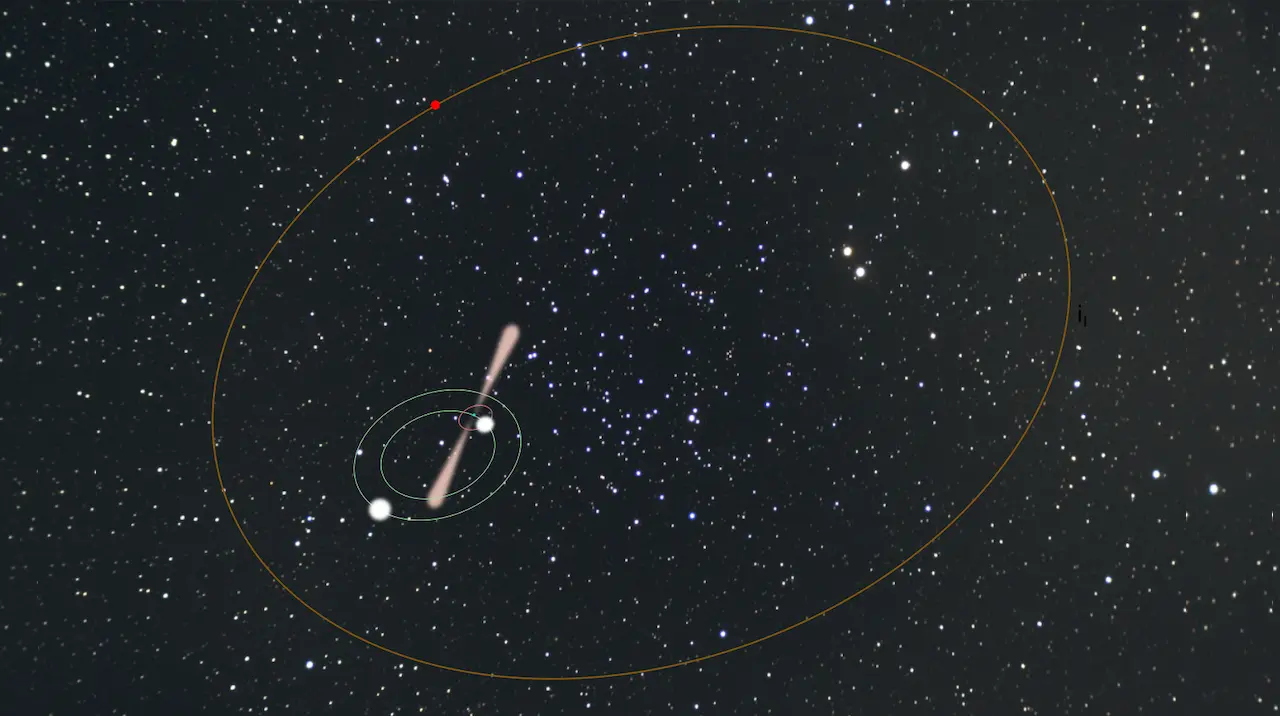
This may be the strangest planet yet discovered. It seems to be a Pluto-size world circling the remains of three dead stars: two white dwarfs & a pulsar, as massive as the Sun but no bigger than Brooklyn.
If confirmed, it would also be the smallest exoplanet known.
https://astrobiology.com/2025/01/have-we-discovered-the-smallest-extra-solar-planet.html #space #science #astronomy #nature
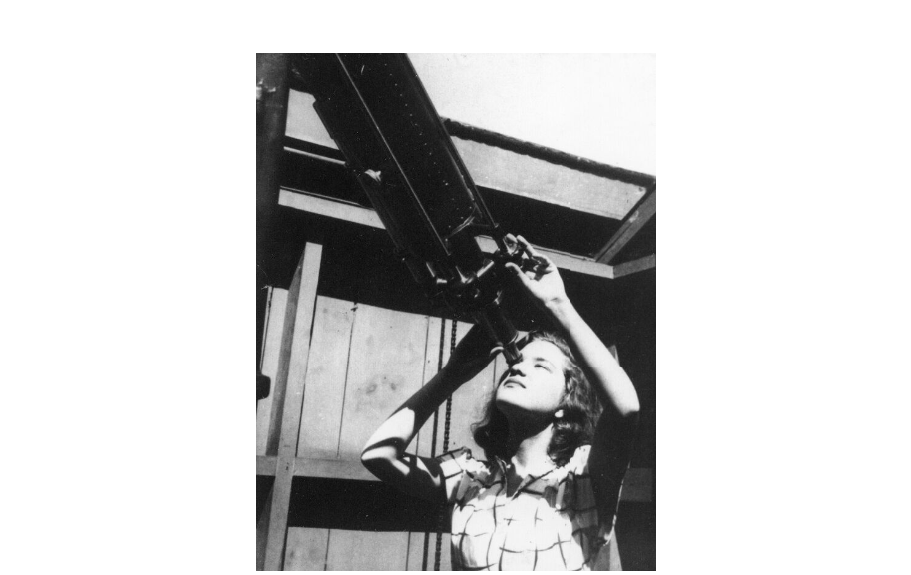
Vera Rubin Was a Pioneering Female Astronomer. Her Federal Bio Now Doesn’t Mention Efforts to Diversify Science.
—
The edits to the webpage offer a glimpse into how far the Trump administration will go in refusing to acknowledge today’s inequalities as it purges federal initiatives promoting diversity, equity and inclusion.
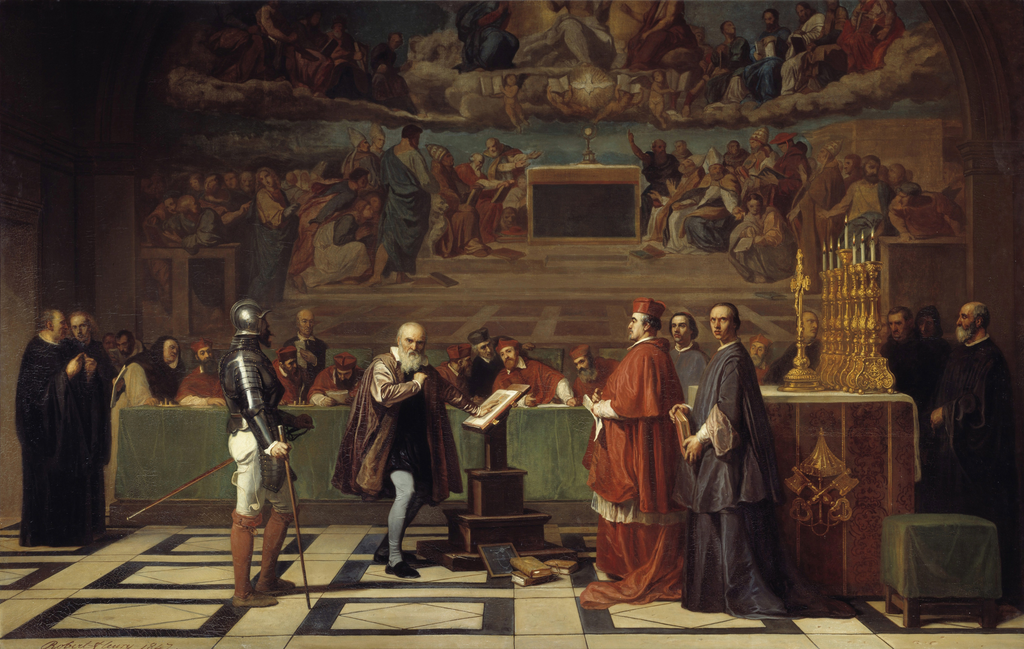
#OTD in 1616.
Galileo Galilei is formally banned by the Roman Catholic Church from teaching or defending the view that the earth orbits the sun.
https://en.wikipedia.org/wiki/Galileo_affair#Inquisition_and_first_judgment,_1616
Galileo Galilei at PG:
https://www.gutenberg.org/ebooks/search/?query=galileo+galilei&submit_search=Search
Today is Omar Khayyam’s 978th birthday
(May 18, 1048 — December 4, 1131)
There is something beautiful about celebrating the birthday of a man who helped humanity measure time. Khayyam was a brilliant scholar, respected for his work in mathematics, astronomy, and calendar reform.
His rubaiyat are small poems with a long shadow — a reminder that life is too brief to waste.
#birthday #today #Khayyam #poet #wtiter #poem #poetry #books #book #time #astronomy #bookstodon @bookstodon @poetry
"You've come, have you? – You've come, you source of tears to many mothers. It is long since I saw you; but as I see you now you are much more terrible, for I see you brandishing the downfall of my country."
William of Malmesbury, Gesta regum Anglorum
Halley’s comet may need a new, medieval name
Astronomers suggest the honor should go to an 11th century monk known for a disastrous flying attempt.
by Andrew Paul
https://www.popsci.com/science/halleys-comet-new-name/
At PG:
https://www.gutenberg.org/ebooks/search/?query=halley+comet
#OTD in 1616.
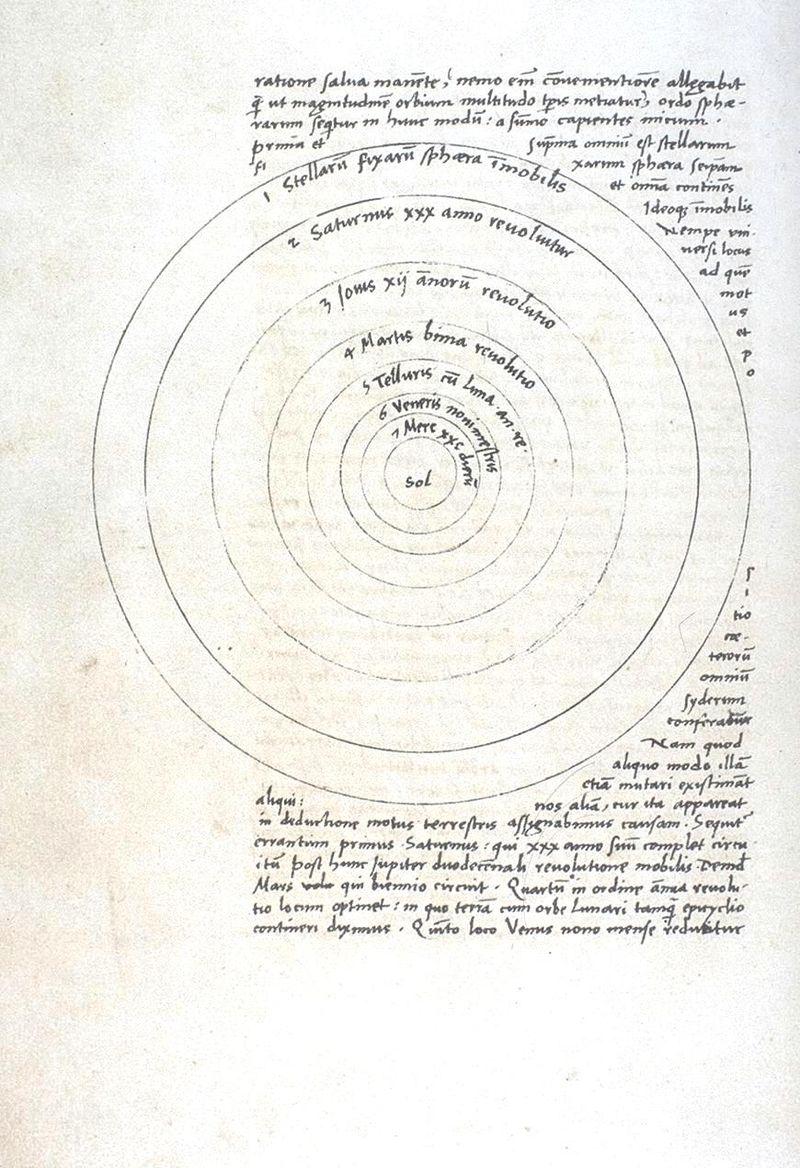
Nicolaus Copernicus's book On the Revolutions of the Heavenly Spheres is added to the Index of Forbidden Books 73 years after it was first published. The book, first printed in 1543 in Nuremberg, Holy Roman Empire, offered an alternative model of the universe to Ptolemy's geocentric system, which had been widely accepted since ancient times.
https://en.wikipedia.org/wiki/De_revolutionibus_orbium_coelestium
About Copernicus at PG:
https://www.gutenberg.org/ebooks/search/?query=copernicus&submit_search=Search
Edits to Vera Rubin’s Biography Downplay the Need for Women in Science Amid Federal DEI Crackdown
To comply with Trump's executive order about DEI, a federally funded telescope project has altered the biography of its namesake astronomer.
By Passant Rabie
What Counts as a Planet?
by Patricia Fara
The scientific disagreement about whether Pluto is a planet is just the latest war in the classifications of planets.
https://www.historytoday.com/archive/great-debates/what-counts-planet
New Quarter Honors Vera Rubin, Astronomer Who Revealed the Universe’s Hidden Mass
Astronomer Vera Rubin, now honored on a U.S. quarter, transformed our understanding of the universe by uncovering powerful evidence of dark matter.
By Gabrielle Stewart
#OTD in 1930.
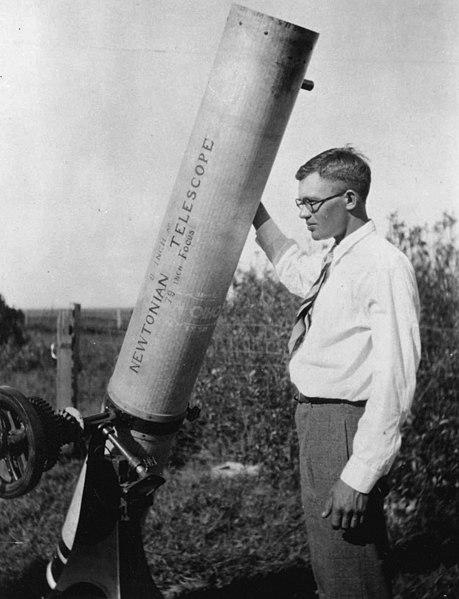
While studying photographs taken in January, Clyde Tombaugh discovers Pluto, making it by far the first known object in the Kuiper belt. It was immediately hailed as the ninth planet.
However, its planetary status was questioned when it was found to be much smaller than expected. In 2006, the International Astronomical Union (IAU) formally redefined the term planet to exclude dwarf planets such as Pluto.


 alternate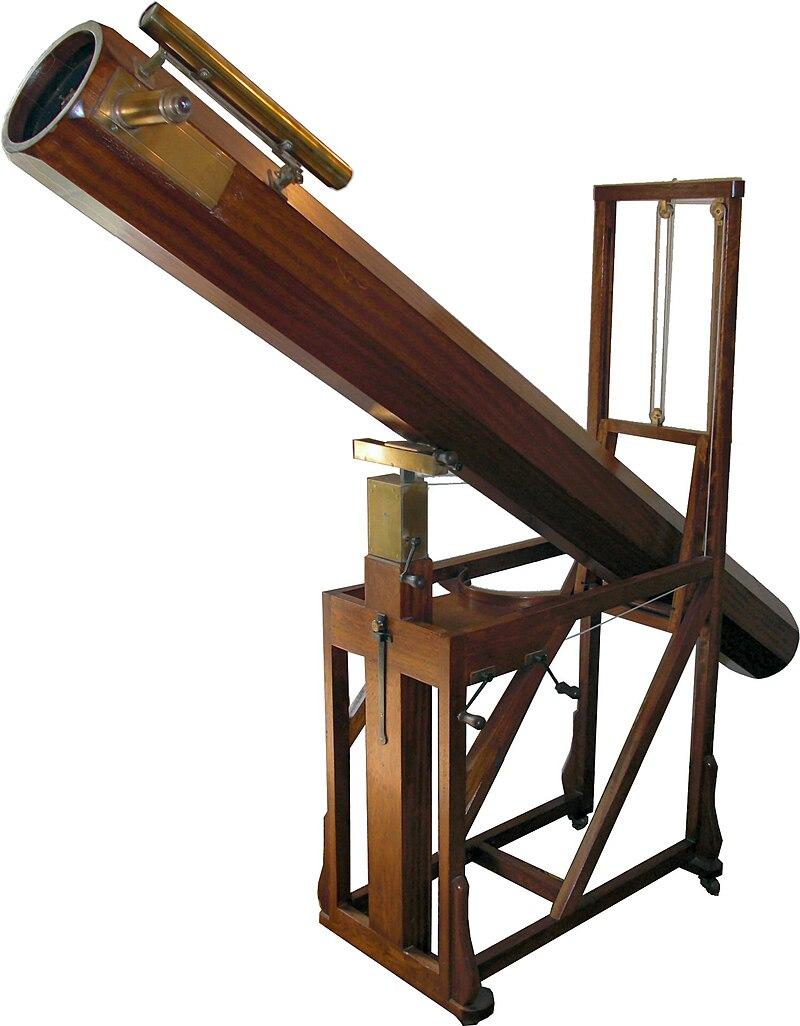




![The 1066 CE appearance of Halley's comet is famously depicted in the Bayeux tapestry.
The image shows:
Left panel: Figures pointing upward at the sky, gesturing in what appears to be alarm or wonder
Center: A stylized representation of the comet with streaming tail, labeled "ISTI MIRANT[UR] STELLA[M]" (These men marvel at the star)
Right panel: Shows King Harold II of England seated on his throne, with the label "HAROLD" visible. Attendants are informing him about the omen
The comet: Depicted with a bright head and flowing tail in the characteristic medieval artistic style](/proxy/post_attachment/975870/76ba46f9a4.webp "The 1066 CE appearance of Halley's comet is famously depicted in the Bayeux tapestry.
The image shows:
Left panel: Figures pointing upward at the sky, gesturing in what appears to be alarm or wonder
Center: A stylized representation of the comet with streaming tail, labeled \"ISTI MIRANT[UR] STELLA[M]\" (These men marvel at the star)
Right panel: Shows King Harold II of England seated on his throne, with the label \"HAROLD\" visible. Attendants are informing him about the omen
The comet: Depicted with a bright head and flowing tail in the characteristic medieval artistic style")