a review of 慕尼黑:战争边缘

Movie · Review
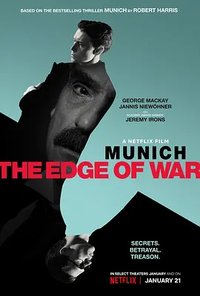
Munich: The Edge of War (2022)Münich: The Edge of War is a compelling historical drama that, while a work of fiction, bases itself so strongly in historical fact that it had an impact on me that seems to be lasting longer than some. The film expertly intertwines real historical events fiction has been written by Robert Harris. (I suggest you search for Munich by Robert Harris) One of the strongest points of the film is how it reproduces the suspense and desperation of pre-World War II diplomacy. The story of the fictional Paul von Hartmann and his secret plot to kill Adolf Hitler is hauntingly intriguing. Standing there, I could not help but feel profoundly touched by the haunting thought of "what might have been." The idea that if von Hartmann had triumphed, history would have been wholly dissimilar—potentially altering the course of millions of lives, Germany might possess Czechoslovakia—is as fascinating as it is tragic. The film does not just entertain; it puts you in the delicate strands upon which the fate of nations hung. This sense of historical fragility is captured in an article by David Stafford, What Might Have Been, where he speaks of the dangerous and sometimes unsettling nature of alternative histories. The film is an embodiment of this inquiry, providing viewers with a visceral understanding of the realm of possibilities that history never actualized. This movie is more than a thriller about history; it's a poignant reflection on the fragile balance of events in history and individuals who, knowingly or unknowingly, shaped the world we know today. It stayed with me long after the credits rolled, haunted by the whispers of choices made and paths not taken, both by them and my own choices.