Sammy Davis Jr. — Actor (29)
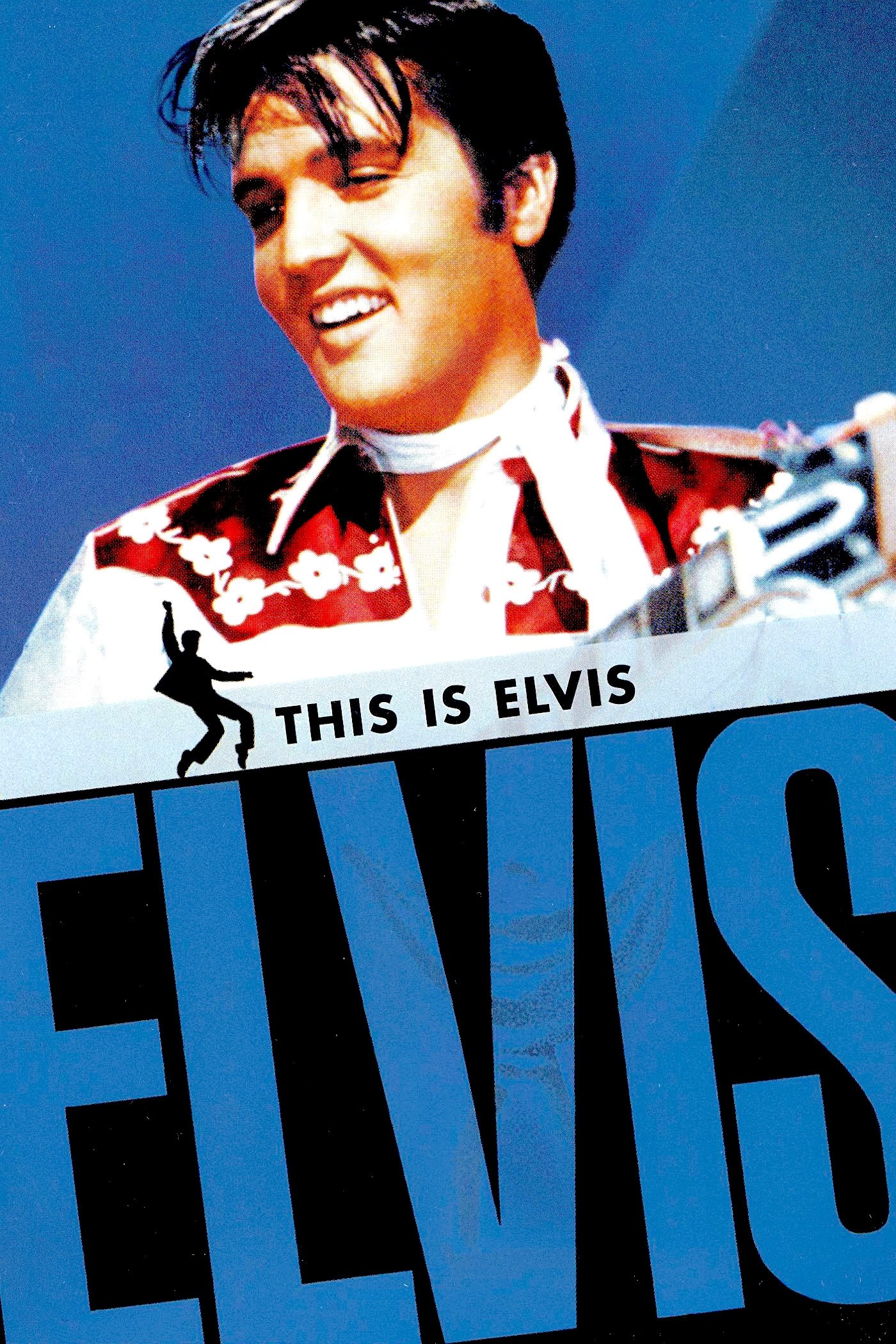
This Is Elvis (1981) [Movie] IMDb WikiData TMDB
This Is Elvis
director: Malcolm Leo / Andrew Solt actor: Elvis Presley / Joe Esposito
other title: Das ist Elvis / Este es Elvis
Though several actors portray Elvis Presley at different stages of his life, this documentary is comprised mostly of actual performance footage and interviews with Elvis, his fans and those close to him. This biographical docu-drama features rare footage of Elvis and dramatically recreated scenes from Elvis' life.
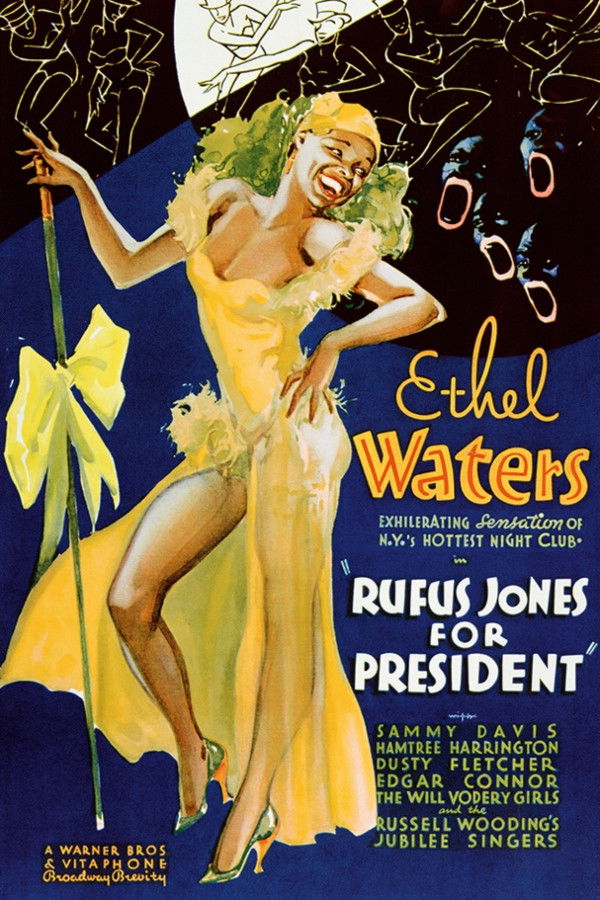
Rufus Jones for President (1933) [Movie] TMDB IMDb WikiData
Rufus Jones for President
director: Roy Mack actor: Ethel Waters / Sammy Davis Jr.
A fantasy satire on politics in which a little boy dreams that he becomes President of the U.S. and his 'mammy' is Vice President. The film spotlights two now legendary performers much earlier in their careers: Ethel Waters and Sammy Davis Jr. In his first screen appearance, around the age of seven, pint-sized Davis sings, dances and clowns. Nicknamed 'the beanpole' slim and slinky Waters looks far different from the heavier figure she displayed in Pinky (1949) and Member of the Wedding (1953). Statuesque in a long glamorous white gown, she sings her big hit "Am I Blue." Davis, in turn sings "I'll Be Glad When You're Dead You Rascal You." (Separate Cinema)
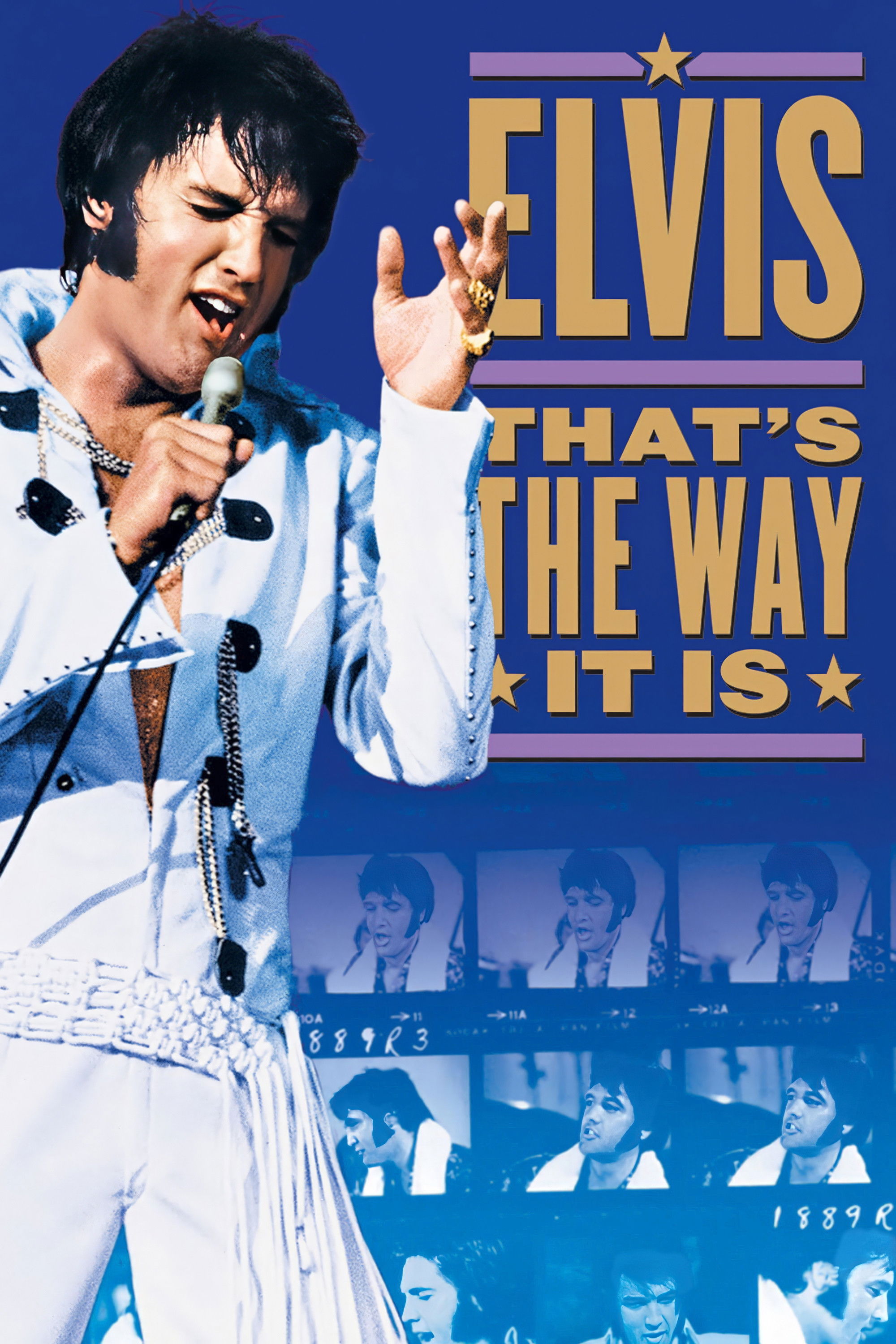
Elvis: That's the Way It Is (1970) [Movie] TMDB WikiData IMDb NeoDB
Elvis: That's the Way It Is
director: Denis Sanders actor: Elvis Presley / James Burton
other title: Elvis Presley Show / Elvis : That's the Way It Is
On July 31, 1970, in Las Vegas, Nevada, Elvis Presley staged a triumphant return to the concert stage from which he had been absent for almost a decade. His series of concerts broke all box office records and completely reenergized the career of the King of Rock ‘n’ Roll.
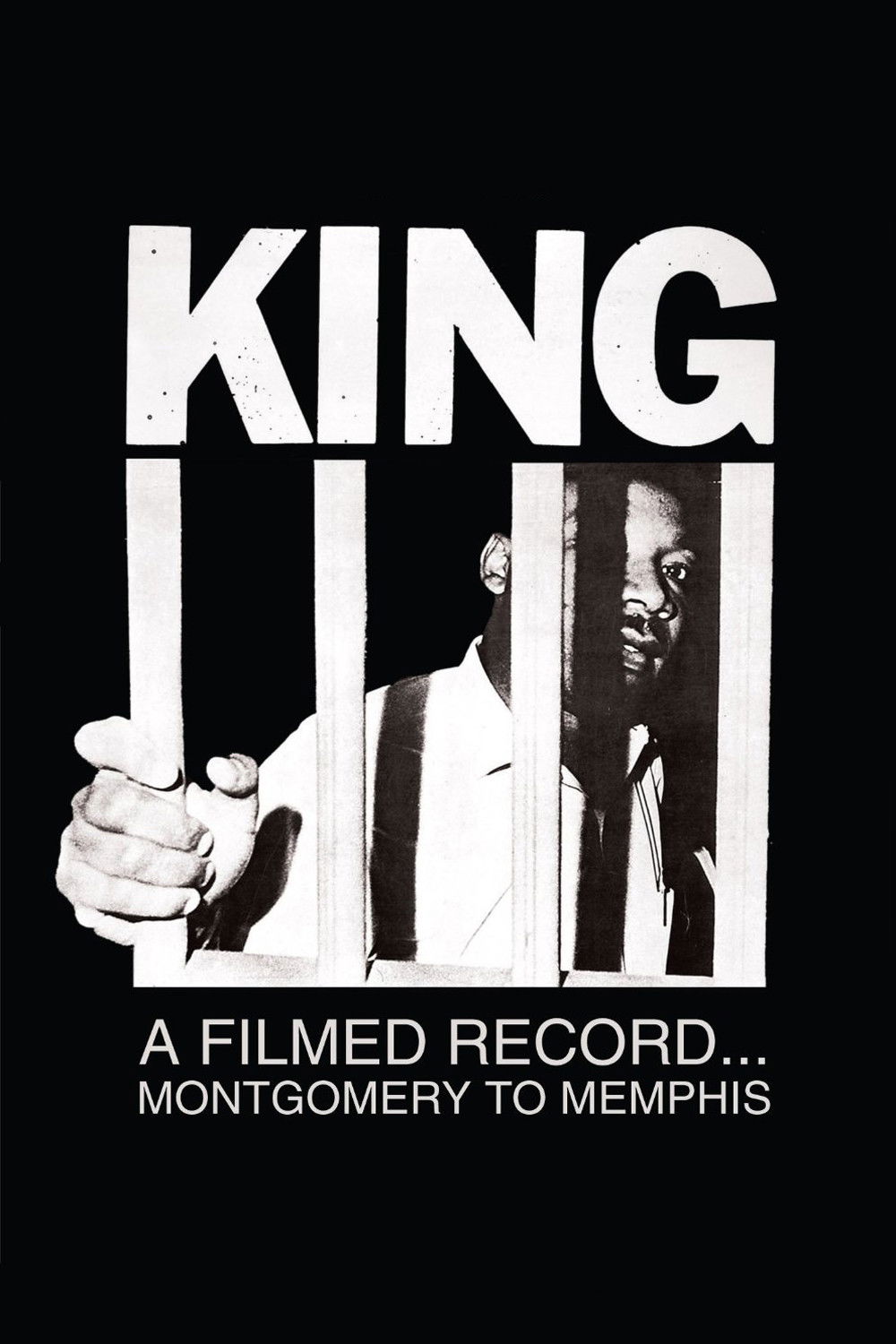
King: A Filmed Record... Montgomery to Memphis (1970) [Movie] IMDb NeoDB TMDB WikiData
King: A Filmed Record... Montgomery to Memphis
director: Sidney Lumet / Joseph L. Mankiewicz actor: Martin Luther King Jr. / Coretta Scott King
other title: Dann war mein Leben nicht umsonst – Martin Luther King / King : De Montgomery à Memphis
A presentation of key events in the life of civil rights activist Martin Luther King Jr. Beginning with the 1955 bus boycott in Montgomery, Alabama, MLK is followed through major steps in his struggle to promote racial equality. Including footage of King's stirring speeches, it is a fitting tribute to his legacy, and features clips narrated by a wide range of celebrities, including Harry Belafonte, Paul Newman Charlton Heston, Ruby Dee, Burt Lancaster, Anthony Quinn, Walter Matthau, Ben Gazzara, Clarence Williams III, Joanne Woodward, and James Earl Jones.
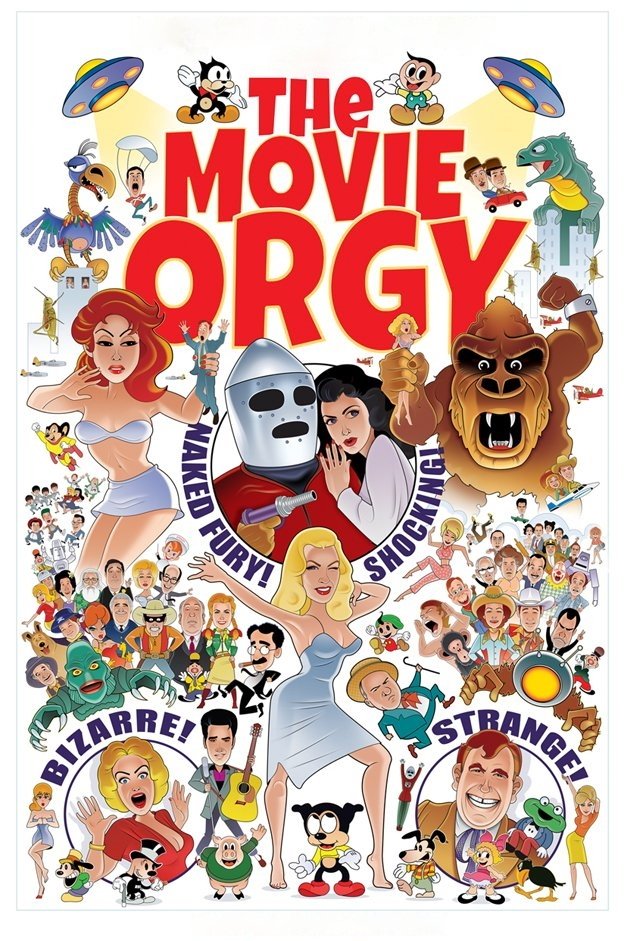
The Movie Orgy (1968) [Movie] TMDB IMDb
The Movie Orgy
director: Joe Dante actor: Goodman Ace / Andy Devine
Clips from assorted television programs, B-movies, commercials, music performances, newsreels, bloopers, satirical short films and promotional and government films of the 1950s and 1960s are intercut together to tell a single story of various creatures and societal ills attacking American cities.
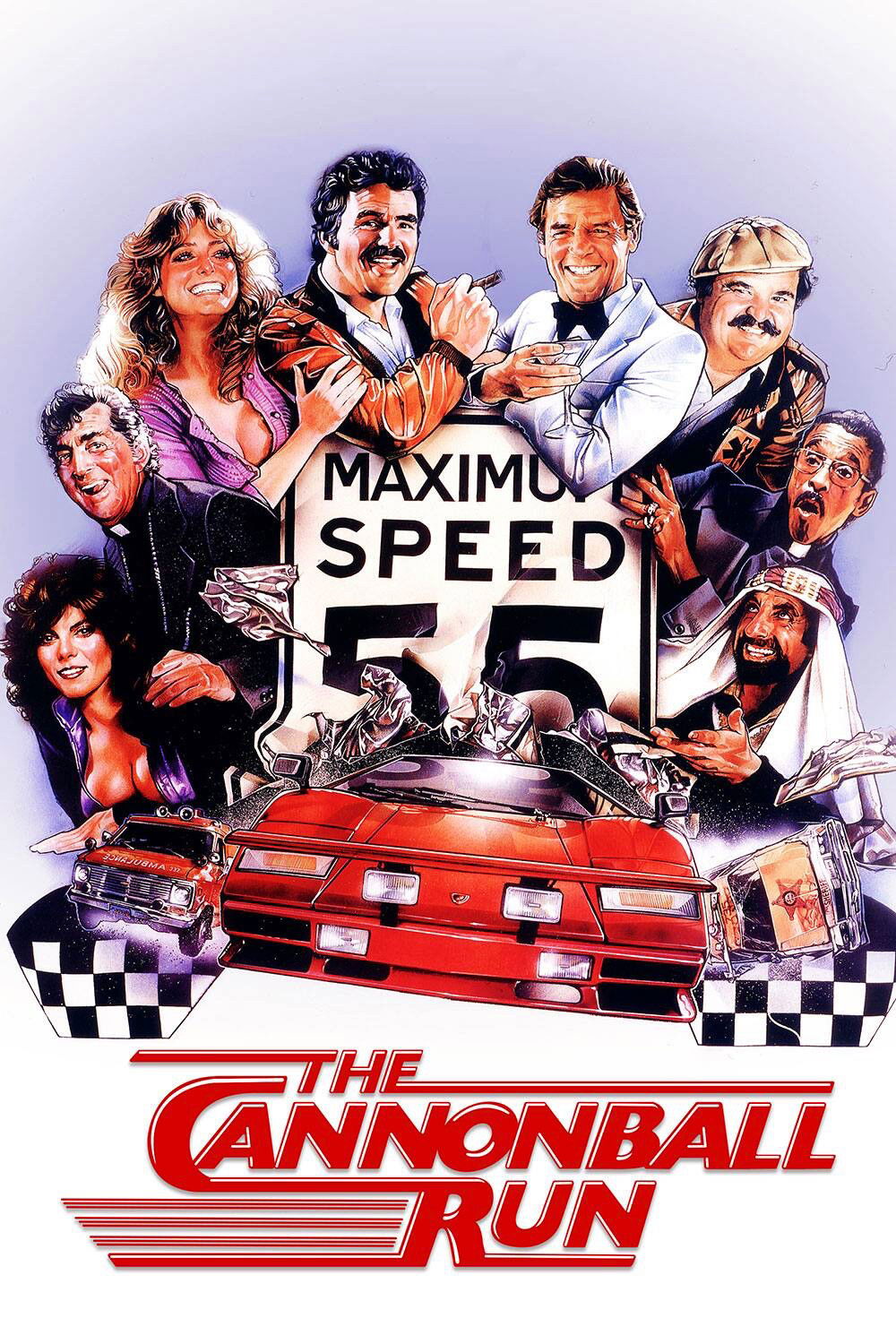
The Cannonball Run (1981) [Movie] TMDB NeoDB IMDb Douban WikiData Skybridge
The Cannonball Run
director: Hal Needham actor: Burt Reynolds / Roger Moore
other title: La corsa più pazza d'America / Ud At Køre Med De Skøre
A cross-country road race is based on an actual event, the Cannonball Baker Sea to Shining Sea Memorial Trophy Dash, organized by Brock Yates to protest the 55 mph speed limit then in effect in the U.S. The Cannonball was named for Erwin G. "Cannonball" Baker, who in the roaring 20's rode his motorcycle across the country. Many of the characters are based on ruses developed by real Cannonball racers over the several years that the event was run.
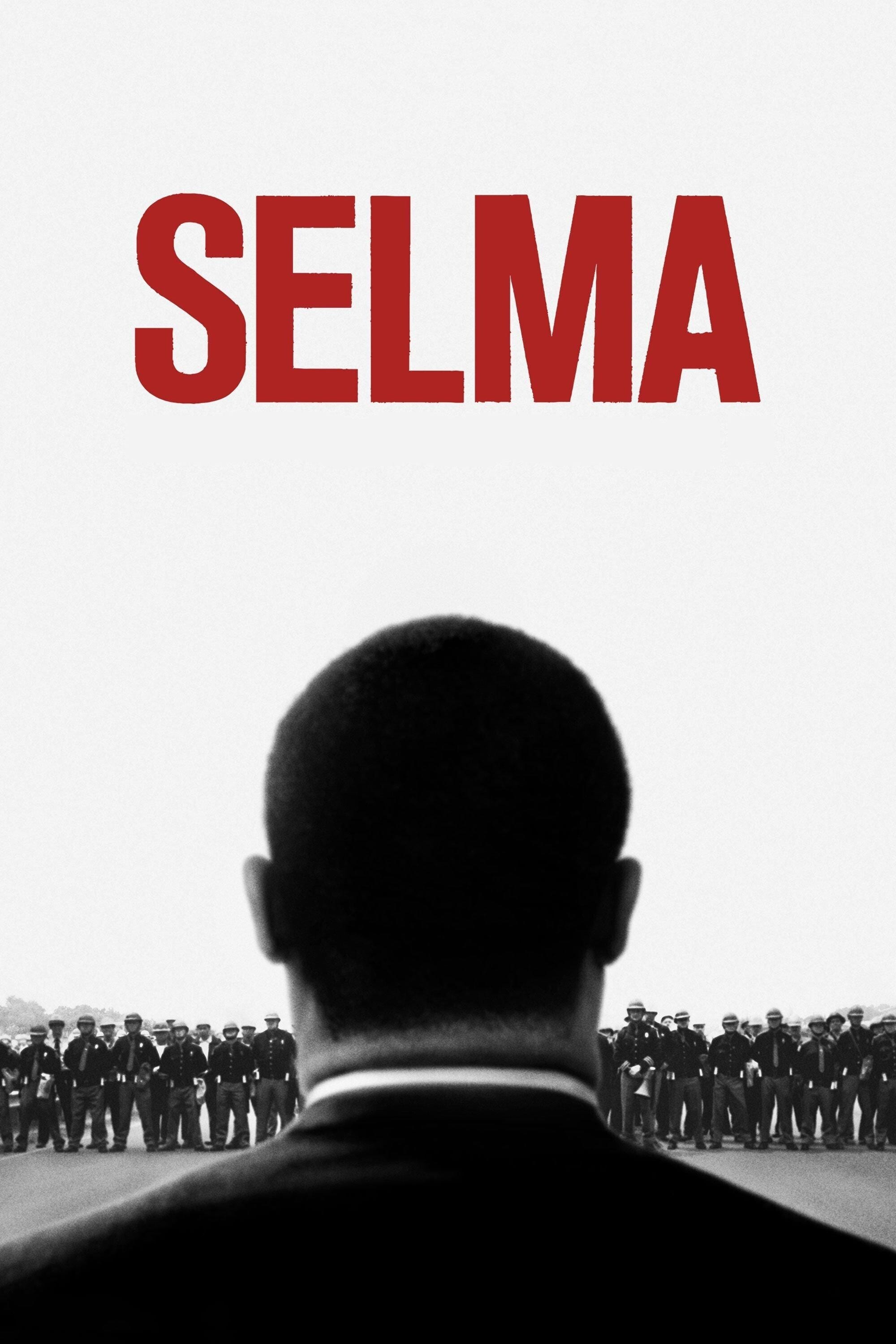
Selma (2014) [Movie] TMDB NeoDB Douban IMDb Skybridge
Selma
director: Ava DuVernay actor: David Oyelowo / Carmen Ejogo
other title: Selma - La strada per la libertà / Selma - A Marcha da Liberdade
"Selma," as in Alabama, the place where segregation in the South was at its worst, leading to a march that ended in violence, forcing a famous statement by President Lyndon B. Johnson that ultimately led to the signing of the Voting Rights Act.