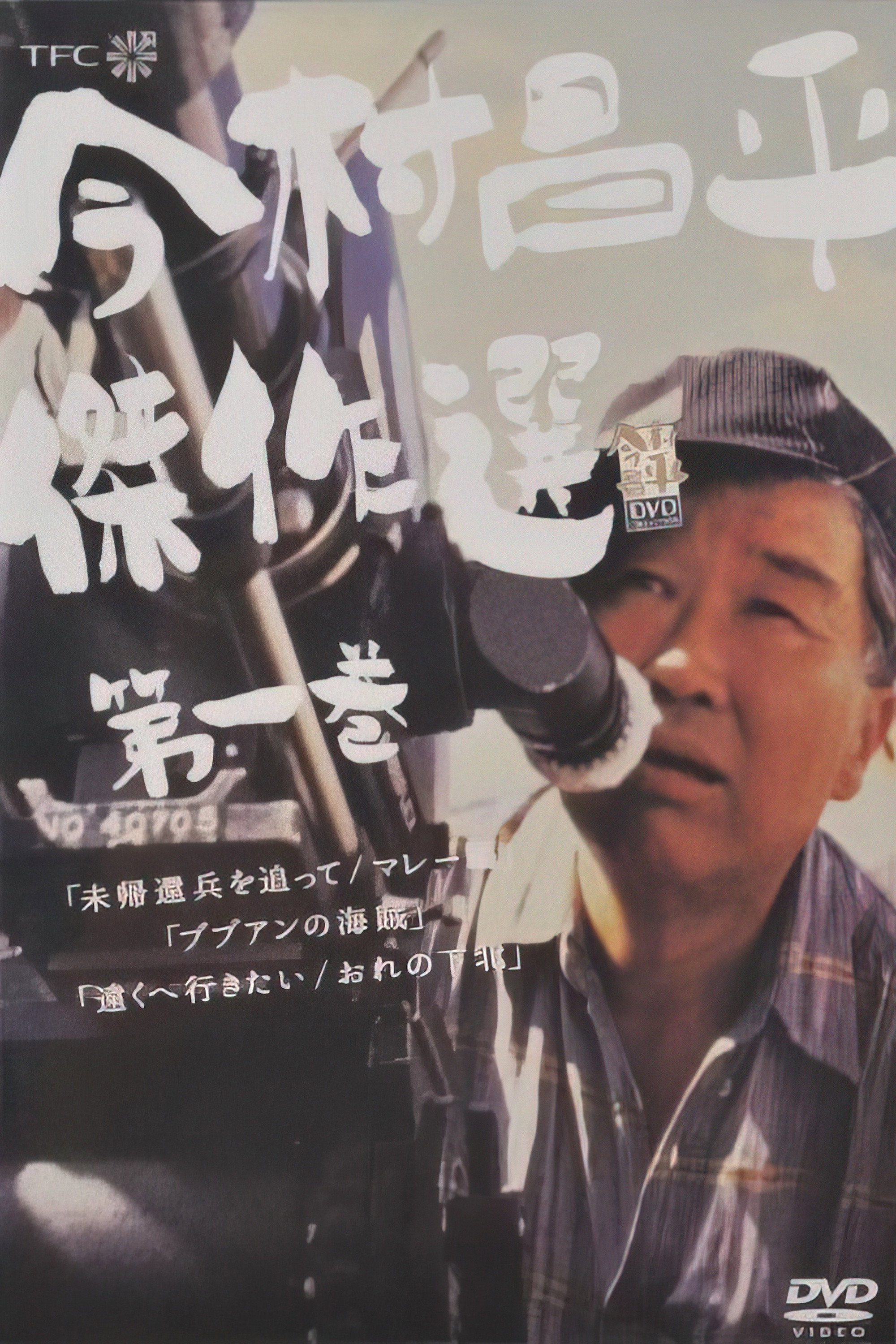
Shōhei Imamura — Director (10)
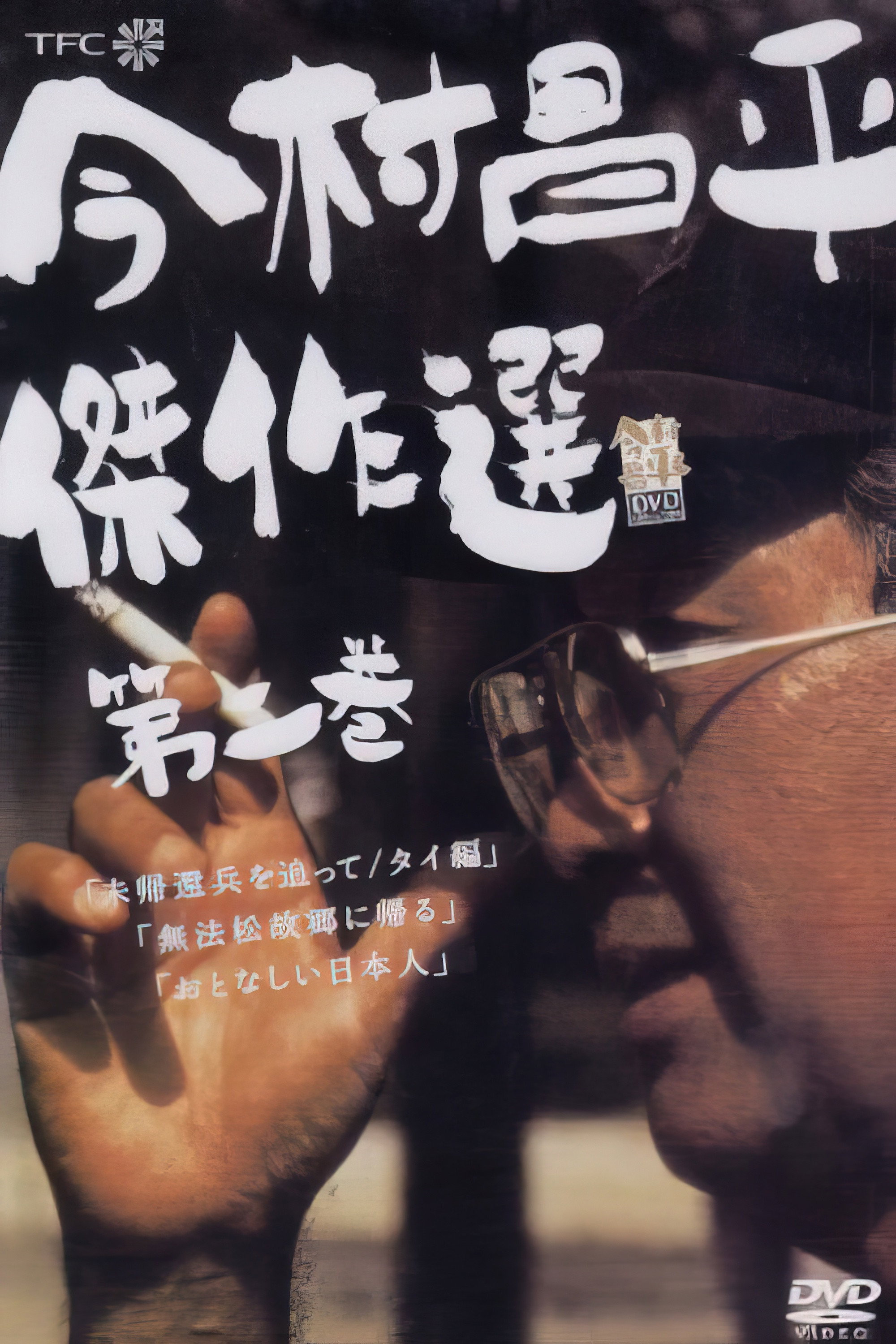
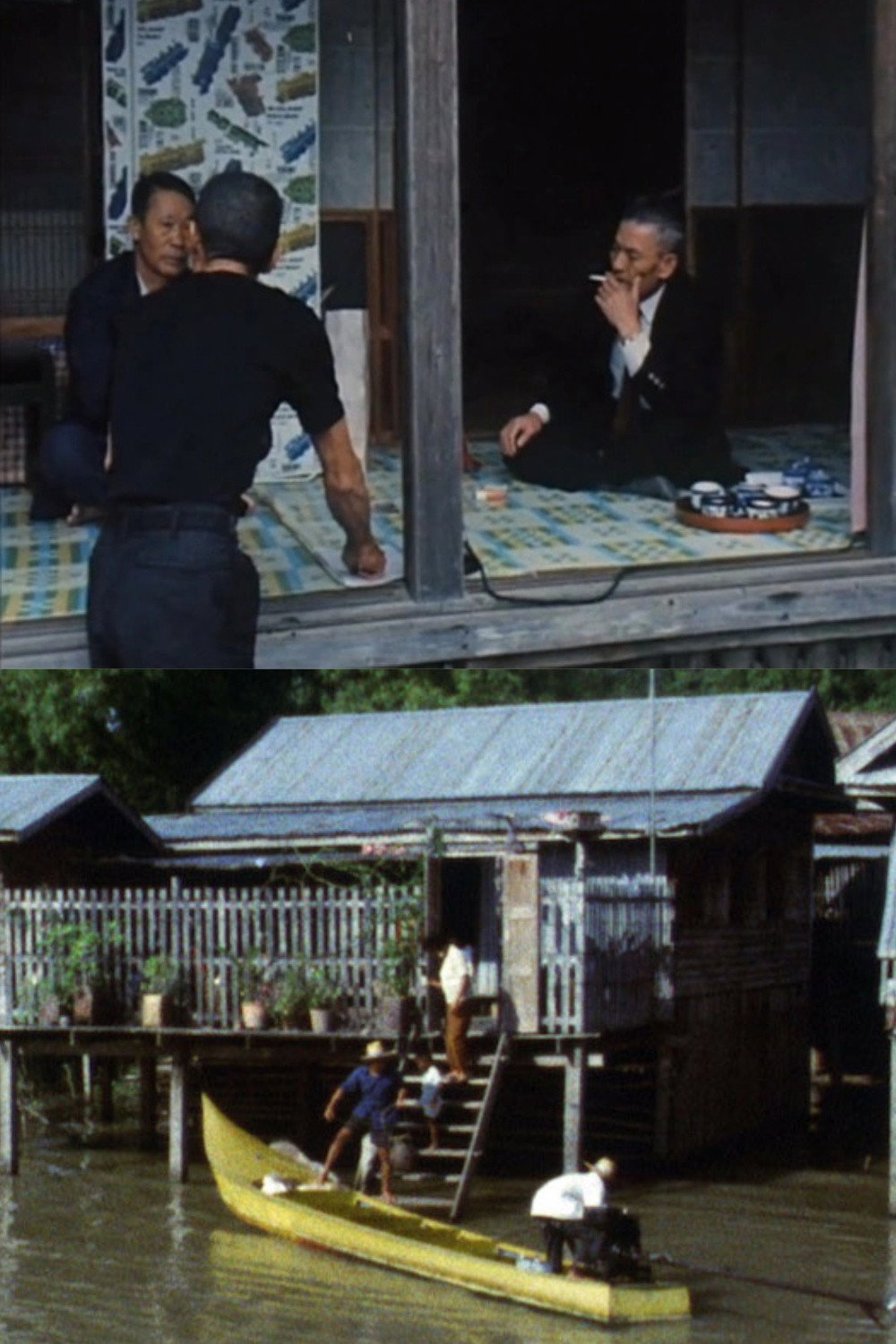
Following the Unreturned Soldier: Thailand (1971) [Movie] TMDB IMDb
未帰還兵を追って・タイ編
director: Shōhei Imamura
other title: En suivant ces soldats qui ne sont pas revenus : la Thaïlande / 未帰還兵を追って・タイ編
In Thailand, three Japanese soldiers, left in the jungle more than a quarter of a century after their country's defeat, come together to discuss what their life was like during and after the war. Part two of Imamura's quest for Japanese soldiers who stayed behind after the war.
Outlaw-Matsu Comes Home (1973) [Movie] IMDb TMDB
無法松故郷に帰る
director: Shōhei Imamura actor: Shōhei Imamura
other title: La brute revient au pays natal / 無法松故郷に帰る
“In Search of Unreturned Soldiers was about former soldiers of the Japanese army who chose not to return to Japan after the war. I found several of them who had remained in Thailand. Two years later, I invited one of them to make his first return visit to Japan and documented it in Outlaw-Matsu Returns Home. During the filming, my subject Fujita asked me to buy him a cleaver so that he could kill his ‘vicious brother.’ I was shocked, and asked him to wait a day so that I could plan how to film the scene. By the next morning, to my relief, Fujita had calmed down and changed his mind about killing his brother. But I couldn’t have had a sharper insight into the ethical questions provoked by this kind of documentary filmmaking.” —Shôhei Imamura
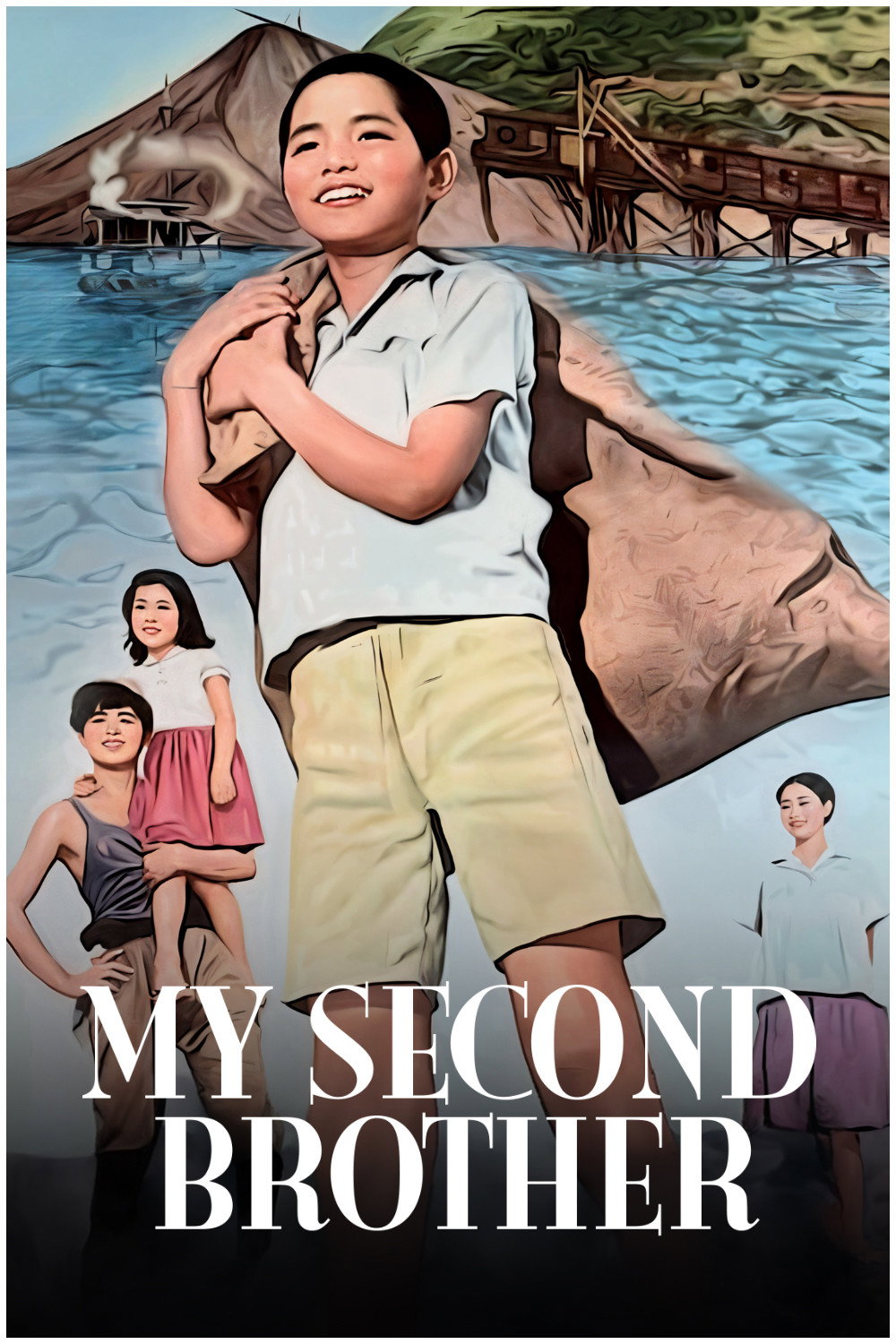
My Second Brother (1959) [Movie] IMDb WikiData TMDB
にあんちゃん
other title: Il diario di Sueko - Il secondo fratello / O Meu Segundo Irmão
The film tells the story of four orphans living in an impoverished mining town. An adaptation of a best-selling book based on the diary of a ten-year-old zainichi (ethnic Korean Japanese) girl, it was one of the first films to deal with the subject of zainichi identity and struggles in Japan.
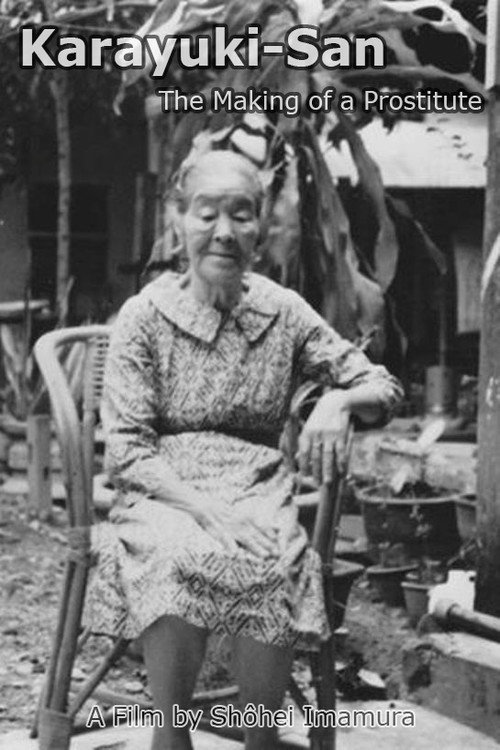
Karayuki-San, the Making of a Prostitute (1973) [Movie] TMDB IMDb
からゆきさん
other title: からゆきさん
Karayuki-san, the Making of a Prostitute is a 1975 Japanese film by director Shohei Imamura. It is a documentary on one of the Japanese "karayuki-san," who were women that were taken from their homes in Japan and used as prostitutes in the post-war period. Many of these women were told that they were doing this to support their families because of the extreme poverty that the war left much of Japan to live in. Imamura focuses on a particular such woman who was sent to Malaysia and never returned to Japan. Joan Mellen, in The Waves at Genji's Door, called this film, "Perhaps the most brilliant and feeling of Imamura's fine documentaries."
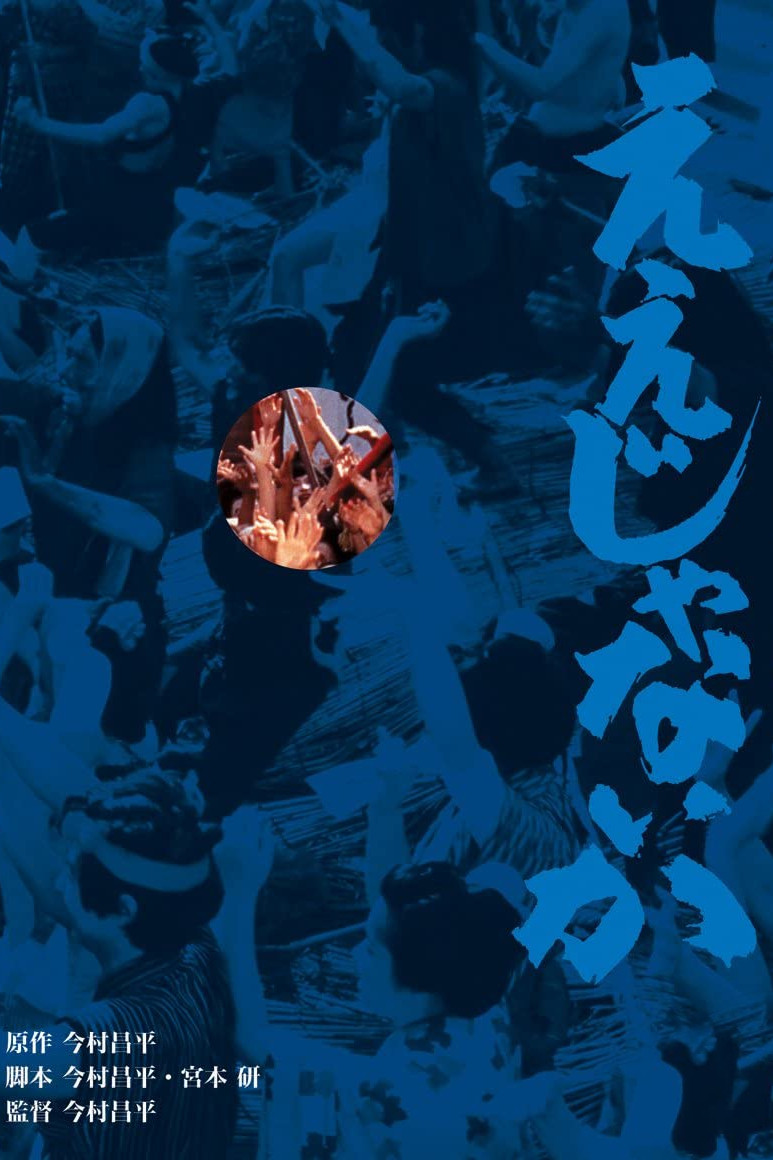
Eijanaika (1981) [Movie] TMDB IMDb WikiData
ええじゃないか
other title: Pourquoi pas ? / Eijanaika (Qué más da)
The film depicts carnivalesque atmosphere summed up by the cry "Ei ja nai ka" ("Why not?") in Japan in 1867 and 1868 in the days leading to the Meiji Restoration. It examines the effects of the political and social upheaval of the time, and culminates in a revelrous march on the Tokyo Imperial Palace, which turns into a massacre. Characteristically, Imamura focuses not on the leaders of the country, but on characters in the lower classes and on the fringes of society.
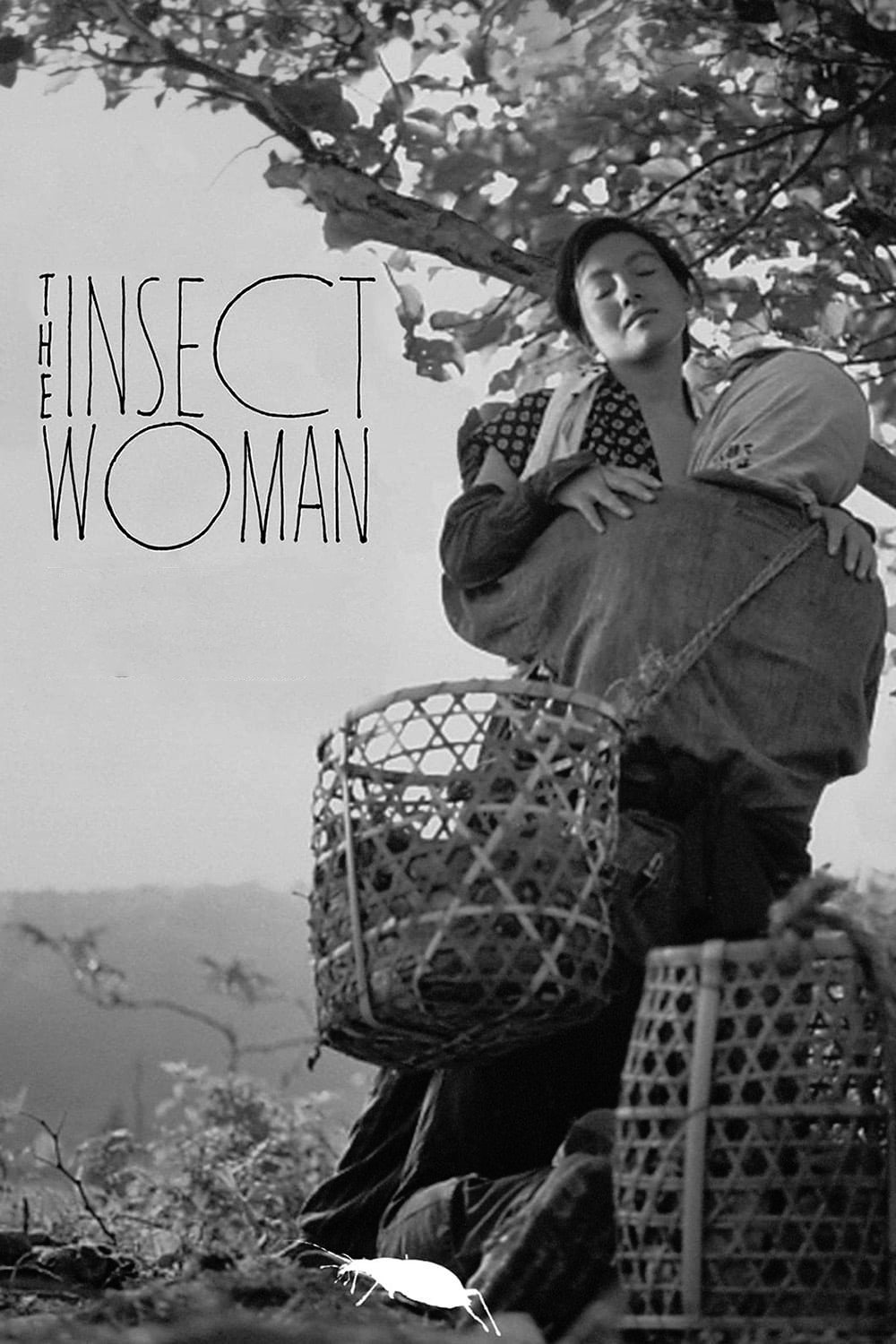
The Insect Woman (1963) [Movie] NeoDB IMDb Douban TMDB WikiData
にっぽん昆虫記
director: Shōhei Imamura actor: Tomio Aoki / Taiji Tonoyama
other title: Cronache entomologiche del Giappone / A Mulher Inseto
A woman, Tome, is born to a lower class family in Japan in 1918. The title refers to an insect, repeating its mistakes, as in an infinite circle. Imamura, with this metaphor, introduces the life of Tome, who keeps trying to change her poor life.
Zegen (1987) [Movie] NeoDB Douban TMDB IMDb WikiData
女衒
director: 今村昌平 actor: 绪形拳 / 倍赏美津子
other title: 女衒 / 女炫
At the time between the World Wars, Japan is involved in empire-building throughout East and Southeast Asia. After a brief career as a low-level military adventurer, Iheiji sets up chains of brothels throughout Asia. As Japan's power in the region grows, so does Iheiji's prosperity and patriotism.