Harun Farocki — Director (19)
workers leaving the factory (1995) [Movie] NeoDB Douban TMDB IMDb WikiData
Arbeiter verlassen die Fabrik
director: Harun Farocki actor: Harun Farocki
other title: 工人离开工厂 / Arbeiter verlassen die Fabrik
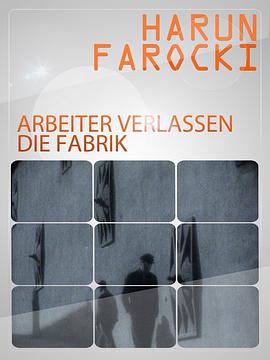
Based on one of the Lumière brothers’ historic first films, Harun Farocki has created a montage of scenes from 100 years of film history, all variations on the theme of “workers leaving the factory”. Farocki uses the pictures to reflect on the iconography and economy of a workers’ society, as well as that of cinema itself, which tends to acquire its audience at the gates of the factory and hijack them into the private sphere.
Parallel I–IV (2014) [Movie] NeoDB TMDB IMDb
Parallel I–IV
director: Harun Farocki
Cinema’s onscreen worlds have always borne an indexical bond to the real. What happens when computer-generated video game images usurp film as the predominant medium of visual world-making? How does one’s relation to onscreen heroes shift when we no longer identify with real bodies? Harun Farocki’s four-part Parallel I–IV (2012–14) takes up these questions, tracing how, in just over 30 years, video games have developed from two-dimensional schematics to photorealistic environments.
Counter-Music (2004) [Movie] TMDB NeoDB
Counter-Music
director: Harun Farocki
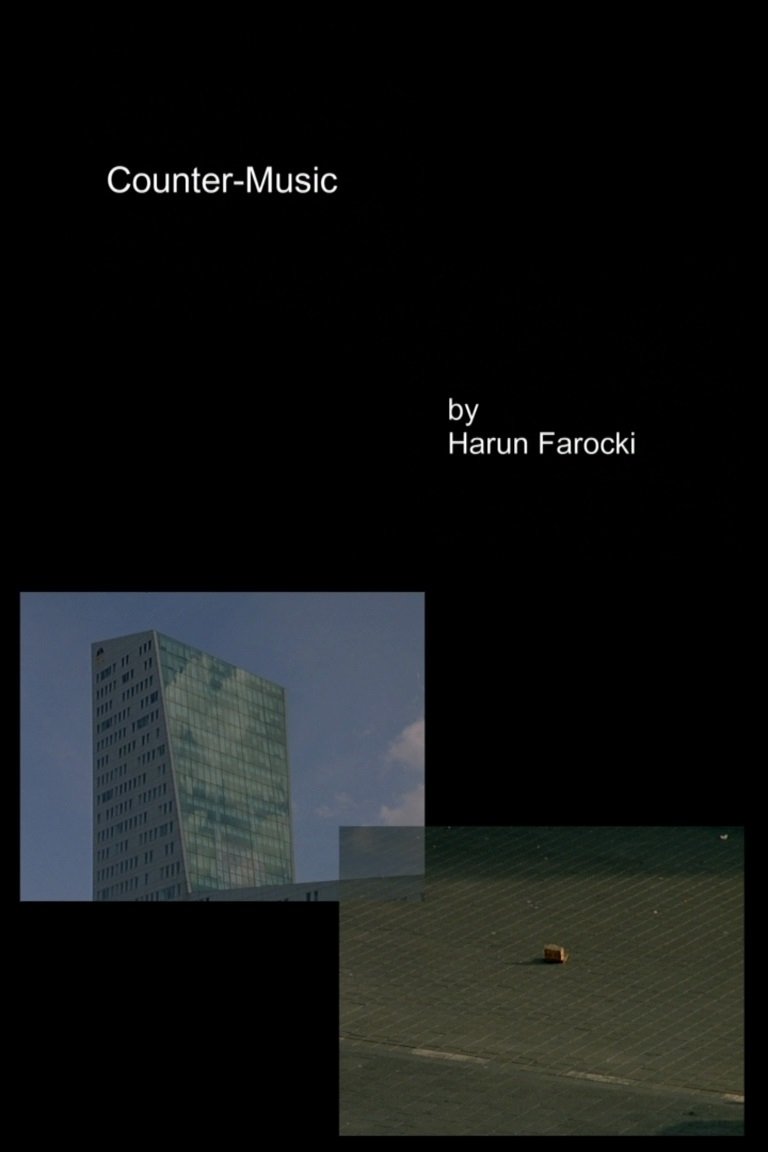
The city today is as rationalised and regulated as a production process. The images which today determine the day of the city are operative images, control images. Representations of traffic regulation, by car, train or metro, representations determining the height at which mobile phone network transmitters are fixed, and where the holes in the networks are. Images from thermo-cameras to discover heat loss from buildings. And digital models of the city, portrayed with fewer shapes of buildings or roofs than were used in the 19th century when planned industrial cities arose, amongst them the Lille agglomeration. Despite their boulevards, promenades, market places, arcades and churches, these cities are already machines for living and working. I too want to "remake" the city films, but with different images. Limited time and means themselves demand concentration on just a few, archetypal chapters. Fragments, or preliminary studies.
I Thought I Was Seeing Convicts (2000) [Movie] Douban NeoDB IMDb TMDB
Ich glaubte Gefangene zu sehen
director: Harun Farocki
other title: Ich glaubte Gefangene zu sehen
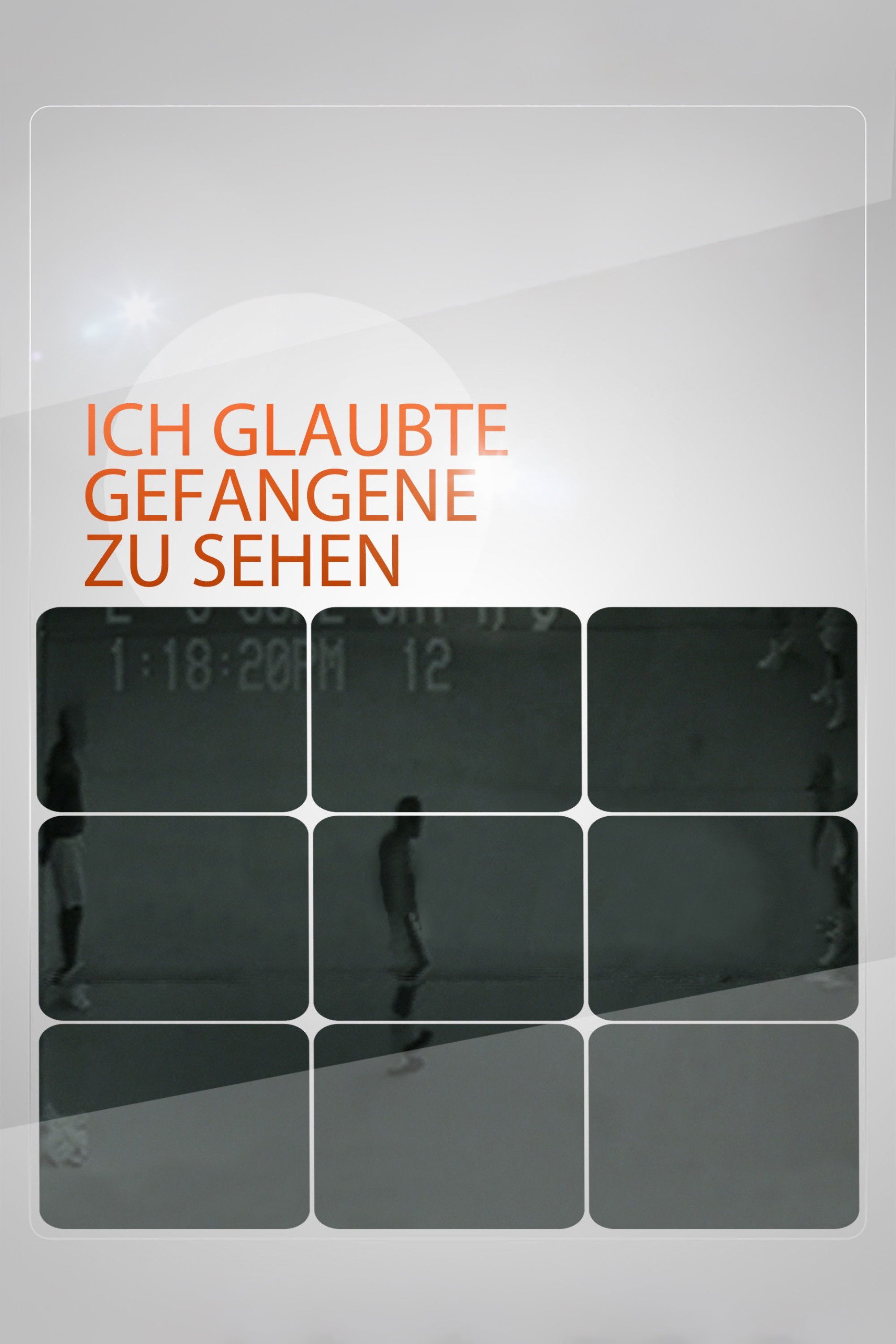
Images from the maximum-security prison in Corcoran, California. A surveillance camera shows a pie-shaped segment of the concrete yard where the prisoners, dressed in shorts and mostly shirtless, are allowed to spend half an hour a day. When one convict attacks another, those not involved lay flat on the ground, arms over their heads. They know that when a fight breaks out, the guard calls out a warning and then fires rubber bullets. If the fight continues, the guard shoots real bullets. The pictures are silent, the trail of gun smoke drifts across the picture. The camera and the gun are right next to each other.
Serious Games 1–4 (2011) [Movie] TMDB NeoDB
Ernste Spiele I–IV
director: Harun Farocki
other title: Ernste Spiele I–IV
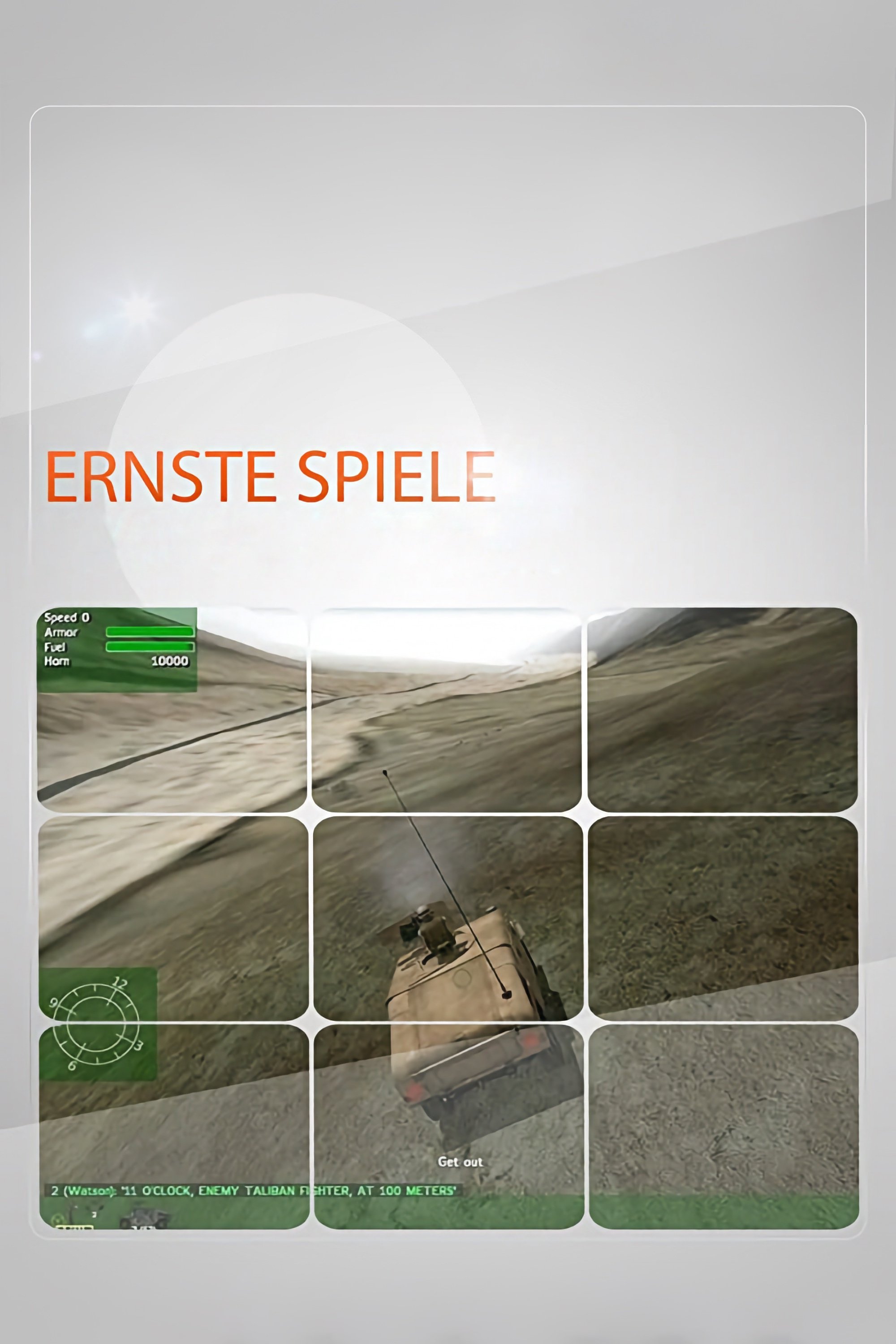
Harun Farocki: Serious Games I–IV (2009–10) explores the use of virtual reality and gaming technology in U.S. military recruitment, training and after-action therapy, revealing fundamental links between technology and violence in a time of war. Young recruits engage in simulated combat training, which barely differs from video games produced as entertainment. Footage is included from a workshop demonstrating the use of computer re-enactments in the psychological care of veterans suffering from post-traumatic stress disorder. As a large-scale installation, Serious Games critically focuses on the role of audiovisual culture in the spectacle of war.
Bedtime Stories: Cat (1977) [Movie] NeoDB TMDB
Einschlafgeschichten (Katze)
director: Harun Farocki
other title: Einschlafgeschichten (Katze)
"As if pictures could think! Einschlafgeschichten doesn't really speak of bridges or railroads but rather of two girls filling the space between daytime and dreamtime with a poetic game, an endless game, a game with no end. A game which can fade out without becoming fragmentary. "Are you asleep?", one of them asks at the end of a clip – and the final shot is of the two, asleep; the game is over. The girls are played by Lara and Anna, Farocki's daughters." - Hans J. Wulff
Bedtime Stories: Bridges (1977) [Movie] NeoDB TMDB
Einschlafgeschichten (Brücken)
director: Harun Farocki
other title: Einschlafgeschichten (Brücken)
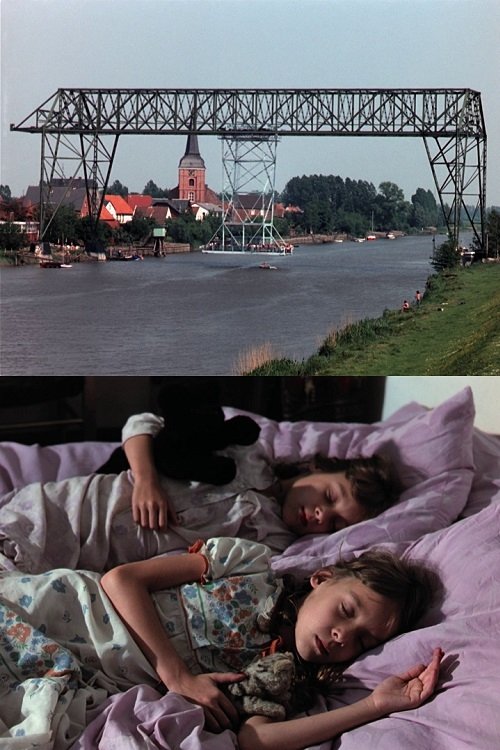
"As if pictures could think! Einschlafgeschichten doesn't really speak of bridges or railroads but rather of two girls filling the space between daytime and dreamtime with a poetic game, an endless game, a game with no end. A game which can fade out without becoming fragmentary. "Are you asleep?", one of them asks at the end of a clip – and the final shot is of the two, asleep; the game is over. The girls are played by Lara and Anna, Farocki's daughters."
Bedtime Stories: Railways (1977) [Movie] NeoDB TMDB
Einschlafgeschichten (Bahnen)
director: Harun Farocki
other title: Einschlafgeschichten (Bahnen)
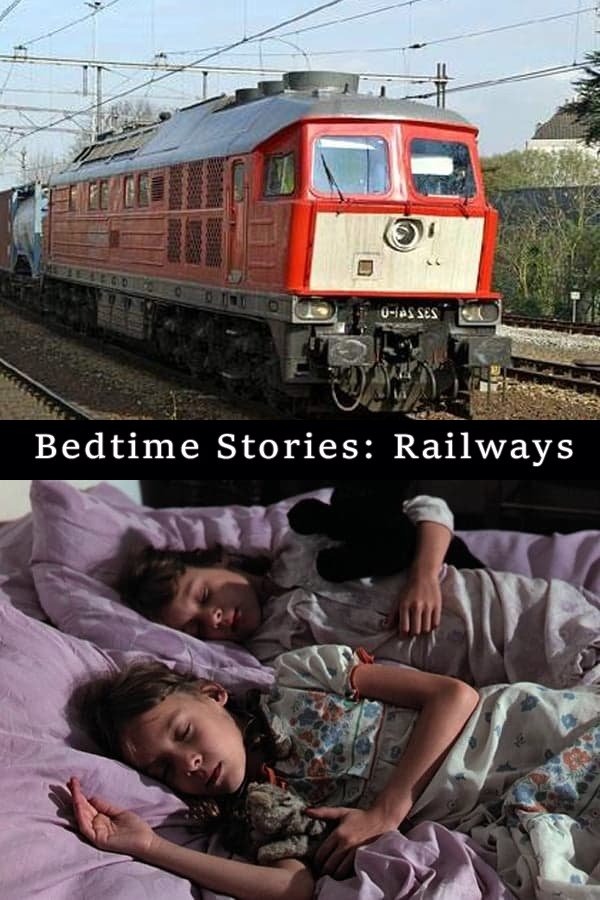
"As if pictures could think! Einschlafgeschichten doesn't really speak of bridges or railroads but rather of two girls filling the space between daytime and dreamtime with a poetic game, an endless game, a game with no end. A game which can fade out without becoming fragmentary. "Are you asleep?", one of them asks at the end of a clip – and the final shot is of the two, asleep; the game is over. The girls are played by Lara and Anna, Farocki's daughters." - Hans J. Wulff
Deep Play (2007) [Movie] TMDB NeoDB
Deep Play
director: Harun Farocki
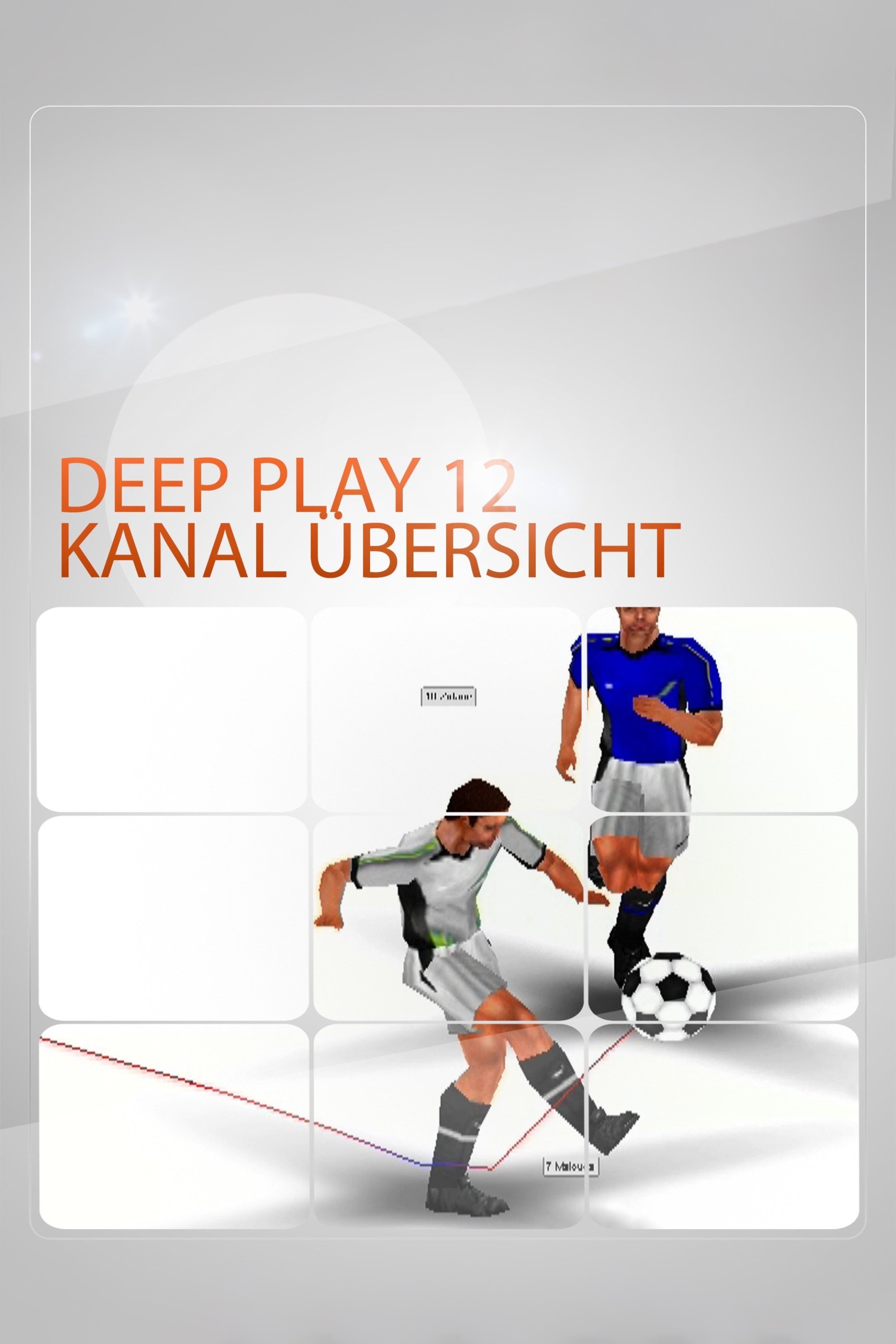
Harun Farocki’s work Deep Play is made up of various perspectives on the final of the 2006 World Cup.
The Words of the Chairman (2025) [Movie] WikiData IMDb TMDB
Die Worte des Vorsitzenden
director: Harun Farocki actor: Ursula Lefkes / Otto Schily
other title: Die Worte des Vorsitzenden
I was on a ship – this sounds like a novel: I had just embarked for Venezuela on June 2, 1967 as the Shah of Iran was arriving in West Berlin. There were protests, a student was shot, and a new form of opposition movement came into existence. The idea for this film came to me while I was still aboard the ship. The film is structured like a commercial. The film takes a metaphor literally: words can become weapons. However, it also shows that these weapons are made of paper. The weapon spoiled everything for the Shah and his wife, they are wearing paper bags on their heads with faces drawn on them – the kind of bags worn by Iranian students during demonstrations to hide their identity from the Savak, the Iranian Secret Service. When I showed this film to the audiences in the late 60s, it was highly praised. I think people understood then that over obviousness is also a form of irony. This capacity was lost a few years later. I think it's coming back today. –HF
Respite (2007) [Movie] TMDB IMDb WikiData
Aufschub
director: Harun Farocki
other title: Aufschub / Respiro
Respite consists of silent black-and-white film shot at Westerbork, a Dutch refugee camp established in 1939 for Jews fleeing Germany. In 1942, after the occupation of Holland, its function was reversed by the Nazis and it became a 'transit camp.' In 1944, the camp commander commissioned a film, shot by a photographer, Rudolph Breslauer. “By exhuming the scattered fragments and traces of the phantom film (intertitle cards, ideas for the scenario, graphic elements), Harun Farocki inscribes the Dutch footage within the genre of the corporate film.
The Expression of Hands (1997) [Movie] TMDB IMDb
Der Ausdruck der Hände
director: Harun Farocki actor: Harun Farocki
other title: Der Ausdruck der Hände
Historically, the cinema close-up was initially employed to convey emotions through facial expressions. But soon filmmakers also began focusing their attention on hands. Using film extracts, Farocki explores this visual language, its symbolism, Freudian slips, automatisms and its music. Often, hands betray an emotion which the face tries to dissimulate. They can also function as a conduit (exchanging money) or witness to a form of competence (work).
An Image (1983) [Movie] TMDB IMDb
Ein Bild
director: Harun Farocki
other title: Ein Bild
A documentation during four days of the creation of a Playboy magazine centerfold photograph from start to finish.
Before Your Eyes - Vietnam (1982) [Movie] TMDB IMDb
Etwas wird sichtbar
director: Harun Farocki actor: Bruno Ganz / Inga Humpe
other title: Etwas wird sichtbar
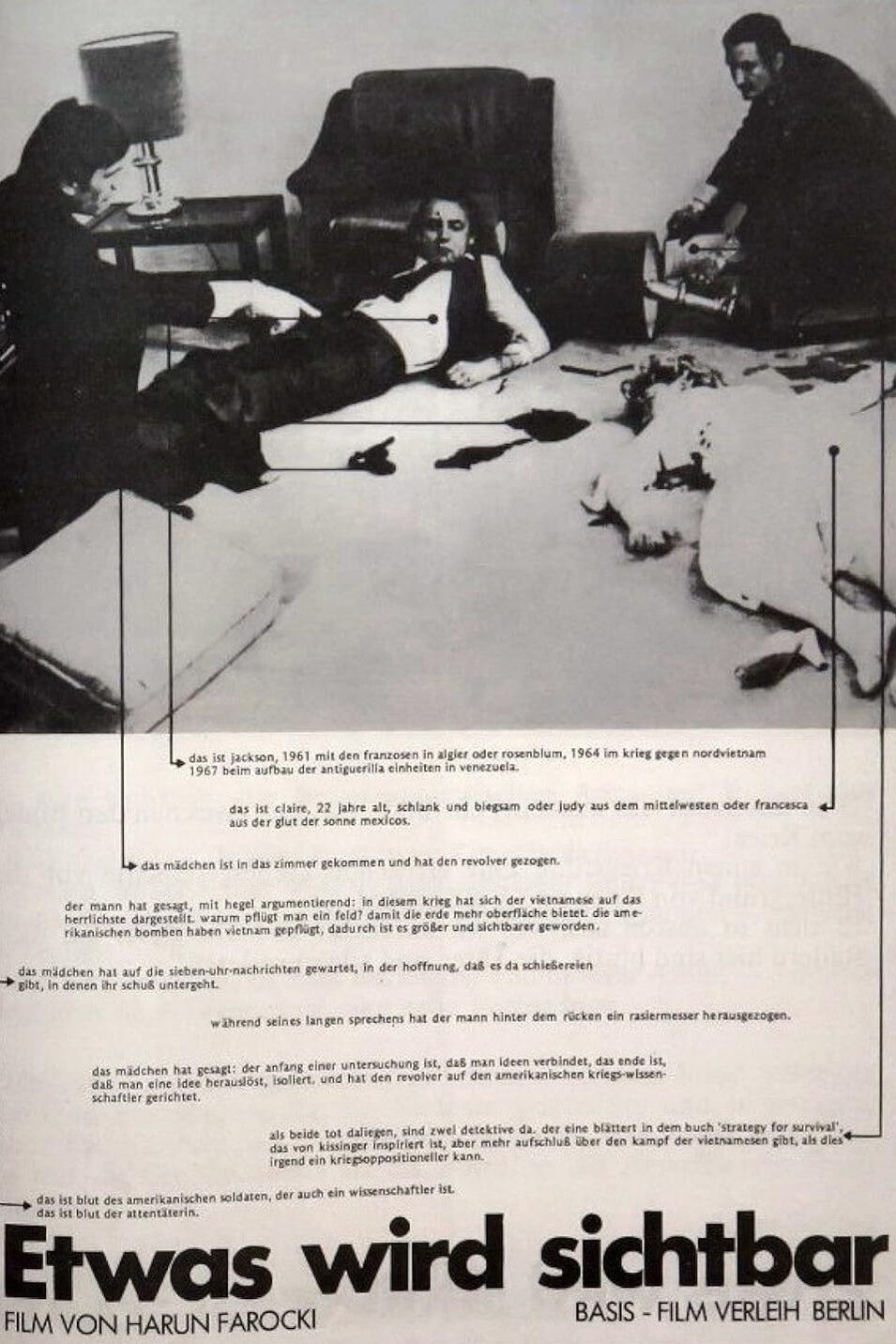
Before Your Eyes – Vietnam (1982) is an unconventional essay film by Harun Farocki that interrogates the visual and ideological legacy of the Vietnam War. Blending staged scenes, archival footage, photographs, and philosophical dialogue, the film follows various characters — including an American soldier captured by North Vietnamese villagers — as they reflect on violence, memory, and image-making. Set partly in West Berlin and partly in reconstructed spaces representing Vietnam, the film avoids traditional dramatic narrative in favor of a fragmented montage of voices, documents, and reenactments. Interweaving love stories, political debate, and historical commentary, Farocki creates a critical reflection on how war is represented, seen, and imagined, both in cinema and in public consciousness. The result is a complex meditation on images as weapons and instruments of perception.
About Narration (2025) [Movie] TMDB IMDb
Erzählen
director: Harun Farocki / Ingemo Engström actor: Avinho Barbeitov / Ingemo Engström
other title: Erzählen / Raconter
Interdisciplinary studies put into practice is a plane on which HaF's interests and mine coincide. Ideas of fictional research projects in films emerge very early on, or of film as research device, allowing people from different disciplines to come together and discover something, to pursue a line of thought, or just be adventurous. These ideas correspond to a tendency we both have of accumulating knowledge from different sciences, for example so as to bring exact sciences like medicine together with subjects which aren't directly aimed at application, such as religious studies or anthropology.
Everybody a Berliner Kindl (1966) [Movie] WikiData TMDB IMDb
Jeder ein Berliner Kindl
director: Harun Farocki
other title: Jeder ein Berliner Kindl
Advertising posters for the Berliner Kindl brewery in the stands of Berlin’s sports arena show beer drinkers through the ages, from an organ-grinder at the turn of the 20th century to a fashionable "Beatle wannabe". A critical analysis of the images leads to the parody motto "Berliner Kindl is a swindle".
A Picture of Sarah Schumann (1978) [Movie] TMDB IMDb
Ein Bild von Sarah Schumann
director: Harun Farocki actor: Sarah Schumann / Harun Farocki
other title: Ein Bild von Sarah Schumann
This Harun Farocki film shows the creation of a picture on which the artist worked for nine weeks. Sarah Schumann lives in Berlin and is a pioneer of the feminist scene. 1977 together with several other artists she organized the first large exhibition in which only work by women was shown. Sarah Schumann paints figuratively, that is to say she has developed a technique using layers of collage and painting worked on top of and into one another. Regarding a picture becomes an adventure. (harunfarocki.de)