Shūji Sano — Actor (24)
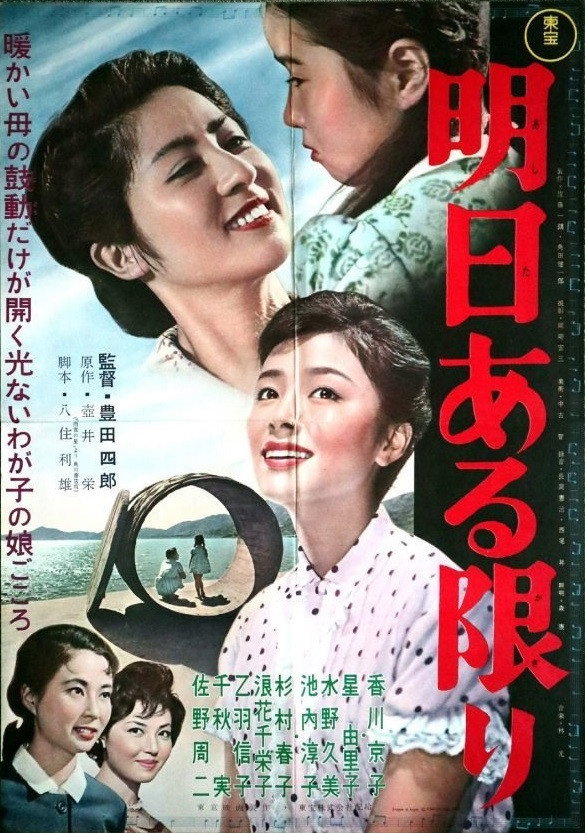
Till Tomorrow Is (1962) [Movie] IMDb TMDB
明日ある限り
director: Shirō Toyoda actor: Kyōko Kagawa / Shūji Sano
other title: 明日ある限り
Natsuko’s daughter Saori is born blind in 1941, just before her father is drafted. Despite an attempted surgery and years of struggle, her condition proves permanent. Growing up, she faces stigma and danger but eventually finds hope and love with a fellow blind student.
Tokyo Omnibus (1959) [Movie] TMDB
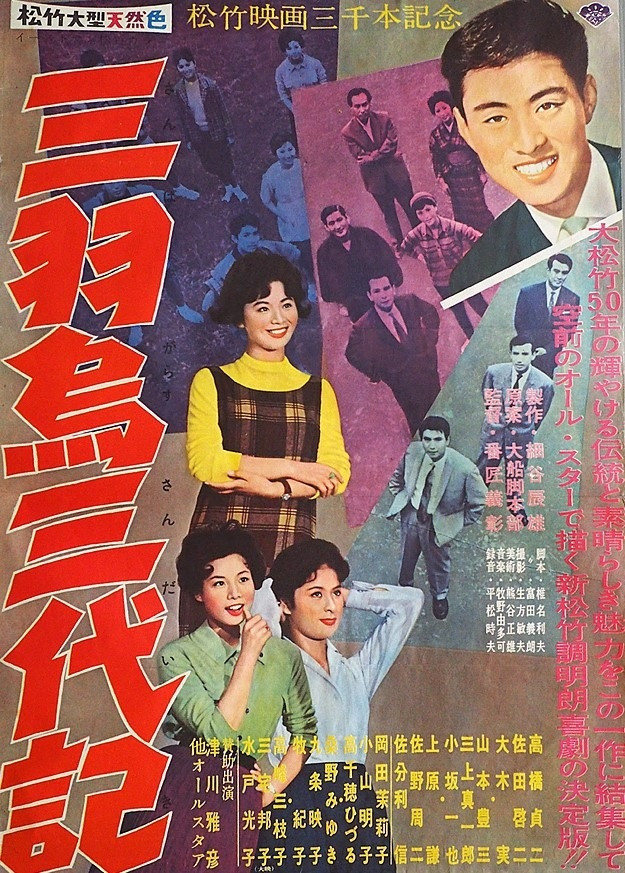
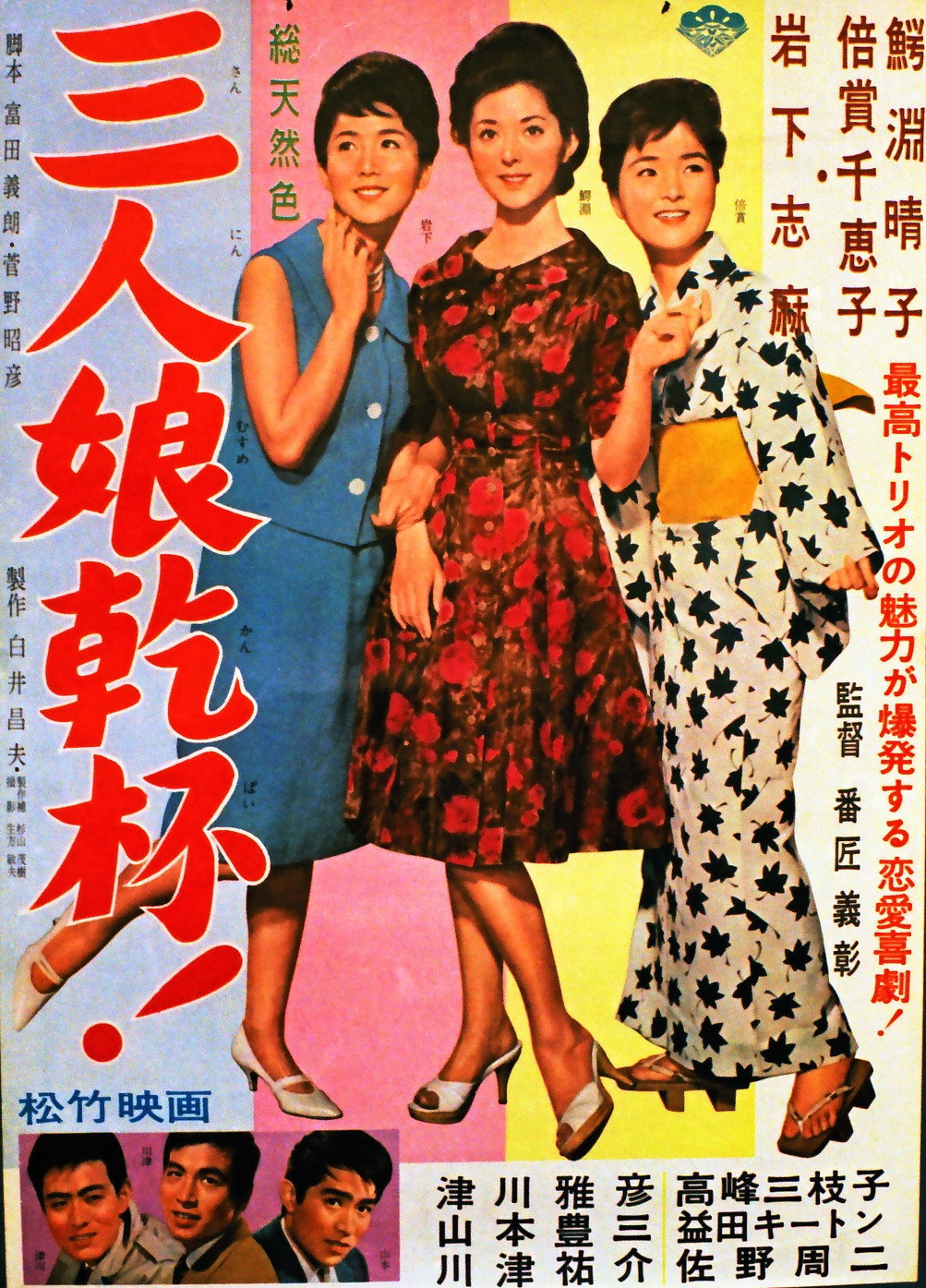
三羽烏三代記
other title: 三羽烏三代記
The story tells of Tsuchiya, a university professor and a widower who is in love with a widow who runs a small restaurant, and his son is in love with a runaway girl who turns out to be the leader of a religious sect. Kusano is the henpecked proprietor of a rice biscuit shop who dreams of owning a bird and dog shop and his daughter is in love with a boarder, employed by the private detective agency searching for the runaway girl. The agency head has his own dream of arranging thirty marriages and has already accomplished twenty-seven. Tatsumi is a newspaper reporter who dreams of a big scoop to enable him to marry a girl TV producer and his friend a mountain climbing enthusiast who dreams of joining a Himalayan expedition but is opposed by his wife. His love of the mountains is shared by a boarder in their home and by a fishmonger's son.
Pretty Devil Yoko (1966) [Movie] IMDb TMDB
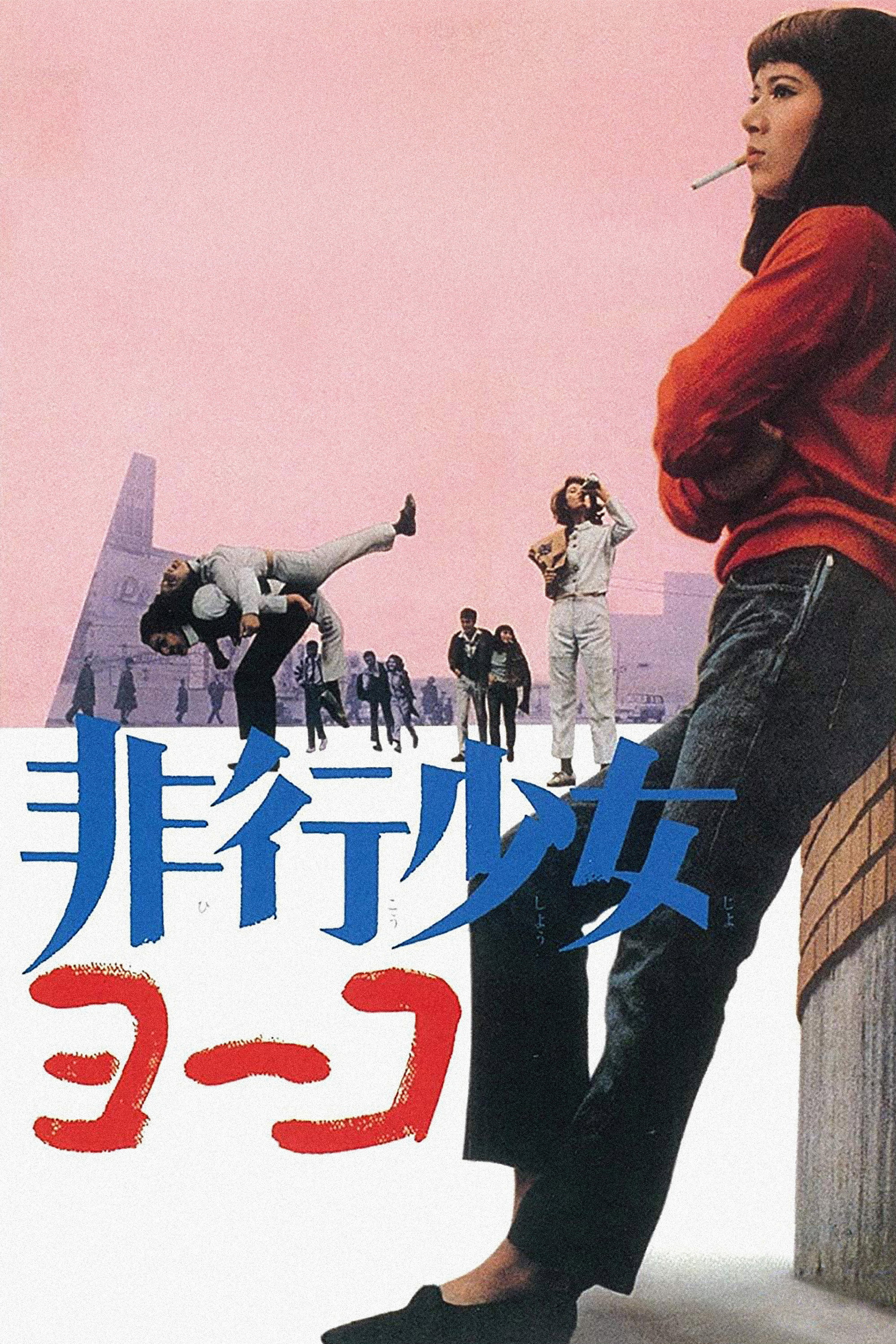
非行少女ヨーコ
director: Yasuo Furuhata actor: Mako Midori / Hayato Tani
other title: Yôko, a delinquente / 非行少女ヨーコ
Easily bored, but still innocent and naive countryside girl discovers partying in Tokyo is a ton of fun. Yakuza-to-be is an acquaintance who tries to rape her, and the typically bland but very-good-here the first boyfriend.
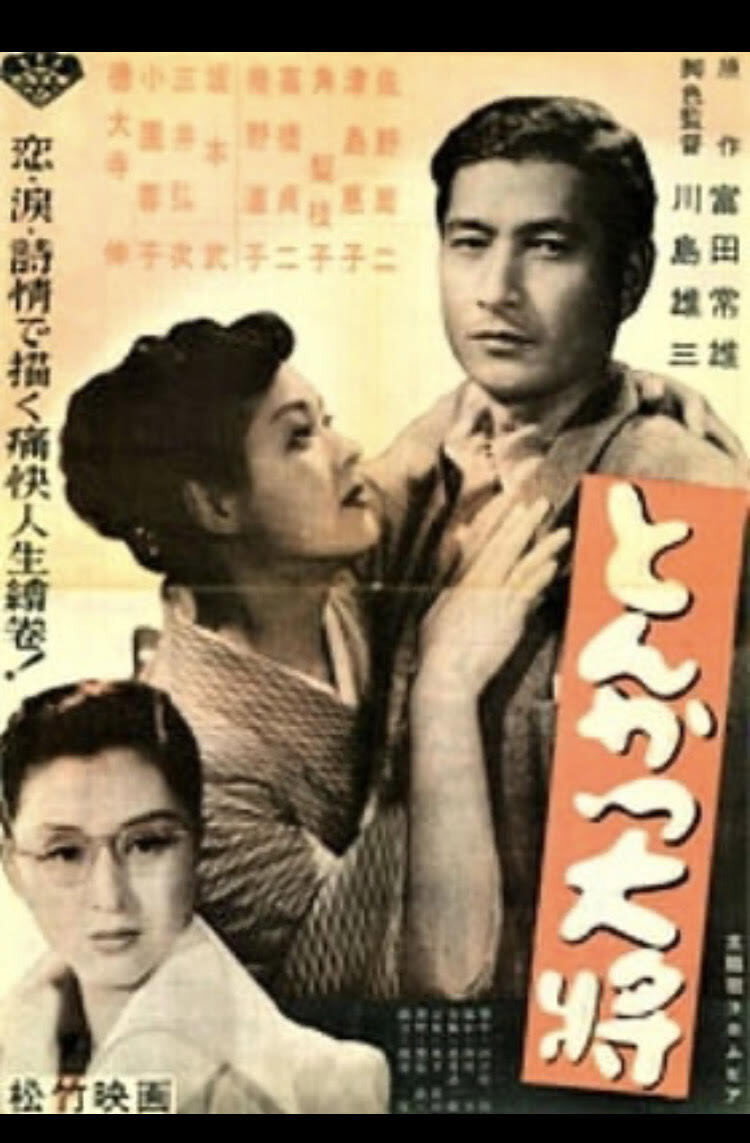
Our Chief, Our Doctor (1952) [Movie] TMDB IMDb WikiData
とんかつ大将
director: Yūzō Kawashima actor: Shūji Sano / Etsuko Miyama
other title: とんかつ大将
It chronicles the experiences of a neighbourhood doctor, whose taste for tonkatsu (a popular Japanese dish, similar to a pork schnitzel) earns him the nickname ‘the pork cutlet prince’ (‘Tonkatsu Taisho’, the film’s Japanese title) from the affectionate residents of the tenement in which he lives. When a local hospital, run by a female doctor, plans to expand, the future of the tenement is called into question.
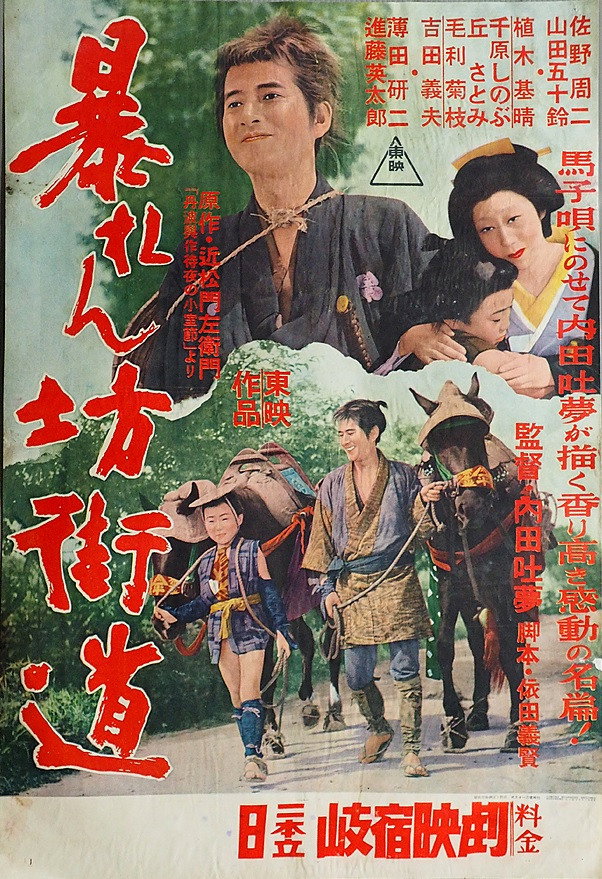
The Horse Boy (1957) [Movie] IMDb TMDB
暴れん坊街道
director: Tomu Uchida actor: Shūji Sano / Isuzu Yamada
other title: 暴れん坊街道
A humble page fathers a child by the daughter of a clan official and is banished. Years later, the child, now a stable boy, is reunited with his father, but feudal codes threaten their happiness. Uchida’s poignant masterpiece condemns the inflexible class system and launches an indictment of values that favor symbolic objects over human life. The film’s focus is on character rather than swordplay, and charged performances - especially child actor Motoharu Ueki - add to the emotional power.
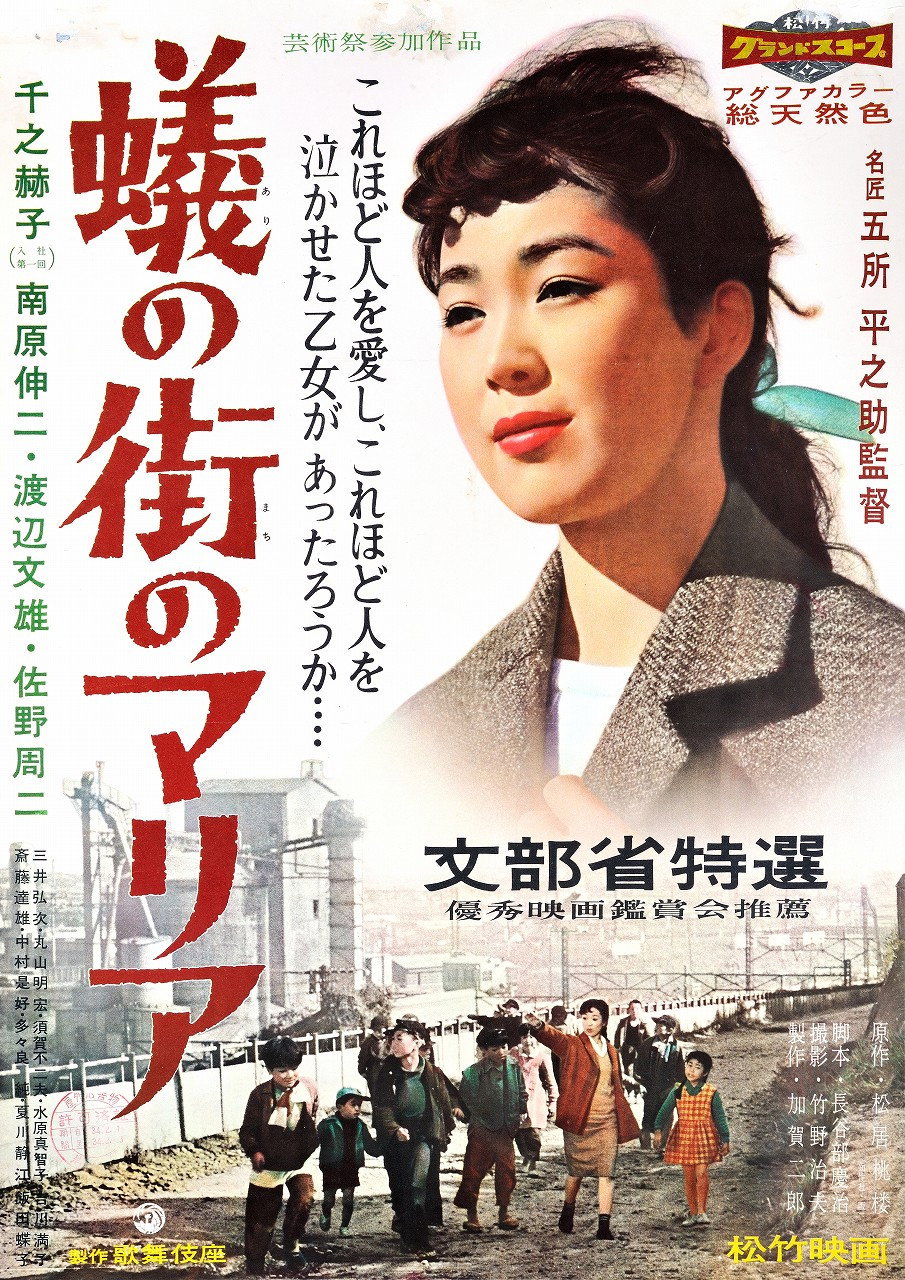
Maria of the Ant Village (1958) [Movie] IMDb TMDB
蟻の街のマリア
director: Heinosuke Gosho actor: Kakuko Chino / Kōji Nanbara
other title: 蟻の街のマリア
Alongside Tokyo's Sumida River is a ragpickers' settlement known as Ant Village. One night, a young Catholic girl, Satoko Kitahara, who has been baptized under the name of Maria, comes to offer her services. However, Ant Village is not just an ordinary vagrants' community but a fine autonomous organization, and as the municipal authorities have long been demanding that the people of Ant Village leave the site, Satoko is utilized to publicize the Village and win public sympathy. While being utilized in this manner, Satoko is nevertheless glad to be able to help the people of Ant Village, especially the children, and when the summer vacation comes she decides to take the children on an excursion to Hakone. To raise funds for this purpose she becomes a rag-picker herself.
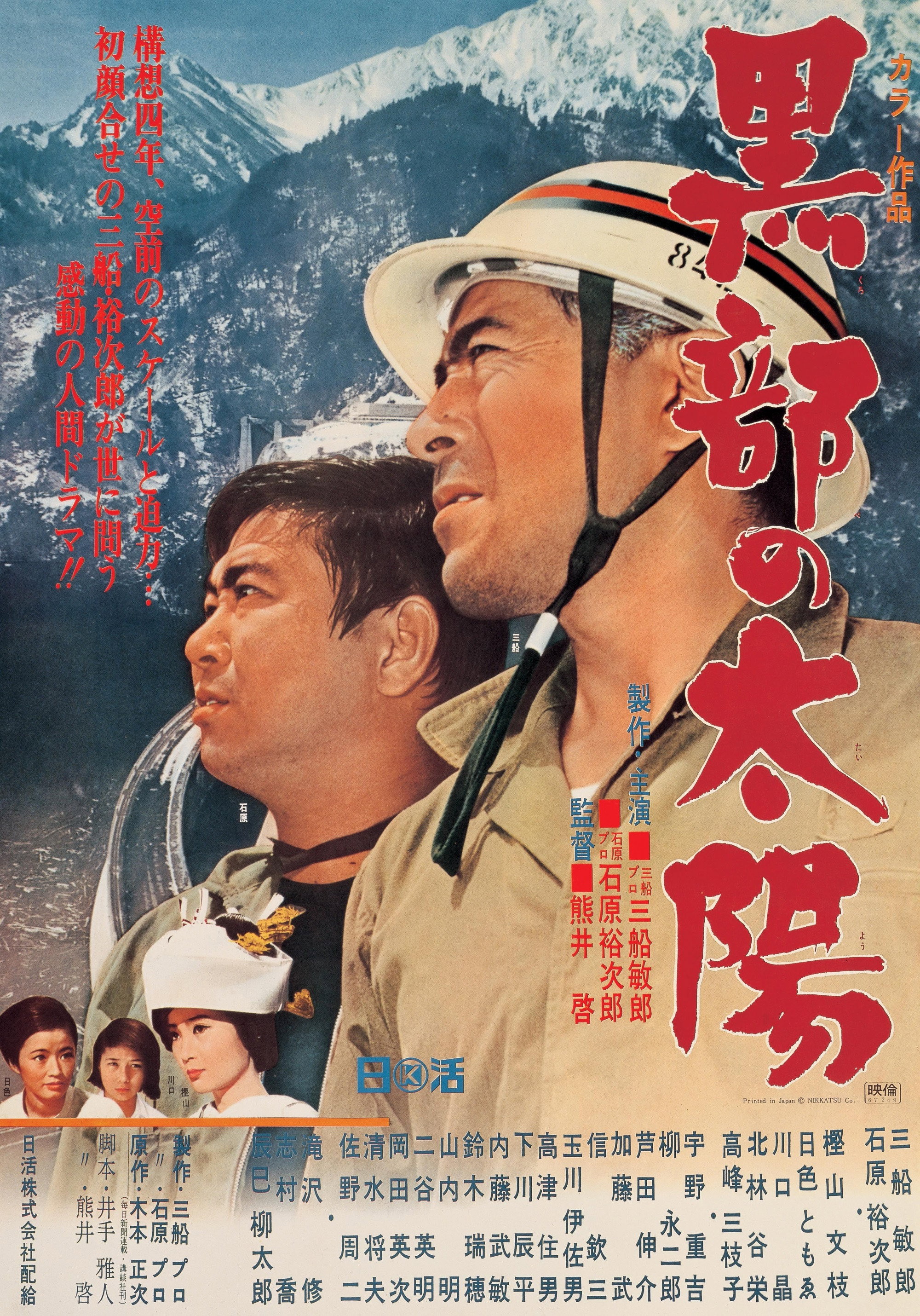
The Sands of Kurobe (1968) [Movie] TMDB IMDb WikiData
黒部の太陽
other title: Batalha no Abismo / Le Soleil de Kurobe
Kitagawa is an engineer charged with construction of a gigantic tunnel through the Japan Alps for the transportation of equipment in the building of the massive Kurobe Dam. The tunnel crosses an earthquake fault and Kitagawa is beleaguered not only by cave-ins and flooding, but by strife between management and the workers's union. Adding to Kitagawa's stress is the knowledge that as his attention is pulled inexorably toward the tunnel construction, his youngest daughter is dying from leukemia.