Donald Pleasence — Actor (73)
You Only Live Twice (1967) [Movie] NeoDB Douban IMDb TMDB WikiData
You Only Live Twice
director: Lewis Gilbert actor: Sean Connery / Akiko Wakabayashi
other title: Agente 007 - Si vive solo due volte / James Bond: Agent 007 - Du lever kun to gange
A mysterious spacecraft captures Russian and American space capsules and brings the two superpowers to the brink of war. James Bond investigates the case in Japan and comes face to face with his archenemy Blofeld.
Shadows and Fog (1991) [Movie] NeoDB Douban TMDB IMDb WikiData
Shadows and Fog
director: Woody Allen actor: Woody Allen / Mia Farrow
other title: Ombre e nebbia / Sombras e Nevoeiro
With a serial strangler on the loose, a bookkeeper wanders around town searching for the vigilante group intent on catching the killer.
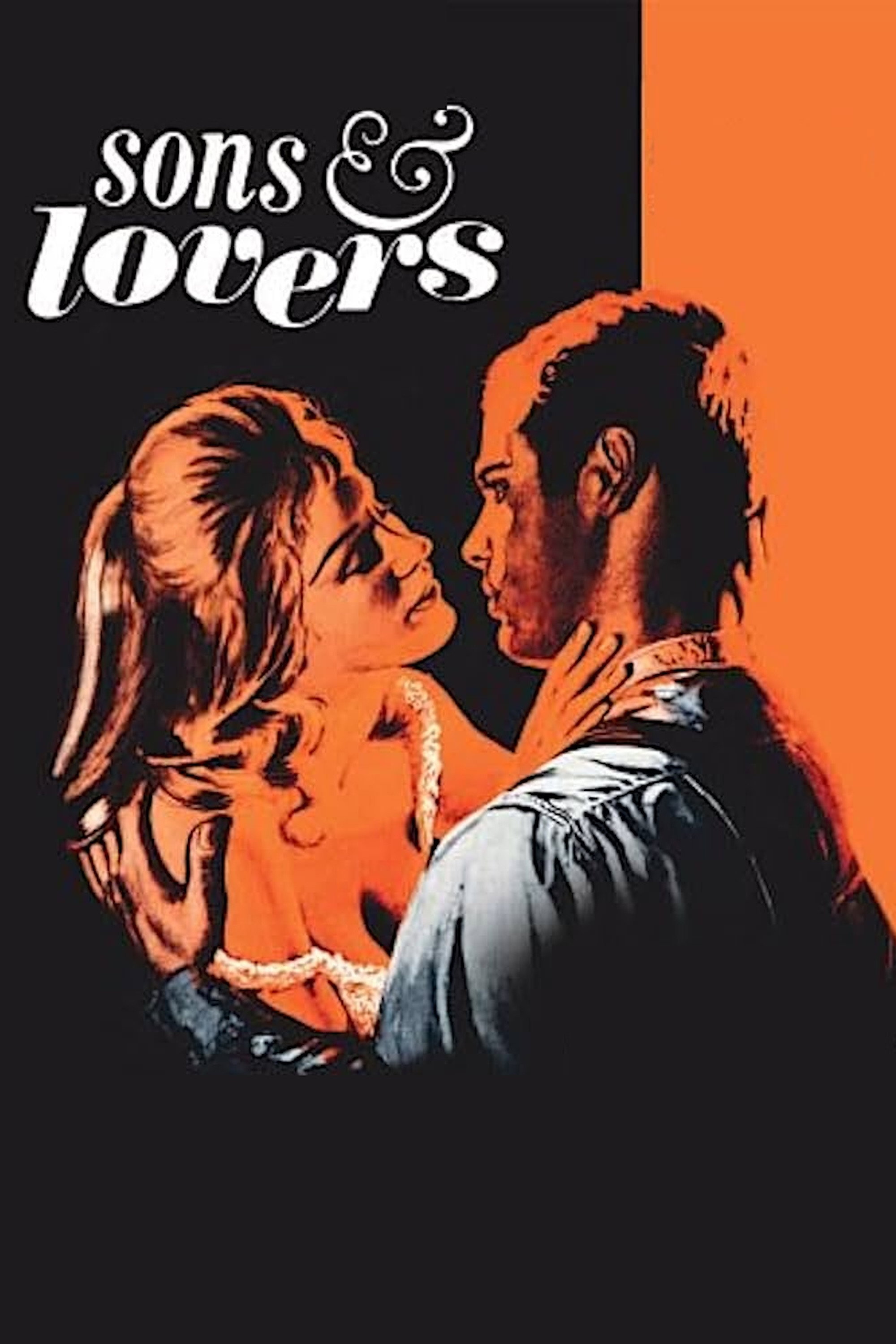
The Monster Club (1981) [Movie] Douban IMDb WikiData TMDB
The Monster Club
director: Roy Ward Baker actor: Vincent Price / John Carradine
other title: Il club dei mostri / Monster Club
A vampire attacks a horror author on the street and then invites him to a nearby club as a gesture of gratitude, which turns out to be a meeting place for assorted creatures of the night. The vampire then regales him with three stories, each interspersed with musical performances at the club.
Halloween II (1981) [Movie] TMDB IMDb NeoDB WikiData Douban
Halloween II
6.4 (5 ratings) director: Rick Rosenthal actor: Jamie Lee Curtis / Donald Pleasence
other title: Halloween II - Il signore della morte / Maskernes Nat 2
After failing to kill stubborn survivor Laurie and taking a bullet or six from former psychiatrist Dr. Sam Loomis, Michael Myers has followed Laurie to the Haddonfield Memorial Hospital, where she's been admitted for Myers' attempt on her life. The institution proves to be particularly suited to serial killers, however, as Myers cuts, stabs and slashes his way through hospital staff to reach his favorite victim.
Halloween (1978) [Movie] NeoDB IMDb TMDB Douban
Halloween
6.6 (16 ratings) director: John Carpenter actor: Donald Pleasence / Jamie Lee Curtis
other title: John Carpenter's Halloween / Halloween - La notte delle streghe
Fifteen years after murdering his sister on Halloween Night 1963, Michael Myers escapes from a mental hospital and returns to the small town of Haddonfield, Illinois to kill again.
The Hour of the Pig (1993) [Movie] NeoDB WikiData Douban IMDb
The Hour of the Pig
director: Leslie Megahey actor: Colin Firth / Ian Holm
other title: Pesthauch des Bösen / L'Heure du Cochon
In medieval France, young lawyer Richard Courtois leaves Paris for the simpler life in the country. However, he is soon drawn into amorous and political intrigues. At the same time, he is pushed to defend a pig, owned by the mysterious gypsy Samira. The pig has been arrested for the murder of a young boy.
Fantastic Voyage (1966) [Movie] NeoDB Douban TMDB IMDb
Fantastic Voyage
director: Richard Fleischer actor: Stephen Boyd / Raquel Welch
other title: Viaggio allucinante / Den fantastiske rejse
In order to save an assassinated scientist, a submarine and its crew are shrunk to microscopic size and injected into his bloodstream.
THX 1138 (1971) [Movie] TMDB IMDb Douban NeoDB WikiData
THX 1138
7.6 (5 ratings) director: George Lucas actor: Robert Duvall / Donald Pleasence
other title: L'uomo che fuggì dal futuro / THX-1138
People in the future live in a totalitarian society. A technician named THX 1138 lives a mundane life between work and taking a controlled consumption of drugs that the government uses to make puppets out of people. As THX is without drugs for the first time he has feelings for a woman and they start a secret relationship.
Escape from New York (1981) [Movie] TMDB WikiData IMDb NeoDB Douban
Escape from New York
6.5 (6 ratings) director: John Carpenter actor: Kurt Russell / Lee Van Cleef
other title: 1997: Fuga da New York / Flugtaktion New York
In a world ravaged by crime, the entire island of Manhattan has been converted into a walled prison where brutal prisoners roam free. After the US president crash-lands inside, war hero Snake Plissken has 24 hours to bring him back.
Circus of Horrors (1960) [Movie] IMDb TMDB
Circus of Horrors
director: Sidney Hayers actor: Anton Diffring / Erika Remberg
other title: Il circo degli orrori / Der rote Schatten
A plastic surgeon and his nurse join a bizarre circus to escape from the police. Here he befriends deformed women and transforms them for his "Temple of Beauty". However, when they threaten to leave, they meet with mysterious accidents.
The Caretaker [Performance] NeoDB Douban
genre: theater playwright: Harold Pinter
director: Donald McWhinnie / Kenneth Ives actor: Donald Pleasence / Alan Bates / Peter Woodthorpe / Robert Shaw / Jonathan Pryce
Act I

A night in winter

[Scene 1]

Aston has invited Davies, a homeless man, into his apartment after rescuing him from a bar fight (7–9). Davies comments on the apartment and criticizes the fact that it is cluttered and badly kept. Aston attempts to find a pair of shoes for Davies but Davies rejects all the offers. Once he turns down a pair that doesn’t fit well enough and another that has the wrong colour laces. Early on, Davies reveals to Aston that his real name is not "Bernard Jenkins", his "assumed name", but really "Mac Davies" (19–20, 25). He claims that his papers validating this fact are in Sidcup and that he must and will return there to retrieve them just as soon as he has a good pair of shoes. Aston and Davies discuss where he will sleep and the problem of the "bucket" attached to the ceiling to catch dripping rain water from the leaky roof (20–21) and Davies "gets into bed" while "ASTON sits, poking his [electrical] plug (21).

[Scene 2]
The LIGHTS FADE OUT. Darkness.

LIGHTS UP. Morning. (21) As Aston dresses for the day, Davies awakes with a start, and Aston informs Davies that he was kept up all night by Davies muttering in his sleep. Davies denies that he made any noise and blames the racket on the neighbors, revealing his fear of foreigners: "I tell you what, maybe it were them Blacks" (23). Aston informs Davies that he is going out but invites him to stay if he likes, indicating that he trusts him (23–24), something unexpected by Davies; for, as soon as Aston does leave the room (27), Davies begins rummaging through Aston's "stuff" (27–28) but he is interrupted when Mick, Aston’s brother, unexpectedly arrives, "moves upstage, silently," "slides across the room" and then suddenly "seizes Davies' "arm and forces it up his back," in response to which "DAVIES screams," and they engage in a minutely-choreographed struggle, which Mick wins (28–29), ending Act One with the "Curtain" line, "What's the game?" (29).
Act II

[Scene 1]
A few seconds later

Mick demands to know Davies' name, which the latter gives as "Jenkins" (30), interrogates him about how well he slept the night before (30), wonders whether or not Davies is actually "a foreigner"—to which Davies retorts that he "was" indeed (in Mick's phrase) "Born and bred in the British Isles" (33)—going on to accuse Davies of being "an old robber […] an old skate" who is "stinking the place out" (35), and spinning a verbal web full of banking jargon designed to confuse Davies, while stating, hyperbolically, that his brother Aston is "a number one decorator" (36), either an outright lie or self-deceptive wishful thinking on his part. Just as Mick reaches the climactic line of his diatribe geared to put the old tramp off balance—"Who do you bank with?" (36), Aston enters with a "bag" ostensibly for Davies, and the brothers debate how to fix the leaking roof and Davies interrupts to inject the more practical question: "What do you do . . . when that bucket's full?" (37) and Aston simply says, "Empty it" (37). The three battle over the "bag" that Aston has brought Davies, one of the most comic and often-cited Beckettian routines in the play (38–39). After Mick leaves, and Davies recognises him to be "a real joker, that lad" (40), they discuss Mick's work in "the building trade" and Davies ultimately discloses that the bag they have fought over and that he was so determined to hold on to "ain't my bag" at all (41). Aston offers Davies the job of Caretaker, (42–43), leading to Davies' various assorted animadversions about the dangers that he faces for "going under an assumed name" and possibly being found out by anyone who might "ring the bell called Caretaker" (44).

[Scene 2]

THE LIGHTS FADE TO BLACKOUT.
THEN UP TO DIM LIGHT THROUGH THE WINDOW.
A door bangs.
Sound of a key in the door of the room.
DAVIES enters, closes the door, and tries the light switch, on, off, on, off.

It appears to Davies that "the damn light's gone now," but, it becomes clear that Mick has sneaked back into the room in the dark and removed the bulb; he starts up "the electrolux" and scares Davies almost witless before claiming "I was just doing some spring cleaning" and returning the bulb to its socket (45). After a discussion with Davies about the place being his "responsibility" and his ambitions to fix it up, Mick also offers Davies the job of "caretaker" (46–50), but pushes his luck with Mick when he observes negative things about Aston, like the idea that he "doesn't like work" or is "a bit of a funny bloke" for "Not liking work" (Davies' camouflage of what he really is referring to), leading Mick to observe that Davies is "getting hypocritical" and "too glib" (50), and they turn to the absurd details of "a small financial agreement" relating to Davies' possibly doing "a bit of caretaking" or "looking after the place" for Mick (51), and then back to the inevitable call for "references" and the perpetually-necessary trip to Sidcup to get Davies' identity "papers" (51–52).

[Scene 3]
Morning

Davies wakes up and complains to Aston about how badly he slept. He blames various aspects of the apartment's set up. Aston suggests adjustments but Davies proves to be callous and inflexible. Aston tells the story of how he was checked into a mental hospital and given electric shock therapy, but when he tried to escape from the hospital he was shocked while standing, leaving him with permanent brain damage; he ends by saying, "I've often thought of going back and trying to find the man who did that to me. But I want to do something first. I want to build that shed out in the garden" (54–57). Critics regard Aston's monologue, the longest of the play, as the "climax" of the plot.[3] In dramaturgical terms, what follows is part of the plot's "falling action".
Act III

[Scene 1]
Two weeks later [… ]Afternoon.

Davies and Mick discuss the apartment. Mick relates "(ruminatively)" in great detail what he would do to redecorate it (60). When asked who "would live there," Mick's response "My brother and me" leads Davies to complain about Aston's inability to be social and just about every other aspect of Aston's behaviour (61–63). Though initially invited to be a "caretaker," first by Aston and then by Mick, he begins to ingratiate himself with Mick, who acts as if he were an unwitting accomplice in Davies' eventual conspiracy to take over and fix up the apartment without Aston's involvement (64) an outright betrayal of the brother who actually took him in and attempted to find his "belongings"; but just then Aston enters and gives Davies yet another pair of shoes which he grudgingly accepts, speaking of "going down to Sidcup" in order "to get" his "papers" again (65–66).

[Scene 2]
That night

Davies brings up his plan when talking to Aston, whom he insults by throwing back in his face the details of his treatment in the mental institution (66–67), leading Aston, in a vast understatement, to respond: "I . . . I think it's about time you found somewhere else. I don't think we're hitting it off" (68). When finally threatened by Davies pointing a knife at him, Aston tells Davies to leave: "Get your stuff" (69). Davies, outraged, claims that Mick will take his side and kick Aston out instead and leaves in a fury, concluding (mistakenly): "Now I know who I can trust" (69).

[Scene 3]
Later

Davies reenters with Mick explaining the fight that occurred earlier and complaining still more bitterly about Mick's brother, Aston (70–71). Eventually, Mick takes Aston's side, beginning with the observation "You get a bit out of your depth sometimes, don't you?" (71). Mick forces Davies to disclose that his "real name" is Davies and his "assumed name" is "Jenkins" and, after Davies calls Aston "nutty", Mick appears to take offense at what he terms Davies' "impertinent thing to say," concludes, "I'm compelled to pay you off for your caretaking work. Here's half a dollar," and stresses his need to turn back to his own "business" affairs (74). When Aston comes back into the apartment, the brothers face each other," "They look at each other. Both are smiling, faintly" (75). Using the excuse of having returned for his "pipe" (given to him earlier through the generosity of Aston), Davies turns to beg Aston to let him stay (75–77). But Aston rebuffs each of Davies' rationalisations of his past complaints (75–76). The play ends with a "Long silence" as Aston, who "remains still, his back to him [Davies], at the window, apparently unrelenting as he gazes at his garden and makes no response at all to Davies' futile plea, which is sprinkled with many dots (". . .") of elliptical hesitations (77–78).
The Caretaker 1960 London版 [Performance] Douban
part of Performance: The Caretaker
theater: Arts Theatre director: Donald McWhinnie
other title: 1960 London版 playwright: Harold Pinter actor: Donald Pleasence / Alan Bates
Act I

A night in winter

[Scene 1]

Aston has invited Davies, a homeless man, into his apartment after rescuing him from a bar fight (7–9). Davies comments on the apartment and criticizes the fact that it is cluttered and badly kept. Aston attempts to find a pair of shoes for Davies but Davies rejects all the offers. Once he turns down a pair that doesn’t fit well enough and another that has the wrong colour laces. Early on, Davies reveals to Aston that his real name is not "Bernard Jenkins", his "assumed name", but really "Mac Davies" (19–20, 25). He claims that his papers validating this fact are in Sidcup and that he must and will return there to retrieve them just as soon as he has a good pair of shoes. Aston and Davies discuss where he will sleep and the problem of the "bucket" attached to the ceiling to catch dripping rain water from the leaky roof (20–21) and Davies "gets into bed" while "ASTON sits, poking his [electrical] plug (21).

[Scene 2]
The LIGHTS FADE OUT. Darkness.

LIGHTS UP. Morning. (21) As Aston dresses for the day, Davies awakes with a start, and Aston informs Davies that he was kept up all night by Davies muttering in his sleep. Davies denies that he made any noise and blames the racket on the neighbors, revealing his fear of foreigners: "I tell you what, maybe it were them Blacks" (23). Aston informs Davies that he is going out but invites him to stay if he likes, indicating that he trusts him (23–24), something unexpected by Davies; for, as soon as Aston does leave the room (27), Davies begins rummaging through Aston's "stuff" (27–28) but he is interrupted when Mick, Aston’s brother, unexpectedly arrives, "moves upstage, silently," "slides across the room" and then suddenly "seizes Davies' "arm and forces it up his back," in response to which "DAVIES screams," and they engage in a minutely-choreographed struggle, which Mick wins (28–29), ending Act One with the "Curtain" line, "What's the game?" (29).
Act II

[Scene 1]
A few seconds later

Mick demands to know Davies' name, which the latter gives as "Jenkins" (30), interrogates him about how well he slept the night before (30), wonders whether or not Davies is actually "a foreigner"—to which Davies retorts that he "was" indeed (in Mick's phrase) "Born and bred in the British Isles" (33)—going on to accuse Davies of being "an old robber […] an old skate" who is "stinking the place out" (35), and spinning a verbal web full of banking jargon designed to confuse Davies, while stating, hyperbolically, that his brother Aston is "a number one decorator" (36), either an outright lie or self-deceptive wishful thinking on his part. Just as Mick reaches the climactic line of his diatribe geared to put the old tramp off balance—"Who do you bank with?" (36), Aston enters with a "bag" ostensibly for Davies, and the brothers debate how to fix the leaking roof and Davies interrupts to inject the more practical question: "What do you do . . . when that bucket's full?" (37) and Aston simply says, "Empty it" (37). The three battle over the "bag" that Aston has brought Davies, one of the most comic and often-cited Beckettian routines in the play (38–39). After Mick leaves, and Davies recognises him to be "a real joker, that lad" (40), they discuss Mick's work in "the building trade" and Davies ultimately discloses that the bag they have fought over and that he was so determined to hold on to "ain't my bag" at all (41). Aston offers Davies the job of Caretaker, (42–43), leading to Davies' various assorted animadversions about the dangers that he faces for "going under an assumed name" and possibly being found out by anyone who might "ring the bell called Caretaker" (44).

[Scene 2]

THE LIGHTS FADE TO BLACKOUT.
THEN UP TO DIM LIGHT THROUGH THE WINDOW.
A door bangs.
Sound of a key in the door of the room.
DAVIES enters, closes the door, and tries the light switch, on, off, on, off.

It appears to Davies that "the damn light's gone now," but, it becomes clear that Mick has sneaked back into the room in the dark and removed the bulb; he starts up "the electrolux" and scares Davies almost witless before claiming "I was just doing some spring cleaning" and returning the bulb to its socket (45). After a discussion with Davies about the place being his "responsibility" and his ambitions to fix it up, Mick also offers Davies the job of "caretaker" (46–50), but pushes his luck with Mick when he observes negative things about Aston, like the idea that he "doesn't like work" or is "a bit of a funny bloke" for "Not liking work" (Davies' camouflage of what he really is referring to), leading Mick to observe that Davies is "getting hypocritical" and "too glib" (50), and they turn to the absurd details of "a small financial agreement" relating to Davies' possibly doing "a bit of caretaking" or "looking after the place" for Mick (51), and then back to the inevitable call for "references" and the perpetually-necessary trip to Sidcup to get Davies' identity "papers" (51–52).

[Scene 3]
Morning

Davies wakes up and complains to Aston about how badly he slept. He blames various aspects of the apartment's set up. Aston suggests adjustments but Davies proves to be callous and inflexible. Aston tells the story of how he was checked into a mental hospital and given electric shock therapy, but when he tried to escape from the hospital he was shocked while standing, leaving him with permanent brain damage; he ends by saying, "I've often thought of going back and trying to find the man who did that to me. But I want to do something first. I want to build that shed out in the garden" (54–57). Critics regard Aston's monologue, the longest of the play, as the "climax" of the plot.[3] In dramaturgical terms, what follows is part of the plot's "falling action".
Act III

[Scene 1]
Two weeks later [… ]Afternoon.

Davies and Mick discuss the apartment. Mick relates "(ruminatively)" in great detail what he would do to redecorate it (60). When asked who "would live there," Mick's response "My brother and me" leads Davies to complain about Aston's inability to be social and just about every other aspect of Aston's behaviour (61–63). Though initially invited to be a "caretaker," first by Aston and then by Mick, he begins to ingratiate himself with Mick, who acts as if he were an unwitting accomplice in Davies' eventual conspiracy to take over and fix up the apartment without Aston's involvement (64) an outright betrayal of the brother who actually took him in and attempted to find his "belongings"; but just then Aston enters and gives Davies yet another pair of shoes which he grudgingly accepts, speaking of "going down to Sidcup" in order "to get" his "papers" again (65–66).

[Scene 2]
That night

Davies brings up his plan when talking to Aston, whom he insults by throwing back in his face the details of his treatment in the mental institution (66–67), leading Aston, in a vast understatement, to respond: "I . . . I think it's about time you found somewhere else. I don't think we're hitting it off" (68). When finally threatened by Davies pointing a knife at him, Aston tells Davies to leave: "Get your stuff" (69). Davies, outraged, claims that Mick will take his side and kick Aston out instead and leaves in a fury, concluding (mistakenly): "Now I know who I can trust" (69).

[Scene 3]
Later

Davies reenters with Mick explaining the fight that occurred earlier and complaining still more bitterly about Mick's brother, Aston (70–71). Eventually, Mick takes Aston's side, beginning with the observation "You get a bit out of your depth sometimes, don't you?" (71). Mick forces Davies to disclose that his "real name" is Davies and his "assumed name" is "Jenkins" and, after Davies calls Aston "nutty", Mick appears to take offense at what he terms Davies' "impertinent thing to say," concludes, "I'm compelled to pay you off for your caretaking work. Here's half a dollar," and stresses his need to turn back to his own "business" affairs (74). When Aston comes back into the apartment, the brothers face each other," "They look at each other. Both are smiling, faintly" (75). Using the excuse of having returned for his "pipe" (given to him earlier through the generosity of Aston), Davies turns to beg Aston to let him stay (75–77). But Aston rebuffs each of Davies' rationalisations of his past complaints (75–76). The play ends with a "Long silence" as Aston, who "remains still, his back to him [Davies], at the window, apparently unrelenting as he gazes at his garden and makes no response at all to Davies' futile plea, which is sprinkled with many dots (". . .") of elliptical hesitations (77–78).
The Caretaker 1962 New York版 [Performance] Douban
part of Performance: The Caretaker
theater: Lyceum Theatre director: Donald McWhinnie
other title: 1962 New York版 playwright: Harold Pinter actor: Alan Bates / Donald Pleasence
Act I

A night in winter

[Scene 1]

Aston has invited Davies, a homeless man, into his apartment after rescuing him from a bar fight (7–9). Davies comments on the apartment and criticizes the fact that it is cluttered and badly kept. Aston attempts to find a pair of shoes for Davies but Davies rejects all the offers. Once he turns down a pair that doesn’t fit well enough and another that has the wrong colour laces. Early on, Davies reveals to Aston that his real name is not "Bernard Jenkins", his "assumed name", but really "Mac Davies" (19–20, 25). He claims that his papers validating this fact are in Sidcup and that he must and will return there to retrieve them just as soon as he has a good pair of shoes. Aston and Davies discuss where he will sleep and the problem of the "bucket" attached to the ceiling to catch dripping rain water from the leaky roof (20–21) and Davies "gets into bed" while "ASTON sits, poking his [electrical] plug (21).

[Scene 2]
The LIGHTS FADE OUT. Darkness.

LIGHTS UP. Morning. (21) As Aston dresses for the day, Davies awakes with a start, and Aston informs Davies that he was kept up all night by Davies muttering in his sleep. Davies denies that he made any noise and blames the racket on the neighbors, revealing his fear of foreigners: "I tell you what, maybe it were them Blacks" (23). Aston informs Davies that he is going out but invites him to stay if he likes, indicating that he trusts him (23–24), something unexpected by Davies; for, as soon as Aston does leave the room (27), Davies begins rummaging through Aston's "stuff" (27–28) but he is interrupted when Mick, Aston’s brother, unexpectedly arrives, "moves upstage, silently," "slides across the room" and then suddenly "seizes Davies' "arm and forces it up his back," in response to which "DAVIES screams," and they engage in a minutely-choreographed struggle, which Mick wins (28–29), ending Act One with the "Curtain" line, "What's the game?" (29).
Act II

[Scene 1]
A few seconds later

Mick demands to know Davies' name, which the latter gives as "Jenkins" (30), interrogates him about how well he slept the night before (30), wonders whether or not Davies is actually "a foreigner"—to which Davies retorts that he "was" indeed (in Mick's phrase) "Born and bred in the British Isles" (33)—going on to accuse Davies of being "an old robber […] an old skate" who is "stinking the place out" (35), and spinning a verbal web full of banking jargon designed to confuse Davies, while stating, hyperbolically, that his brother Aston is "a number one decorator" (36), either an outright lie or self-deceptive wishful thinking on his part. Just as Mick reaches the climactic line of his diatribe geared to put the old tramp off balance—"Who do you bank with?" (36), Aston enters with a "bag" ostensibly for Davies, and the brothers debate how to fix the leaking roof and Davies interrupts to inject the more practical question: "What do you do . . . when that bucket's full?" (37) and Aston simply says, "Empty it" (37). The three battle over the "bag" that Aston has brought Davies, one of the most comic and often-cited Beckettian routines in the play (38–39). After Mick leaves, and Davies recognises him to be "a real joker, that lad" (40), they discuss Mick's work in "the building trade" and Davies ultimately discloses that the bag they have fought over and that he was so determined to hold on to "ain't my bag" at all (41). Aston offers Davies the job of Caretaker, (42–43), leading to Davies' various assorted animadversions about the dangers that he faces for "going under an assumed name" and possibly being found out by anyone who might "ring the bell called Caretaker" (44).

[Scene 2]

THE LIGHTS FADE TO BLACKOUT.
THEN UP TO DIM LIGHT THROUGH THE WINDOW.
A door bangs.
Sound of a key in the door of the room.
DAVIES enters, closes the door, and tries the light switch, on, off, on, off.

It appears to Davies that "the damn light's gone now," but, it becomes clear that Mick has sneaked back into the room in the dark and removed the bulb; he starts up "the electrolux" and scares Davies almost witless before claiming "I was just doing some spring cleaning" and returning the bulb to its socket (45). After a discussion with Davies about the place being his "responsibility" and his ambitions to fix it up, Mick also offers Davies the job of "caretaker" (46–50), but pushes his luck with Mick when he observes negative things about Aston, like the idea that he "doesn't like work" or is "a bit of a funny bloke" for "Not liking work" (Davies' camouflage of what he really is referring to), leading Mick to observe that Davies is "getting hypocritical" and "too glib" (50), and they turn to the absurd details of "a small financial agreement" relating to Davies' possibly doing "a bit of caretaking" or "looking after the place" for Mick (51), and then back to the inevitable call for "references" and the perpetually-necessary trip to Sidcup to get Davies' identity "papers" (51–52).

[Scene 3]
Morning

Davies wakes up and complains to Aston about how badly he slept. He blames various aspects of the apartment's set up. Aston suggests adjustments but Davies proves to be callous and inflexible. Aston tells the story of how he was checked into a mental hospital and given electric shock therapy, but when he tried to escape from the hospital he was shocked while standing, leaving him with permanent brain damage; he ends by saying, "I've often thought of going back and trying to find the man who did that to me. But I want to do something first. I want to build that shed out in the garden" (54–57). Critics regard Aston's monologue, the longest of the play, as the "climax" of the plot.[3] In dramaturgical terms, what follows is part of the plot's "falling action".
Act III

[Scene 1]
Two weeks later [… ]Afternoon.

Davies and Mick discuss the apartment. Mick relates "(ruminatively)" in great detail what he would do to redecorate it (60). When asked who "would live there," Mick's response "My brother and me" leads Davies to complain about Aston's inability to be social and just about every other aspect of Aston's behaviour (61–63). Though initially invited to be a "caretaker," first by Aston and then by Mick, he begins to ingratiate himself with Mick, who acts as if he were an unwitting accomplice in Davies' eventual conspiracy to take over and fix up the apartment without Aston's involvement (64) an outright betrayal of the brother who actually took him in and attempted to find his "belongings"; but just then Aston enters and gives Davies yet another pair of shoes which he grudgingly accepts, speaking of "going down to Sidcup" in order "to get" his "papers" again (65–66).

[Scene 2]
That night

Davies brings up his plan when talking to Aston, whom he insults by throwing back in his face the details of his treatment in the mental institution (66–67), leading Aston, in a vast understatement, to respond: "I . . . I think it's about time you found somewhere else. I don't think we're hitting it off" (68). When finally threatened by Davies pointing a knife at him, Aston tells Davies to leave: "Get your stuff" (69). Davies, outraged, claims that Mick will take his side and kick Aston out instead and leaves in a fury, concluding (mistakenly): "Now I know who I can trust" (69).

[Scene 3]
Later

Davies reenters with Mick explaining the fight that occurred earlier and complaining still more bitterly about Mick's brother, Aston (70–71). Eventually, Mick takes Aston's side, beginning with the observation "You get a bit out of your depth sometimes, don't you?" (71). Mick forces Davies to disclose that his "real name" is Davies and his "assumed name" is "Jenkins" and, after Davies calls Aston "nutty", Mick appears to take offense at what he terms Davies' "impertinent thing to say," concludes, "I'm compelled to pay you off for your caretaking work. Here's half a dollar," and stresses his need to turn back to his own "business" affairs (74). When Aston comes back into the apartment, the brothers face each other," "They look at each other. Both are smiling, faintly" (75). Using the excuse of having returned for his "pipe" (given to him earlier through the generosity of Aston), Davies turns to beg Aston to let him stay (75–77). But Aston rebuffs each of Davies' rationalisations of his past complaints (75–76). The play ends with a "Long silence" as Aston, who "remains still, his back to him [Davies], at the window, apparently unrelenting as he gazes at his garden and makes no response at all to Davies' futile plea, which is sprinkled with many dots (". . .") of elliptical hesitations (77–78).
The Caretaker 1991 London版 [Performance] Douban
part of Performance: The Caretaker
theater: Comedy Theatre director: Harold Pinter
other title: 1991 London版 playwright: Harold Pinter actor: Donald Pleasence / Peter Howitt
Act I

A night in winter

[Scene 1]

Aston has invited Davies, a homeless man, into his apartment after rescuing him from a bar fight (7–9). Davies comments on the apartment and criticizes the fact that it is cluttered and badly kept. Aston attempts to find a pair of shoes for Davies but Davies rejects all the offers. Once he turns down a pair that doesn’t fit well enough and another that has the wrong colour laces. Early on, Davies reveals to Aston that his real name is not "Bernard Jenkins", his "assumed name", but really "Mac Davies" (19–20, 25). He claims that his papers validating this fact are in Sidcup and that he must and will return there to retrieve them just as soon as he has a good pair of shoes. Aston and Davies discuss where he will sleep and the problem of the "bucket" attached to the ceiling to catch dripping rain water from the leaky roof (20–21) and Davies "gets into bed" while "ASTON sits, poking his [electrical] plug (21).

[Scene 2]
The LIGHTS FADE OUT. Darkness.

LIGHTS UP. Morning. (21) As Aston dresses for the day, Davies awakes with a start, and Aston informs Davies that he was kept up all night by Davies muttering in his sleep. Davies denies that he made any noise and blames the racket on the neighbors, revealing his fear of foreigners: "I tell you what, maybe it were them Blacks" (23). Aston informs Davies that he is going out but invites him to stay if he likes, indicating that he trusts him (23–24), something unexpected by Davies; for, as soon as Aston does leave the room (27), Davies begins rummaging through Aston's "stuff" (27–28) but he is interrupted when Mick, Aston’s brother, unexpectedly arrives, "moves upstage, silently," "slides across the room" and then suddenly "seizes Davies' "arm and forces it up his back," in response to which "DAVIES screams," and they engage in a minutely-choreographed struggle, which Mick wins (28–29), ending Act One with the "Curtain" line, "What's the game?" (29).
Act II

[Scene 1]
A few seconds later

Mick demands to know Davies' name, which the latter gives as "Jenkins" (30), interrogates him about how well he slept the night before (30), wonders whether or not Davies is actually "a foreigner"—to which Davies retorts that he "was" indeed (in Mick's phrase) "Born and bred in the British Isles" (33)—going on to accuse Davies of being "an old robber […] an old skate" who is "stinking the place out" (35), and spinning a verbal web full of banking jargon designed to confuse Davies, while stating, hyperbolically, that his brother Aston is "a number one decorator" (36), either an outright lie or self-deceptive wishful thinking on his part. Just as Mick reaches the climactic line of his diatribe geared to put the old tramp off balance—"Who do you bank with?" (36), Aston enters with a "bag" ostensibly for Davies, and the brothers debate how to fix the leaking roof and Davies interrupts to inject the more practical question: "What do you do . . . when that bucket's full?" (37) and Aston simply says, "Empty it" (37). The three battle over the "bag" that Aston has brought Davies, one of the most comic and often-cited Beckettian routines in the play (38–39). After Mick leaves, and Davies recognises him to be "a real joker, that lad" (40), they discuss Mick's work in "the building trade" and Davies ultimately discloses that the bag they have fought over and that he was so determined to hold on to "ain't my bag" at all (41). Aston offers Davies the job of Caretaker, (42–43), leading to Davies' various assorted animadversions about the dangers that he faces for "going under an assumed name" and possibly being found out by anyone who might "ring the bell called Caretaker" (44).

[Scene 2]

THE LIGHTS FADE TO BLACKOUT.
THEN UP TO DIM LIGHT THROUGH THE WINDOW.
A door bangs.
Sound of a key in the door of the room.
DAVIES enters, closes the door, and tries the light switch, on, off, on, off.

It appears to Davies that "the damn light's gone now," but, it becomes clear that Mick has sneaked back into the room in the dark and removed the bulb; he starts up "the electrolux" and scares Davies almost witless before claiming "I was just doing some spring cleaning" and returning the bulb to its socket (45). After a discussion with Davies about the place being his "responsibility" and his ambitions to fix it up, Mick also offers Davies the job of "caretaker" (46–50), but pushes his luck with Mick when he observes negative things about Aston, like the idea that he "doesn't like work" or is "a bit of a funny bloke" for "Not liking work" (Davies' camouflage of what he really is referring to), leading Mick to observe that Davies is "getting hypocritical" and "too glib" (50), and they turn to the absurd details of "a small financial agreement" relating to Davies' possibly doing "a bit of caretaking" or "looking after the place" for Mick (51), and then back to the inevitable call for "references" and the perpetually-necessary trip to Sidcup to get Davies' identity "papers" (51–52).

[Scene 3]
Morning

Davies wakes up and complains to Aston about how badly he slept. He blames various aspects of the apartment's set up. Aston suggests adjustments but Davies proves to be callous and inflexible. Aston tells the story of how he was checked into a mental hospital and given electric shock therapy, but when he tried to escape from the hospital he was shocked while standing, leaving him with permanent brain damage; he ends by saying, "I've often thought of going back and trying to find the man who did that to me. But I want to do something first. I want to build that shed out in the garden" (54–57). Critics regard Aston's monologue, the longest of the play, as the "climax" of the plot.[3] In dramaturgical terms, what follows is part of the plot's "falling action".
Act III

[Scene 1]
Two weeks later [… ]Afternoon.

Davies and Mick discuss the apartment. Mick relates "(ruminatively)" in great detail what he would do to redecorate it (60). When asked who "would live there," Mick's response "My brother and me" leads Davies to complain about Aston's inability to be social and just about every other aspect of Aston's behaviour (61–63). Though initially invited to be a "caretaker," first by Aston and then by Mick, he begins to ingratiate himself with Mick, who acts as if he were an unwitting accomplice in Davies' eventual conspiracy to take over and fix up the apartment without Aston's involvement (64) an outright betrayal of the brother who actually took him in and attempted to find his "belongings"; but just then Aston enters and gives Davies yet another pair of shoes which he grudgingly accepts, speaking of "going down to Sidcup" in order "to get" his "papers" again (65–66).

[Scene 2]
That night

Davies brings up his plan when talking to Aston, whom he insults by throwing back in his face the details of his treatment in the mental institution (66–67), leading Aston, in a vast understatement, to respond: "I . . . I think it's about time you found somewhere else. I don't think we're hitting it off" (68). When finally threatened by Davies pointing a knife at him, Aston tells Davies to leave: "Get your stuff" (69). Davies, outraged, claims that Mick will take his side and kick Aston out instead and leaves in a fury, concluding (mistakenly): "Now I know who I can trust" (69).

[Scene 3]
Later

Davies reenters with Mick explaining the fight that occurred earlier and complaining still more bitterly about Mick's brother, Aston (70–71). Eventually, Mick takes Aston's side, beginning with the observation "You get a bit out of your depth sometimes, don't you?" (71). Mick forces Davies to disclose that his "real name" is Davies and his "assumed name" is "Jenkins" and, after Davies calls Aston "nutty", Mick appears to take offense at what he terms Davies' "impertinent thing to say," concludes, "I'm compelled to pay you off for your caretaking work. Here's half a dollar," and stresses his need to turn back to his own "business" affairs (74). When Aston comes back into the apartment, the brothers face each other," "They look at each other. Both are smiling, faintly" (75). Using the excuse of having returned for his "pipe" (given to him earlier through the generosity of Aston), Davies turns to beg Aston to let him stay (75–77). But Aston rebuffs each of Davies' rationalisations of his past complaints (75–76). The play ends with a "Long silence" as Aston, who "remains still, his back to him [Davies], at the window, apparently unrelenting as he gazes at his garden and makes no response at all to Davies' futile plea, which is sprinkled with many dots (". . .") of elliptical hesitations (77–78).
The Last Tycoon (1976) [Movie] TMDB IMDb Douban NeoDB WikiData
The Last Tycoon
director: Elia Kazan actor: Robert De Niro / Tony Curtis
other title: Gli ultimi fuochi / O Último Magnata
Monroe Stahr, a successful movie producer, pursues a beautiful and elusive young woman — all the while working himself to death.
Dracula (1979) [Movie] NeoDB Douban IMDb WikiData TMDB
Dracula
director: John Badham actor: Frank Langella / Laurence Olivier
other title: Drácula
Romanticized adaptation of Bram Stoker's 1897 classic. Count Dracula is a subject of fatal attraction to more than one English maiden lady, as he seeks an immortal bride.
All Quiet on the Western Front (1979) [Movie] NeoDB Douban TMDB WikiData IMDb
All Quiet on the Western Front
director: Delbert Mann actor: Richard Thomas / Ernest Borgnine
other title: Niente di nuovo sul fronte occidentale / Intet nyt fra Vestfronten
At the start of World War I, Paul Baumer is a young German patriot, eager to fight. Indoctrinated with propaganda at school, he and his friends eagerly sign up for the army soon after graduation. But when the horrors of war soon become too much to bear, and as his friends die or become gravely wounded, Paul questions the sanity of fighting over a few hundreds yards of war-torn countryside.
From Beyond the Grave (1974) [Movie] Douban NeoDB IMDb WikiData TMDB
From Beyond the Grave
director: Kevin Connor actor: Peter Cushing / David Warner
other title: La bottega che vendeva la morte / Die Tür ins Jenseits
Four customers purchase (or take) items from Temptations Limited, an antiques shop whose motto is "Offers You Cannot Resist". A nasty fate awaits all of them — particularly those who cheat the shop's Proprietor.