Keiji Hasebe — Playwright (5)
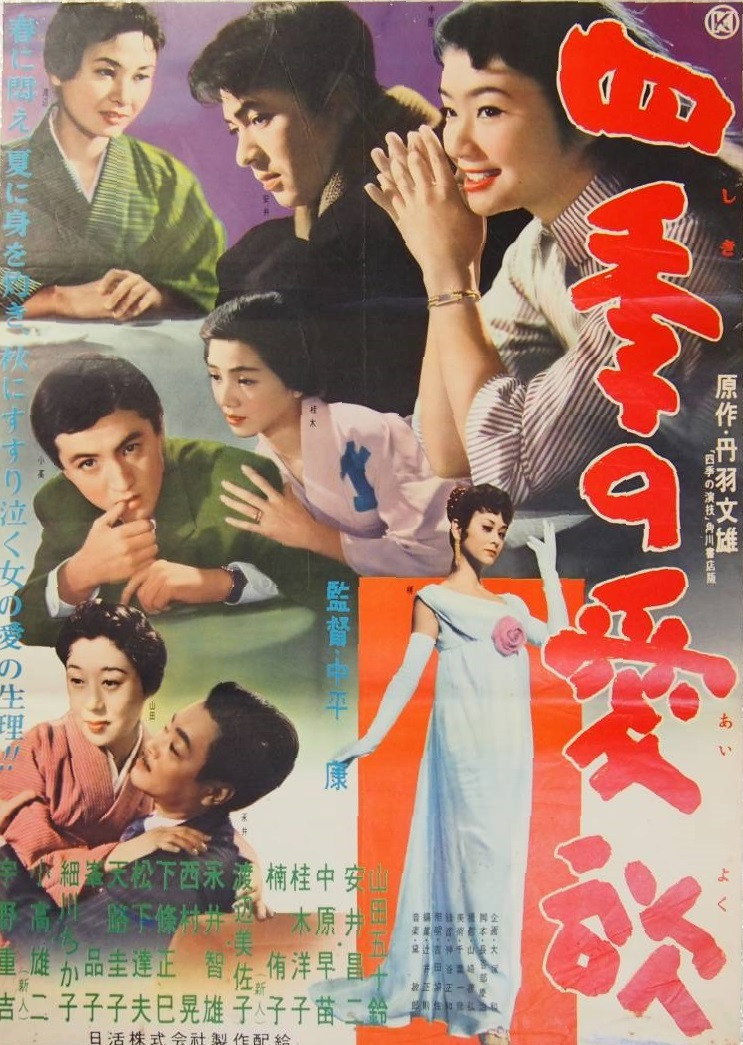
The Seasons of Love (1958) [Movie] TMDB IMDb
四季の愛欲
director: Kō Nakahira actor: Isuzu Yamada / Shōji Yasui
other title: 四季の愛欲
A family is slowly falling apart: the father is absent from the start, the mother a kept woman thanks to her children, the son is being cheated on by his wife, one daughter is forced to marry an older man against her will, while the other has retreated into smug moral superiority.
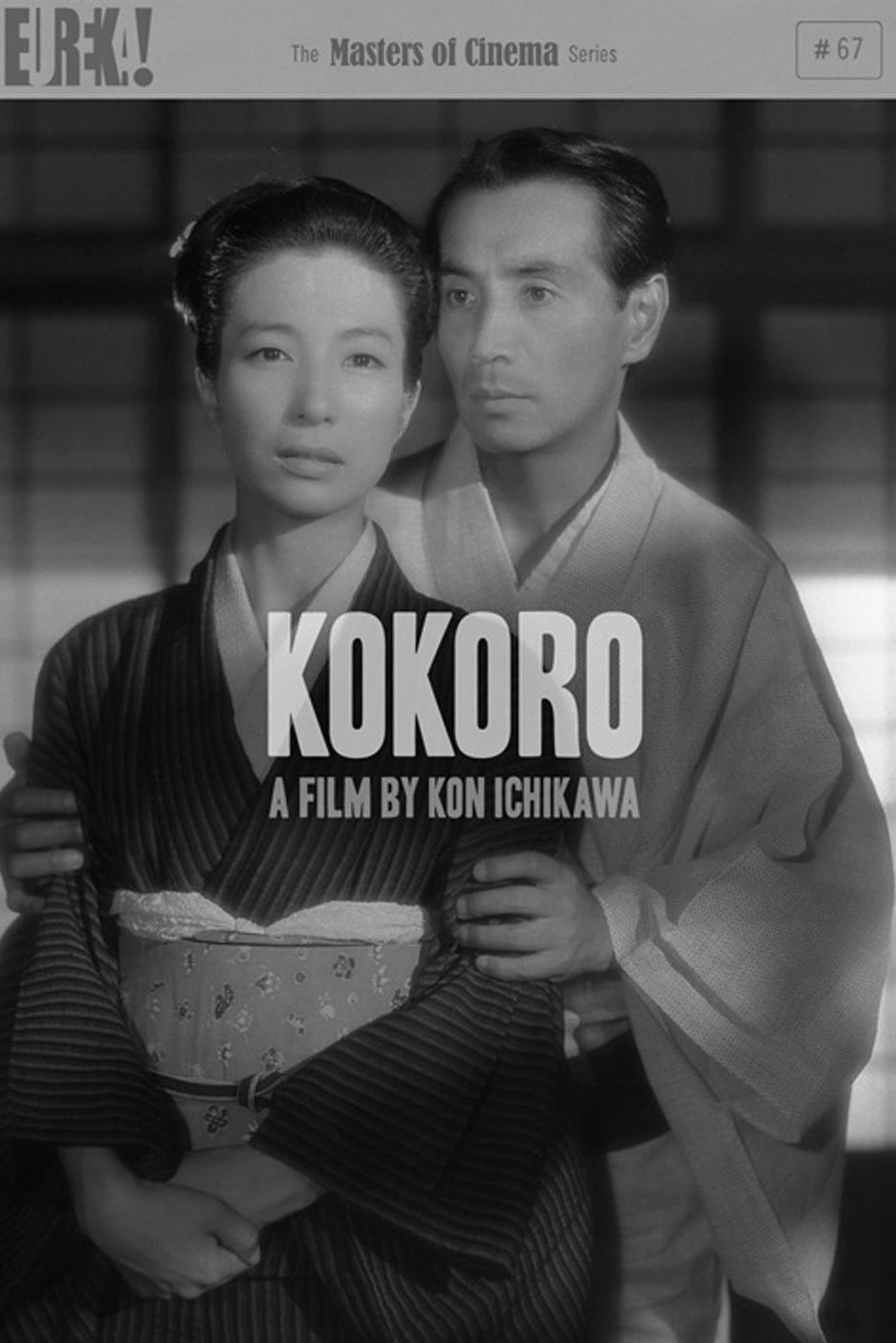
The Heart (1955) [Movie] IMDb TMDB
こころ
director: Kon Ichikawa actor: Masayuki Mori / Michiyo Aratama
other title: Il cuore / Le Pauvre cœur des hommes
In the dying months of the Meiji era, a sympathetic student befriends a married couple, but soon realizes they share a curiously strained relationship stemming from an unknown incident in their past.
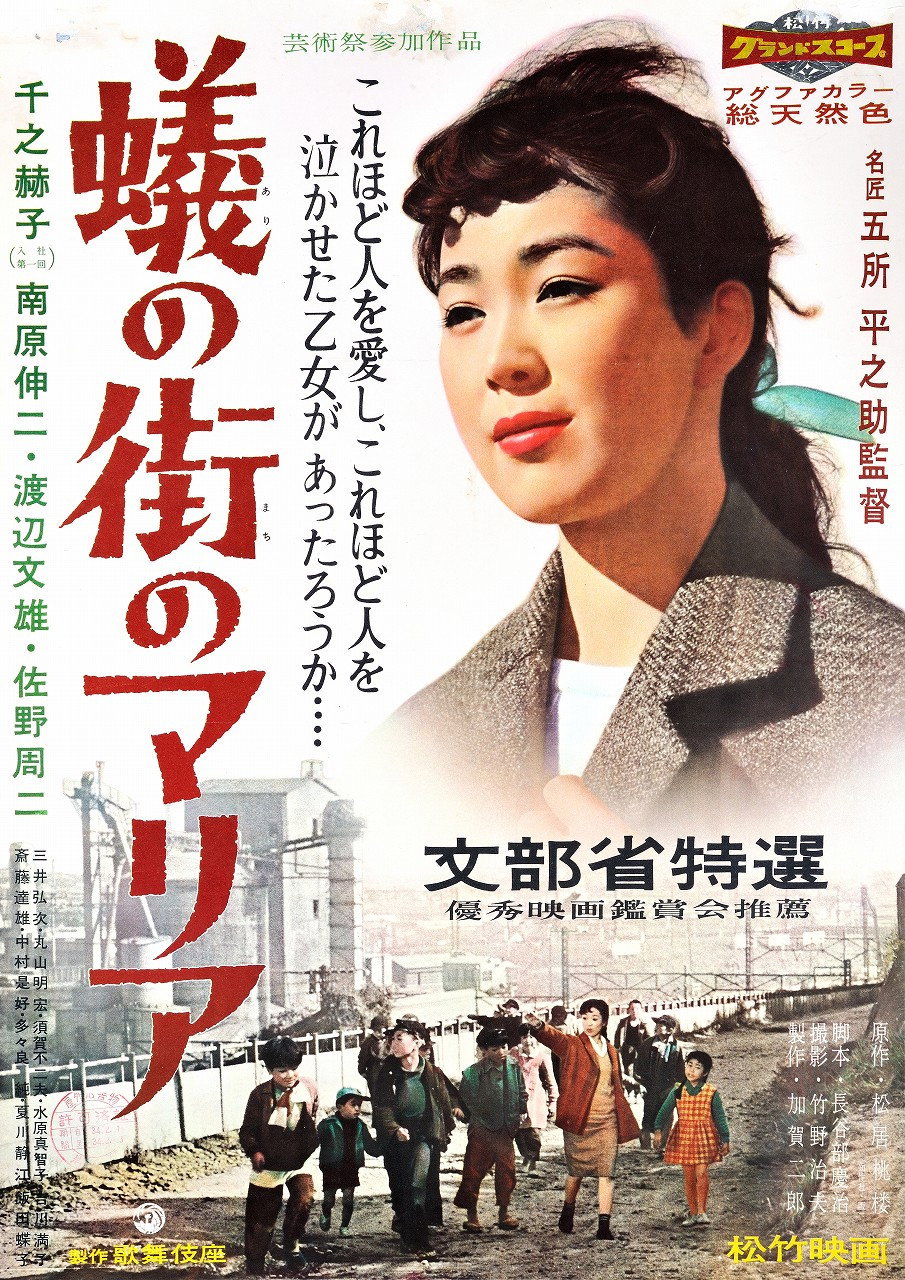
Maria of the Ant Village (1958) [Movie] IMDb TMDB
蟻の街のマリア
director: Heinosuke Gosho actor: Kakuko Chino / Kōji Nanbara
other title: 蟻の街のマリア
Alongside Tokyo's Sumida River is a ragpickers' settlement known as Ant Village. One night, a young Catholic girl, Satoko Kitahara, who has been baptized under the name of Maria, comes to offer her services. However, Ant Village is not just an ordinary vagrants' community but a fine autonomous organization, and as the municipal authorities have long been demanding that the people of Ant Village leave the site, Satoko is utilized to publicize the Village and win public sympathy. While being utilized in this manner, Satoko is nevertheless glad to be able to help the people of Ant Village, especially the children, and when the summer vacation comes she decides to take the children on an excursion to Hakone. To raise funds for this purpose she becomes a rag-picker herself.
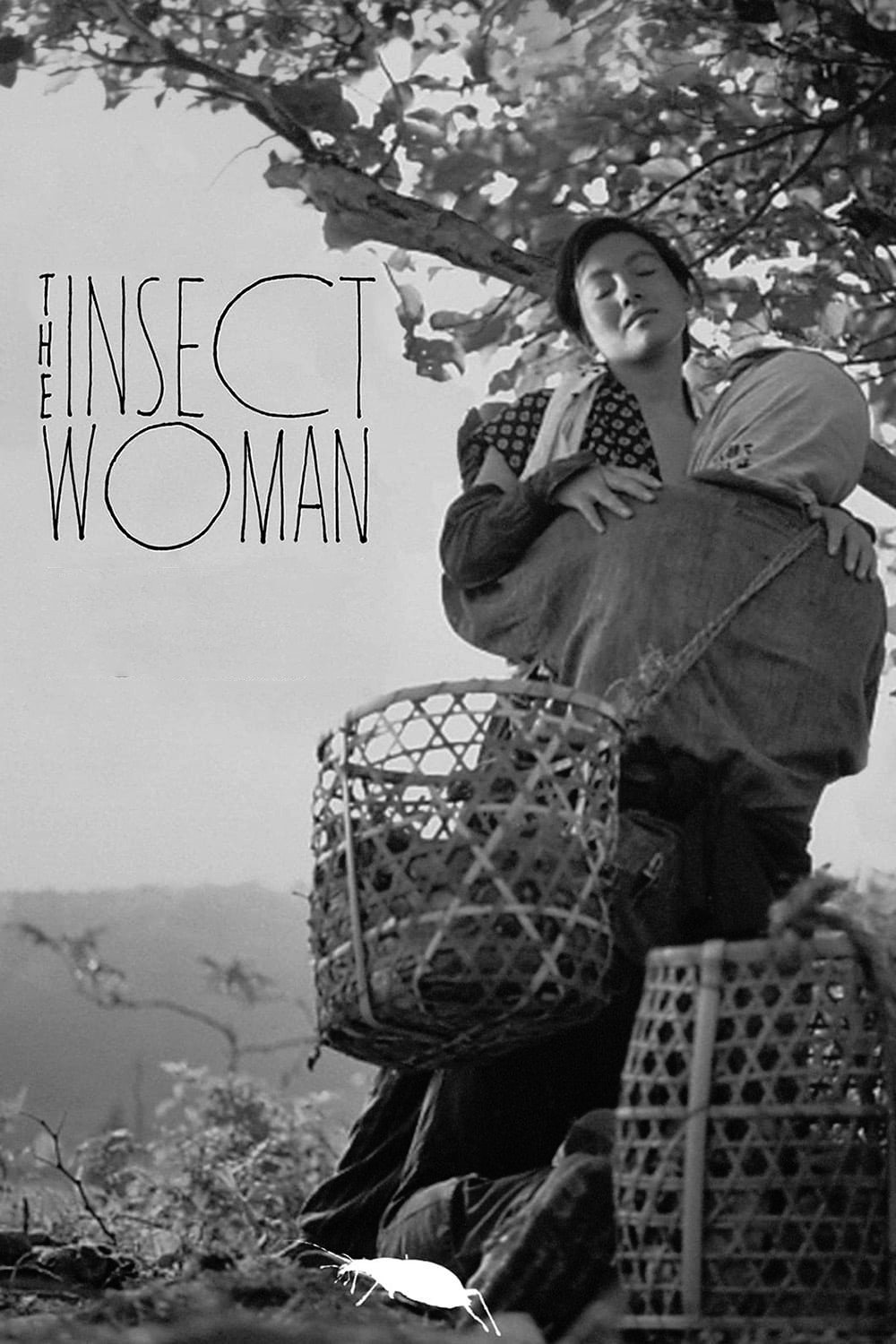
The Insect Woman (1963) [Movie] NeoDB IMDb Douban TMDB WikiData
にっぽん昆虫記
director: Shōhei Imamura actor: Tomio Aoki / Sachiko Hidari
other title: Cronache entomologiche del Giappone / A Mulher Inseto
A woman, Tome, is born to a lower class family in Japan in 1918. The title refers to an insect, repeating its mistakes, as in an infinite circle. Imamura, with this metaphor, introduces the life of Tome, who keeps trying to change her poor life.