Kokuten Kōdō — Actor (7)
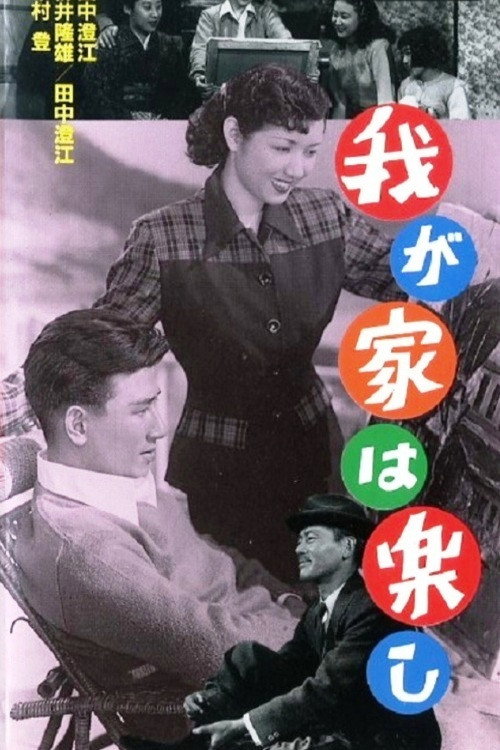
Home Sweet Home (1951) [Movie] TMDB IMDb
我が家は樂し
director: Noboru Nakamura actor: Chishū Ryū / Isuzu Yamada
other title: 我が家は樂し
The Ueki family may not be wealthy, but smiles are never in short supply. The father is awarded prize money for 25 years of service to his workplace, but has it stolen on the way home from the ceremony...
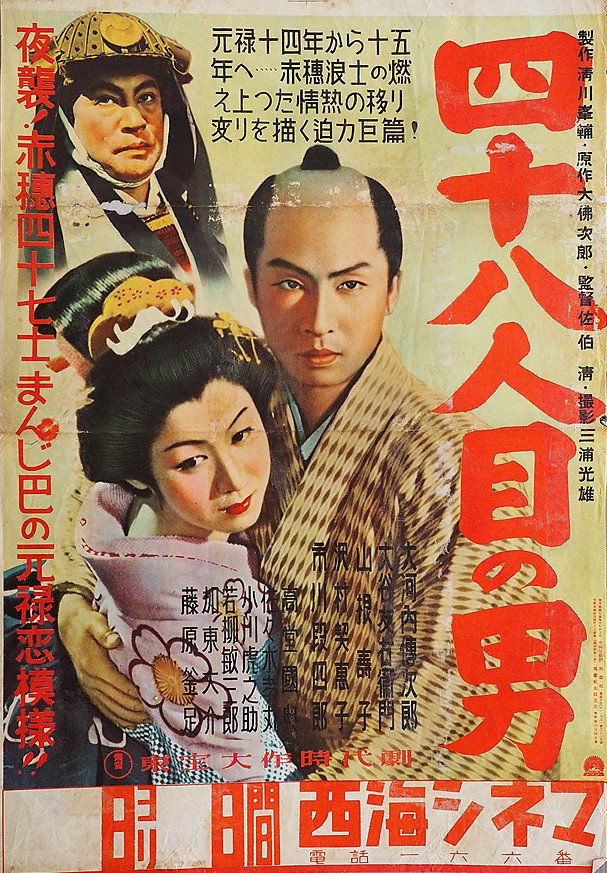
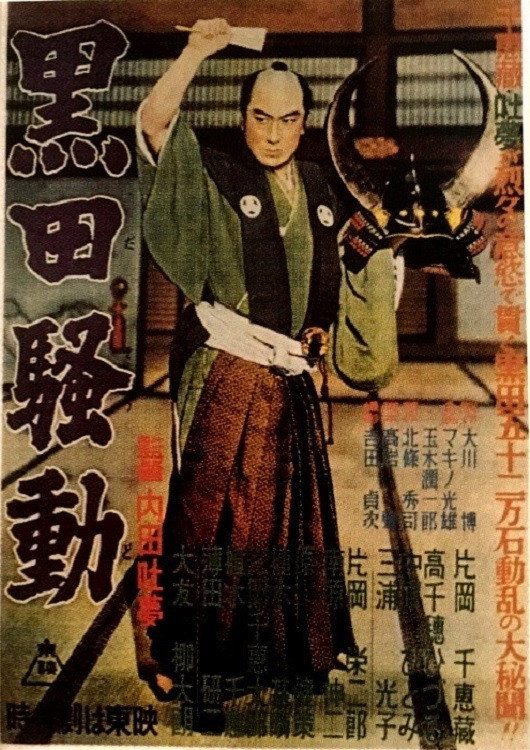
The Kuroda Affair (1956) [Movie] IMDb TMDB
黒田騒動
director: Tomu Uchida actor: Chiezo Kataoka / Ryutaro Otomo
other title: 黒田騒動
This adaptation of a Hideji Hojo novel, about the historical uprising of the Kuroda clan in 1633, is told through the eyes of retainer, Daizen. As his clan’s new leader, Tadayuki, becomes increasingly militant in his opposition to the Tokugawa shogunate, Daizen is forced to reconcile his loyalty to the clan with his loyalty to Tadayuki, who seems dead set on entangling the clan in destructive conflict. The Kuroda Affair’s mise-en-scène is said to have influenced future Toei director Eiichi Kudo. The film also features two of the greatest stars of Japanese period cinema, Chiezo Kataoka and Ryutaro Otomo.
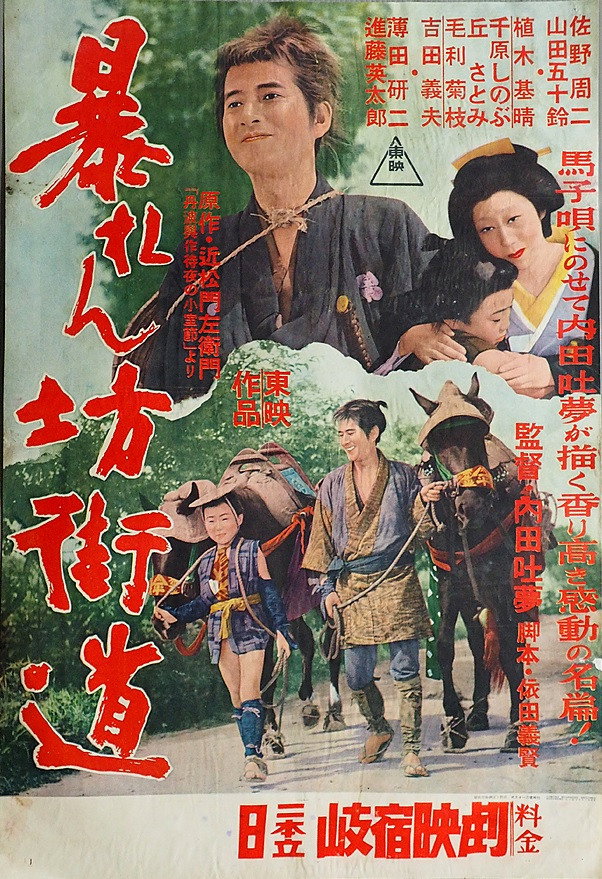
The Horse Boy (1957) [Movie] IMDb TMDB
暴れん坊街道
director: Tomu Uchida actor: Shūji Sano / Isuzu Yamada
other title: 暴れん坊街道
A humble page fathers a child by the daughter of a clan official and is banished. Years later, the child, now a stable boy, is reunited with his father, but feudal codes threaten their happiness. Uchida’s poignant masterpiece condemns the inflexible class system and launches an indictment of values that favor symbolic objects over human life. The film’s focus is on character rather than swordplay, and charged performances - especially child actor Motoharu Ueki - add to the emotional power.
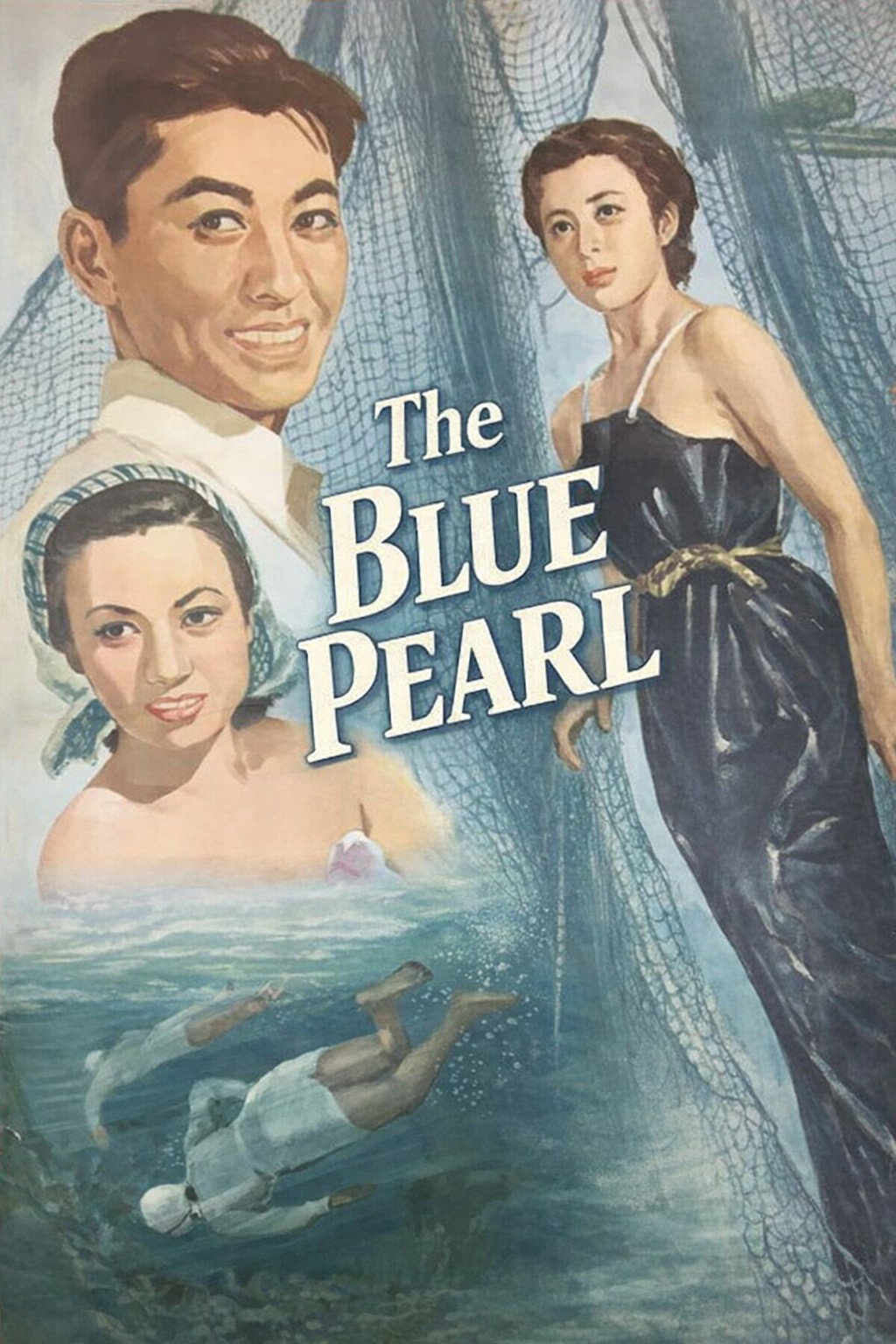
The Blue Pearl (1951) [Movie] IMDb TMDB
青い眞珠
director: Ishirō Honda actor: Ryō Ikebe / Yukiko Shimazaki
other title: 青い眞珠
The Blue Pearl depicts the interplay between a young man from Tokyo and two ama (pearl divers; literally “women of the sea”) in a superstitious coastal town. Though raised within the same tradition-bound crucible, the two women – Noe and Riu – are portrayed as diametric opposites; the former meek but affectionate, the latter strong-willed but jaded by a tryst with metropolitan life.