Hiroshi Inagaki — Director (31)
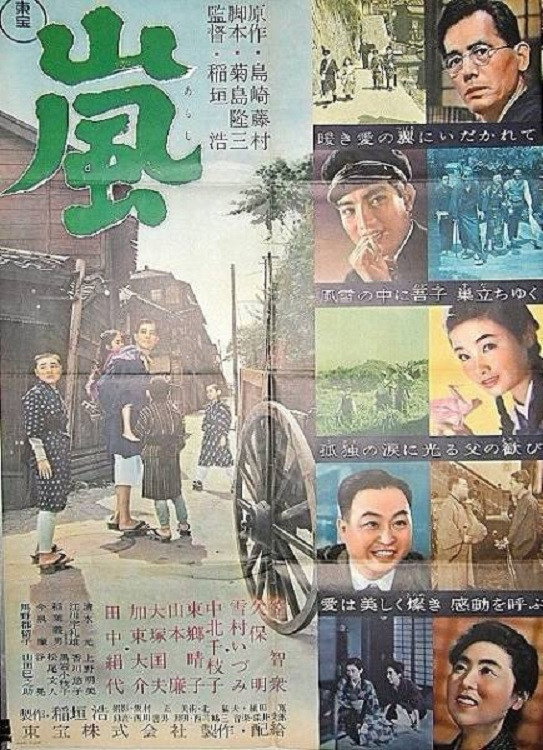
The Lone Journey (1955) [Movie] IMDb WikiData TMDB
旅路
director: Hiroshi Inagaki actor: Ryō Ikebe / Mariko Okada
other title: 旅路
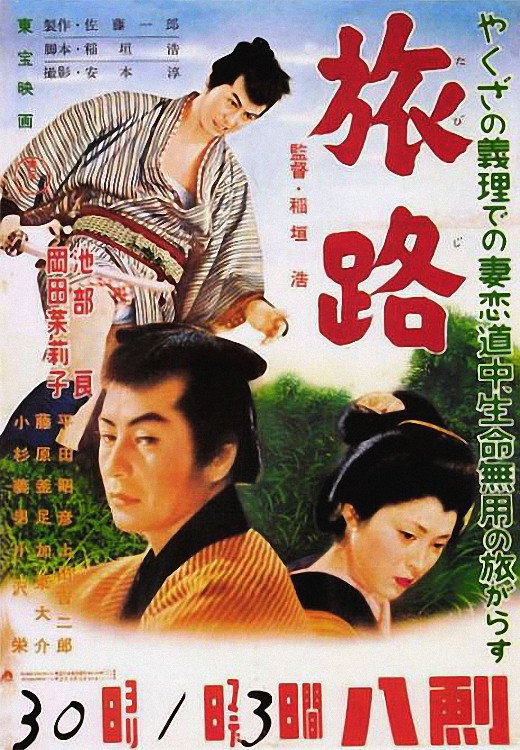
Forced on the road by yakuza obligations, a man sets out on a reckless journey to Tsumagoi. Movie posters for local cinemas were often displayed at sento (public baths) too. The handwritten text on the bottom here announces the film will play at Hassen for 3 days.
Life of a Country Doctor (1960) [Movie] IMDb TMDB
ふんどし医者
other title: ふんどし医者
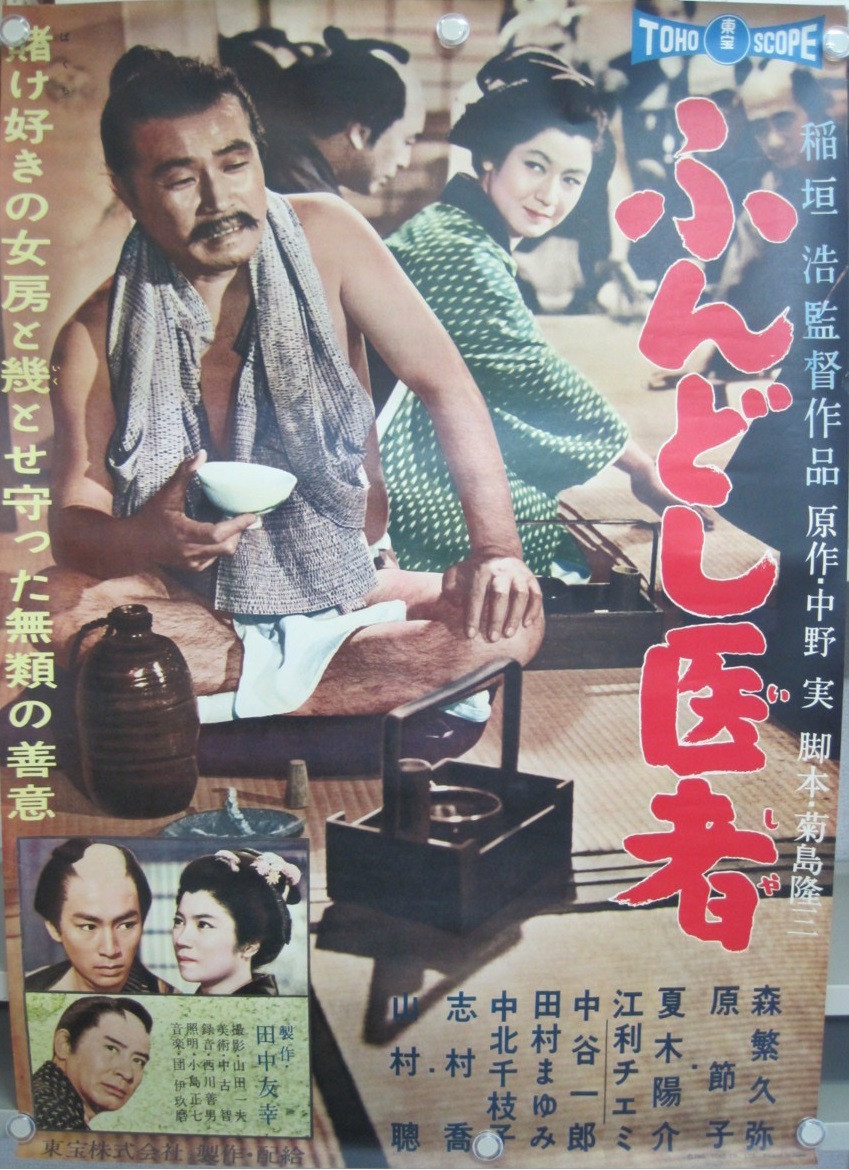
A skilled country doctor's talents are such that he can even perform operations as difficult and novel as removing a patient's kidney for the first time in Japan. Unfortunately for him, however, his wife's addiction to gambling is of such a magnitude that he is down to selling his underwear to make money. The image sticks and he becomes known as the 'underwear doctor.' On the other hand, his successful surgery's patient is so grateful he himself wants to become a physician.
In Search of Mother (1931) [Movie] IMDb TMDB
瞼の母
other title: 瞼の母
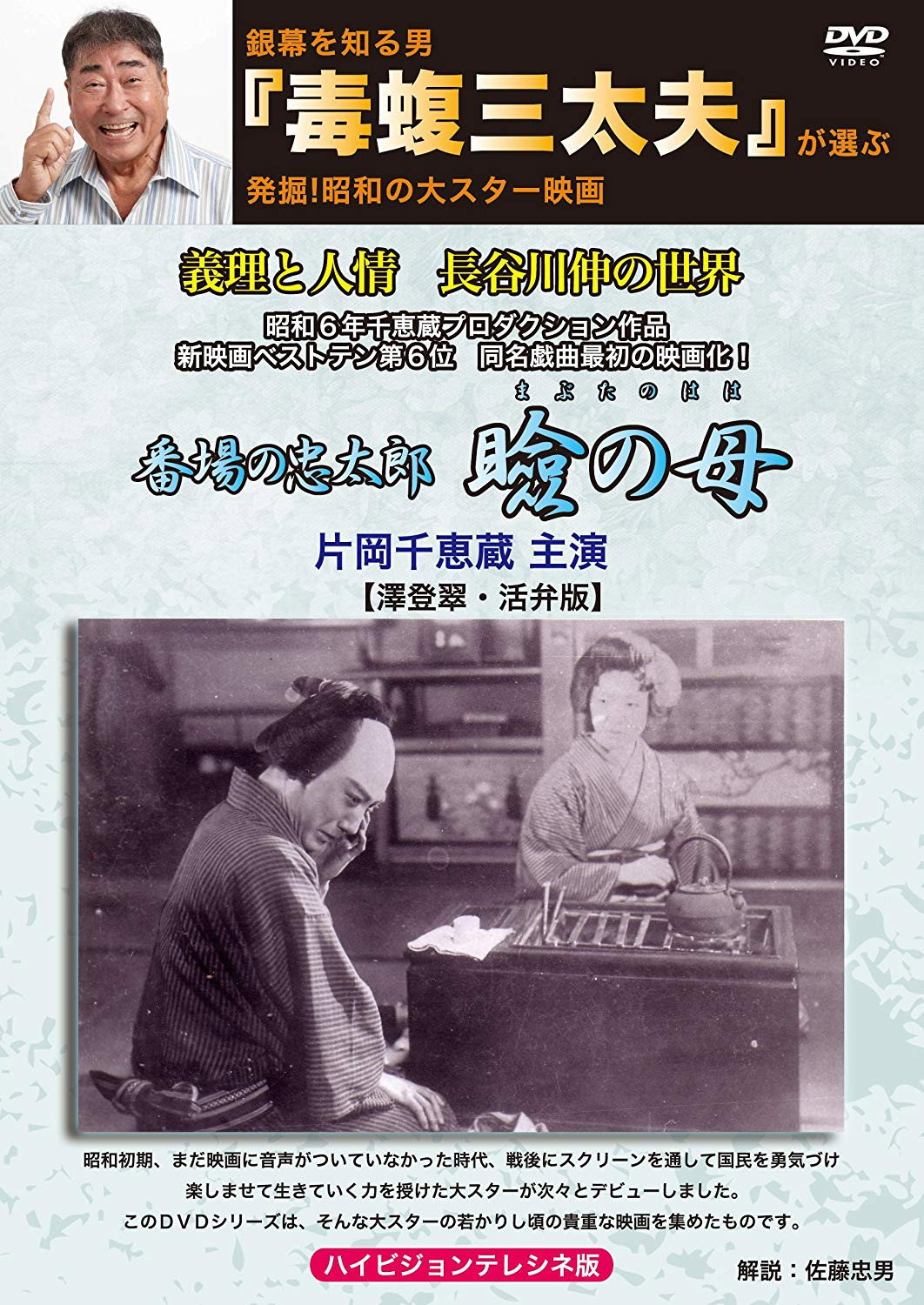
His mother abandoned him as a child, so he had no choice but to live outside society. Even so, he grows up determined to reunite with her. Worried that she might be living in misery, he saves his money to help, only to find that she has married into wealth and social position and has no intention of seeing her outcast Yakuza son...
The Wandering Gambler (1928) [Movie] IMDb TMDB
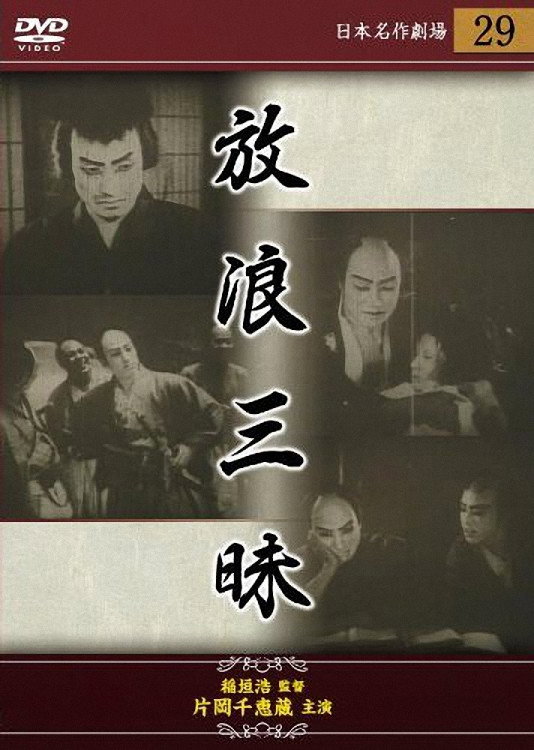
放浪三昧
other title: 放浪三昧
Date Mosui, a young samurai, one day gets a scolding from a nameless ronin that sets him thinking about what life is all about and his ways of living. His frined, Ando Kichinosuke, is alarmed at Mosui's despondency and invites him to his house as his little sister Tsuyu and he try to cheer him up.
Whirlwind (1964) [Movie] IMDb TMDB
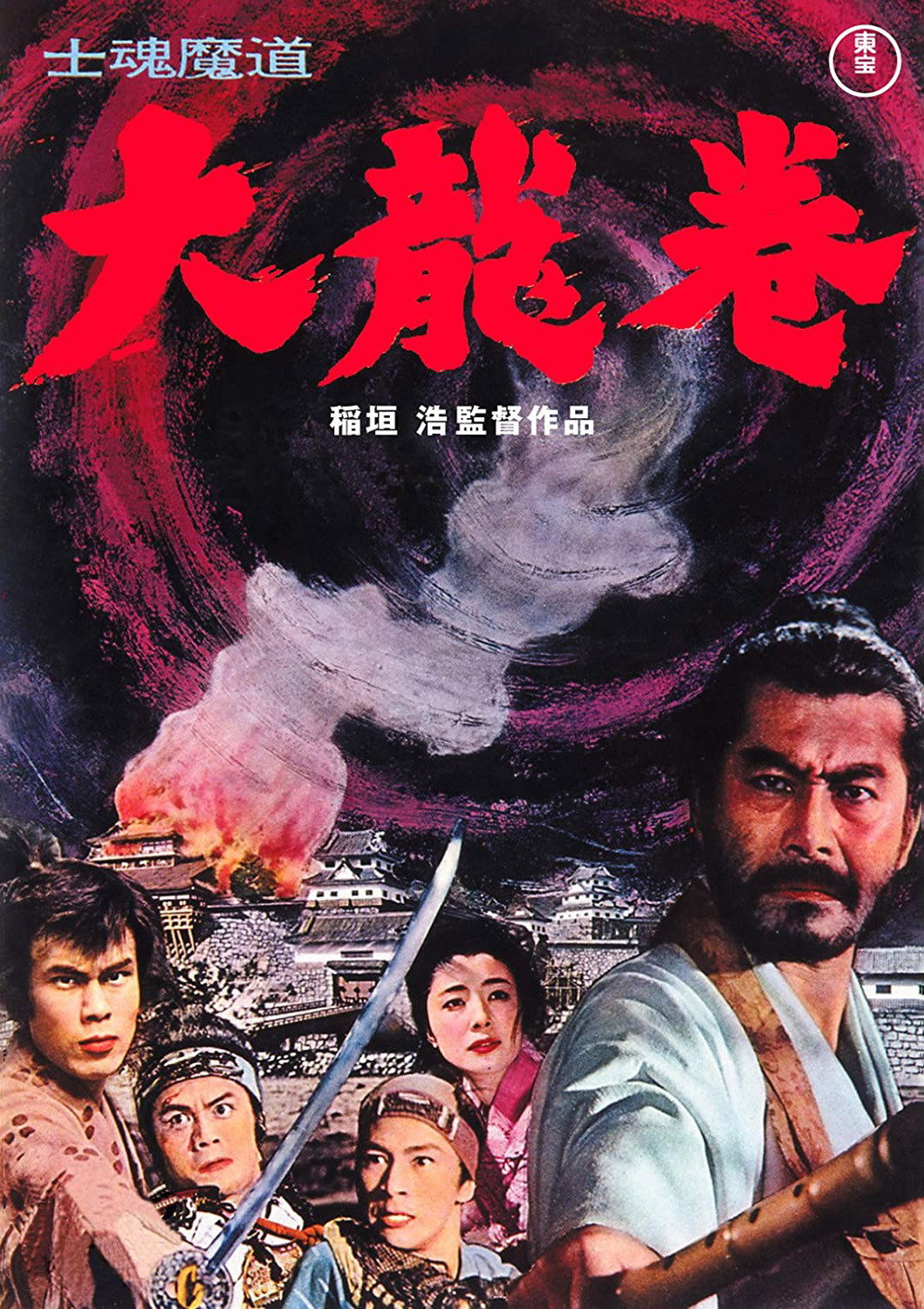
士魂魔道 大龍巻
other title: Tourbillon / 士魂魔道 大龍巻
Set at the end of the Siege of Osaka this film follows the exploits of several members of the defeated Toyotomi clan as they cope with the post battle chaos and the persecution of the Shogun's army. Five samurai decide on different fates when it becomes clear that their side is being destroyed. One wants to attack the enemy head on in a final honorable death. Another decides to commit hari-kiri but wants to find a glorious view to do it. His close friend, the "coward", just wants to run and give up the life of a samurai. The final two set their own castle on fire to garner favors from the enemy and therefore avert their own death during the massacre of all defeated soldiers as
Date Masamune the One-Eyed Dragon (1942) [Movie] IMDb TMDB
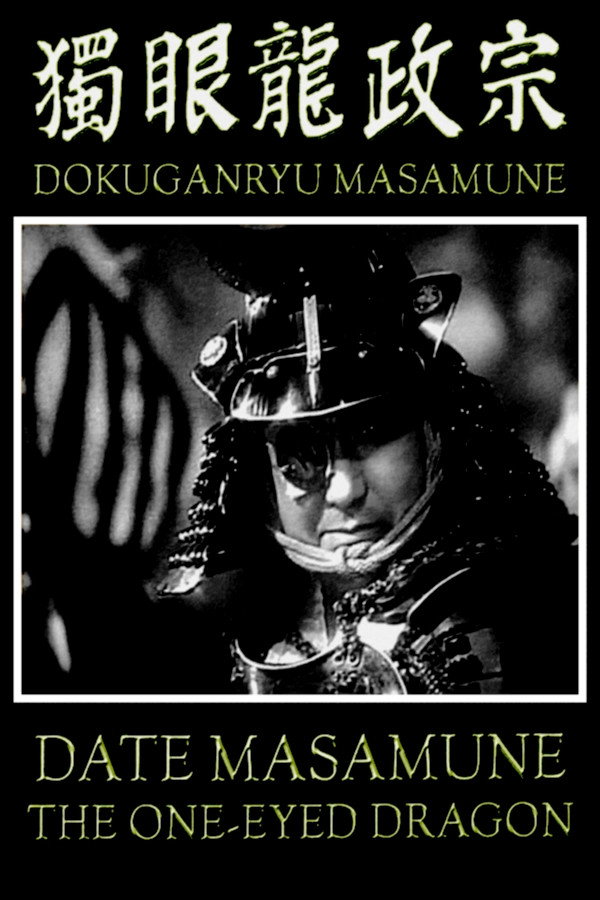
獨眼龍政宗
other title: 獨眼龍政宗
The life, adventures and exploits of warlord Date Masamune the One-eyed Dragon: his early youth as an aggressive warrior, the battles he won until subduing almost all his enemies, the lonely comprehension of knowing that he actually can not take over the whole country because he was born too late.
Young Swordsman (1963) [Movie] IMDb TMDB
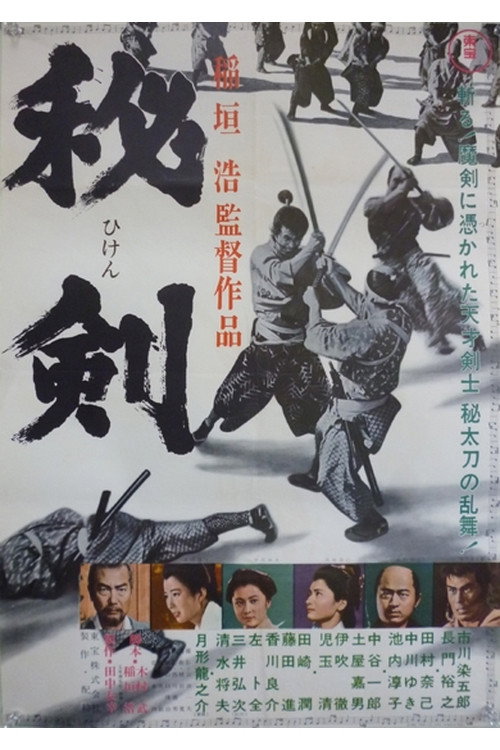
秘剣
other title: 秘剣
This Japanese action-adventure is set in the 17th century when all forms of swordplay were banned. One fighter, an excellent swordsman believes the law is unfair. His brother keeps his opinions about the law to himself. The swordsman vents his frustration by cutting off the thumbs of an enemy. The fighter is then banished. To live, he becomes a thief. To restore the family's lost honor, the other brother is forced to challenge the fighter to a duel.
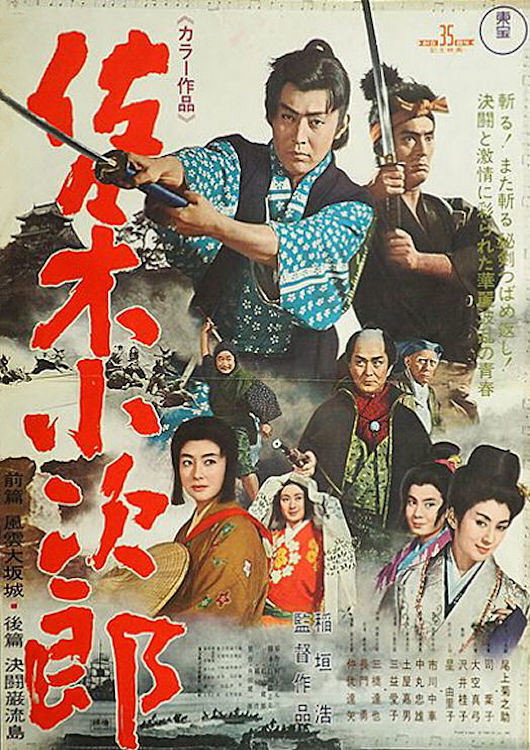
Kojiro (1967) [Movie] IMDb WikiData TMDB
佐々木小次郎
director: Hiroshi Inagaki actor: Yōko Tsukasa / Yuriko Hoshi
other title: 佐々木小次郎
Sasaki Kojiro tells the story of the genius who staked his love, glory, and life on a duel with the supreme master of the sword, Miyamoto Musashi (Tatsuya Nakadai). Oscar winning Hiroshi Inagaki directs this epic motion picture based on Genzo Murakami’s fascinating story. Despite his humble birth, the orphan Sasaki Kojiro (Onoe Kikunosuke) is determined to become the foremost swordsman in all Japan, a title that traditionally belongs to a nobleman. At fencing school, young Kojiro receives the contempt of his classmates because of his superior swordsmanship. When rumors of the upcoming civil war between Toyotomi and Tokugawa clans spread, Kojiro leaves the school and sets out, seizing every opportunity to realize his dream.
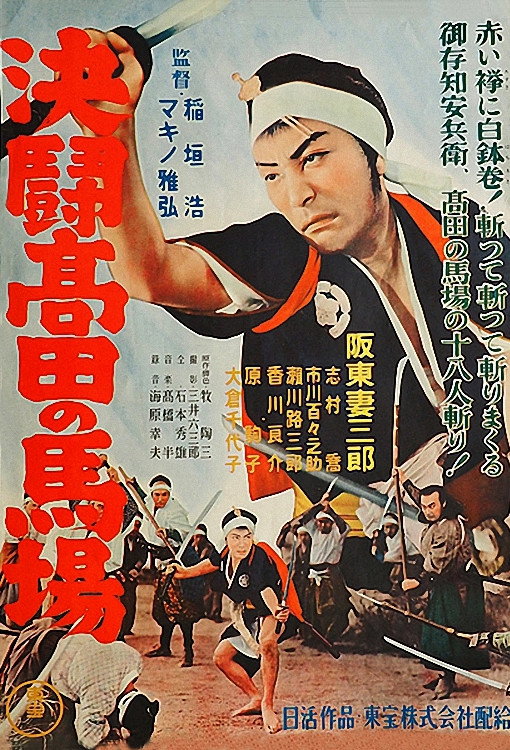
Blood Spilled at Takadanobaba (1937) [Movie] IMDb WikiData TMDB
血煙高田の馬場
other title: 血煙高田の馬場 / Chikemuri Takadanobaba
The tale of Nakayama Yasubei’s duel is famous, even if he in reality probably did not cut down 18 opponents. The story has been related in film, rakugo, kodan and on stage many times, in part because Nakayama later joined the famous 47 Ronin (Chushingura) as Horibe Yasubei. But Makino and Inagaki’s version gives no hint of this more serious future, playing up the thrills and the comedy with Bando’s bravura performance. The multiple pans of Yasubei running to the duel are an exemplar of the experimental flourishes of 1930s Japanese cinema and the final duel, performed virtually like a dance number, is a marker of Makino’s love of rhythm and one of the best sword fights in Japanese film history. The film was originally released under the title Chikemuri Takadanoba (Bloody Takadanobaba) with a length of 57 minutes, but suffered some cuts and a title change when it was re-released in 1952.
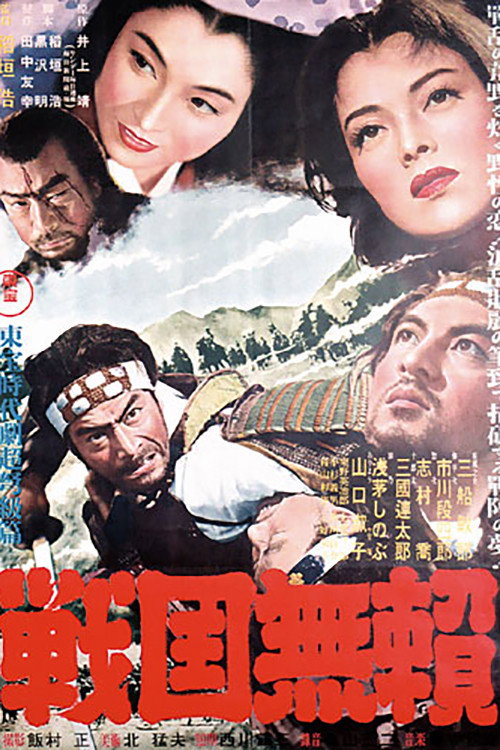
Sword for Hire (1952) [Movie] IMDb WikiData TMDB
戦国無頼
other title: Sengoku burai / 戦国無頼
Soldiers Hayate and Yaheiji secretly escape from their besieged castle. Hayate has left behind his lover, Kano. On his way, Hayate is wounded and cared for by O’Ryo, who falls in love with him. But when Hayate accidentally kills her caretaker, he flees, with O’Ryo in pursuit. Subsequently, Hayate's comrade Yaheiji falls in love with Oryo. Kano, the lover left behind by Hayate, believes him dead, and becomes involved with another soldier, Jurota. When Jurota defects to the opposing army, he takes Kano with him. A double set of love triangles has developed, wherein each man and each woman loves one and is loved by another. Finally only combat and self-sacrifice can untangle the weave.
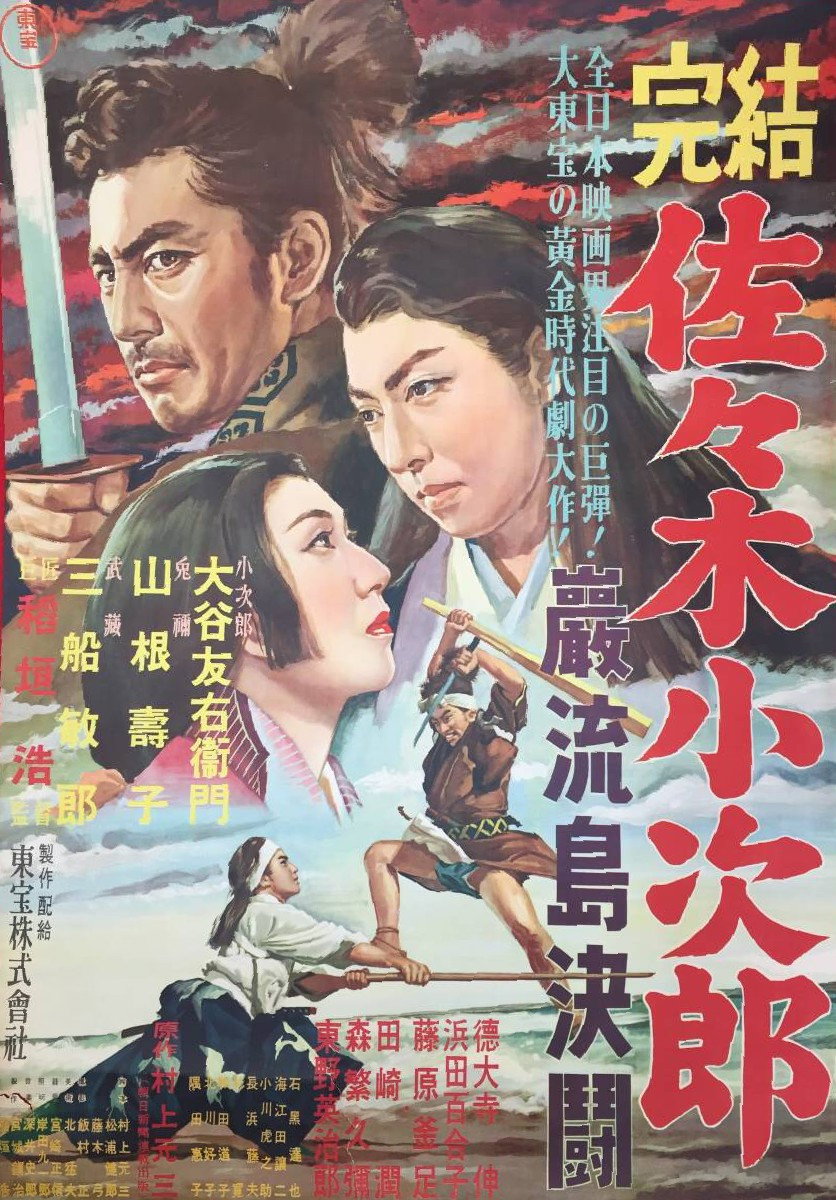
Sasaki Kojiro (1951) [Movie] TMDB IMDb
佐々木小次郎
other title: 佐々木小次郎
Director Hiroshi Inagaki's early version of the life and death of famed swordsman Sasaki Kojiro. Otani Tomoemon gives a brilliant performance as Sasaki Kojiro, who rises from humble beginnings to national fame, and a young Toshiro Mifune appears as the legendary master swordsman Miyamoto Musashi for the first time and essentially sets the standard for future portrayals.This masterpiece is based on the original story as written by noted author Murakami Genzo and is far superior to any other versions. Following Kojiro from his earliest days through his fateful meeting with Musashi, this movie is filled with exciting and dramatic moments culminating in the best version of the final duel ever seen on film.
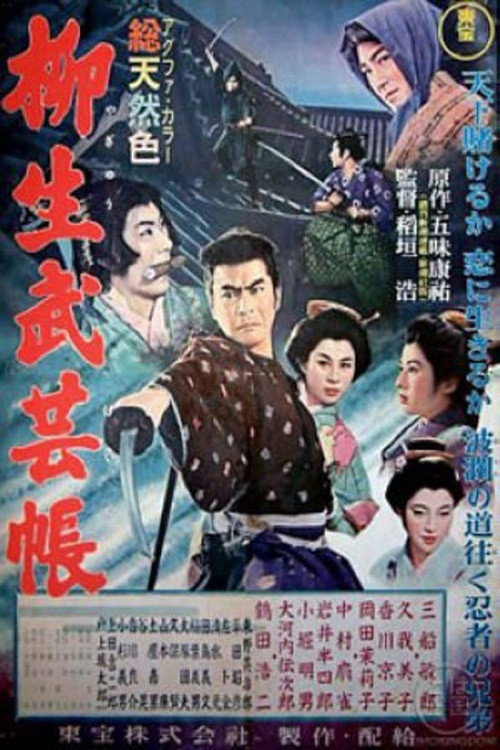
Yagyu Secret Scrolls (1957) [Movie] IMDb WikiData TMDB
柳生武芸帳
other title: Ninjitsu / 柳生武芸帳
In the Tokugawa Era, the clan of Lord Yagyu has hidden away three scrolls containing clan secrets which, if revealed, would cause revolution and disaster for the clan. The information is divided among the three scrolls, all of which must be possessed for the secrets to be understood. When Princess Yuhime steals the scrolls, Tasaburo, a samurai with magical powers, and his brother Senshiro are sent to retrieve them.