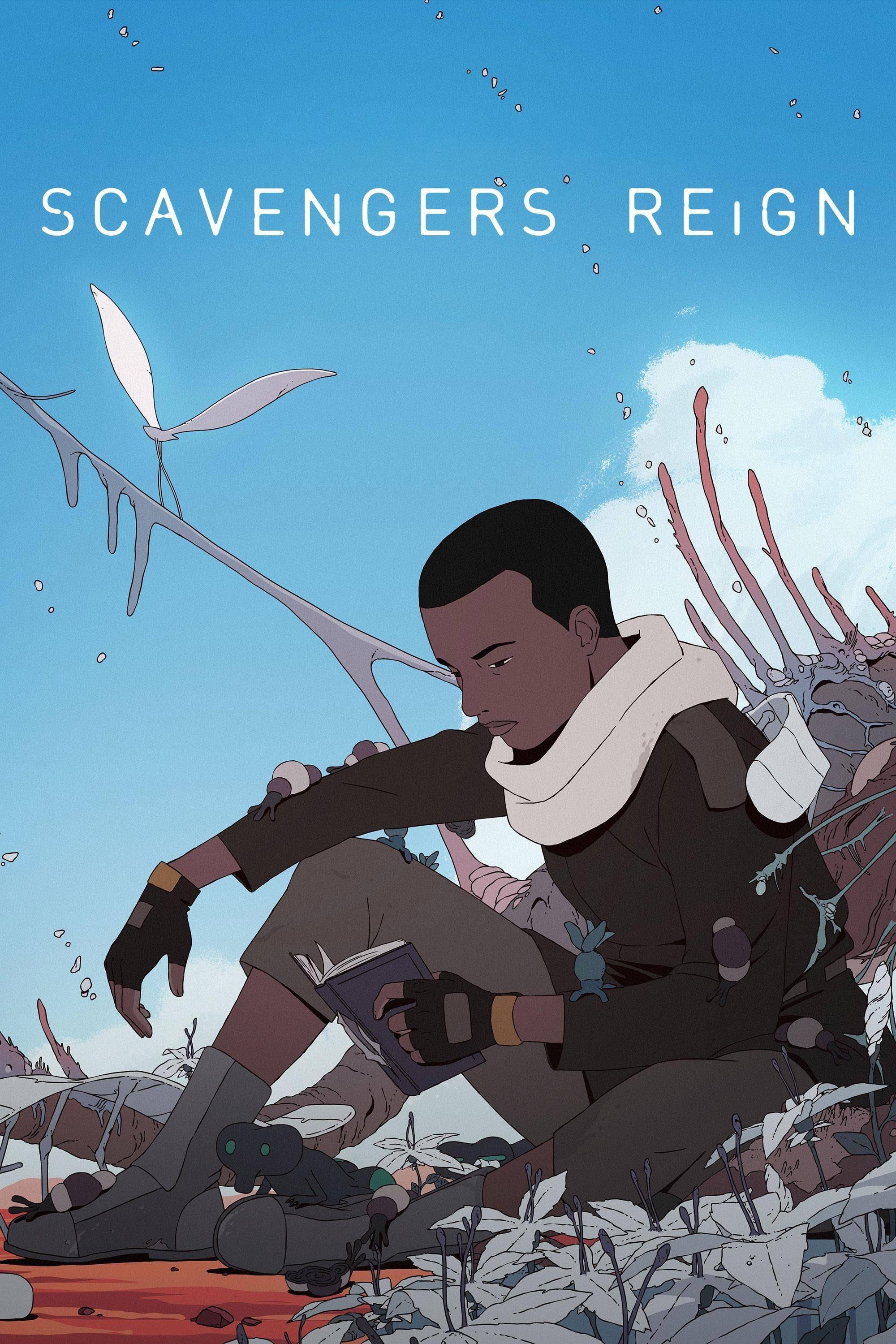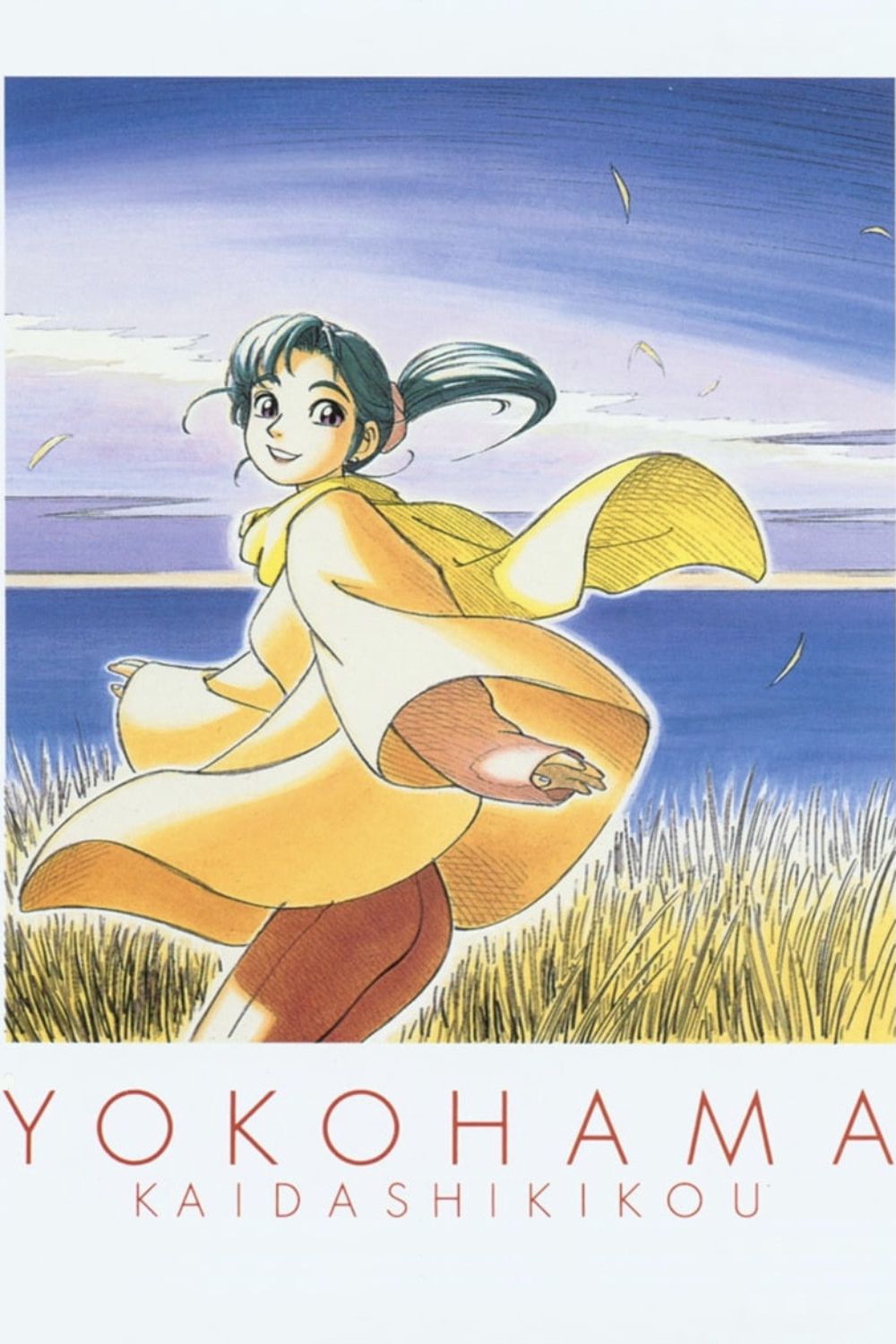


the post-post-apocalyptic
nimu @plushiedata
3 movies 1 tv show
thinking about this article.
“What cannot be mended must be transcended.” So wrote American author Ursula K. Le Guin in Tehanu (1990), a novel that begins with a deed of unspeakable trauma and ends with an act of literal transmutation. But what lies beyond the end of the world? Casting off the trappings accreted by the post-apocalyptic genre emerge stories of the post-post-apocalyptic. Embracing new tones and structures, the post-post-apocalyptic speaks after sufficient time has elapsed since collapse, where mere survival or disaster management is no longer the all-consuming priority. Recovery and healing of nature, culture, and individuals is occurring in earnest, as new systems, norms, and practices take root. In the post-post-apocalyptic, some severance exists to separate past calamity from present instance, making direct extrapolation from “then to now” neither instructive nor fruitful. While there may be traces from the previous world, the narrative emphasis lies not in harkening back, but rather embodying the contingencies of the present out of which the novel and unexpected can arise. Offering distance and difference in vantage, the post-post-apocalyptic allows the imaginary lens to recenter its focus on a freed moment in time, along with its sovereign, mutable future.